

CoQ10: Should you take this popular supplement if you're on a statin?

Oat vs. dairy milk: Nutrition, benefits, and downsides

Microplastics: A hidden health threat?

Healing after food poisoning

What is tempeh? Benefits, nutrition, and how to use it

Light exposure at night may raise risk for heart disease

Whole grains may improve several heart risk factors at once

A lumbar belt may help ease low back pain

Children of centenarians may stay healthier and live longer too, study finds

Signs of pneumonia: Sometimes vague and unexpected
Healthy aging and longevity Archive
Articles

Sound amplification device may be a cheaper hearing aid choice
In the journals
Hearing aids can cost thousands of dollars, but a study in the July 4, 2017, Journal of the American Medical Association found that less expensive over-the-counter personal sound amplification products (PSAPs) might be a good alternative for some people.
PSAPs resemble hearing aids and help amplify sounds the same way, but are not regulated by the FDA and thus cannot be marketed as a correction or treatment for hearing loss. They often are advertised as being helpful in noisy places like crowds and meetings, and are sold online for about $200 to $400.
Is seltzer a better option than soda?
Ask the doctors
Q. I recently decided to give up soda and switched to flavored seltzer water. Is this a better choice for my health?
A. First, congratulations on giving up soda. Sugary drinks like soda have been linked to an increased risk of type 2 diabetes, heart problems, and other chronic health conditions, so that is definitely a win for your health. Switching to seltzer is a much better choice, provided you choose a brand that is sugar- and calorie-free.

10 tips to get you exercising regularly
Finding motivation to move is easier with these simple strategies.
Image: © moodboard/Thinkstock
If the treadmill in your bedroom looks more like a coat rack than a piece of workout equipment, you're not alone. Many women struggle to commit to and keep up with a regular exercise program.
Often, they've got legitimate reasons for skipping those workouts.

Working out in the office doesn’t lower productivity
Research we're watching
Image: © AndreyPopov/Thinkstock
Some women squeeze in exercise by using active workstations, which enable them to move more during the workday. But you may wonder: will this type of multitasking make you less productive on the job?
A study in the May issue of Medicine & Science in Sports & Exercise says it doesn't appear to. The study authors tested the cognitive performance of 58 workers — 32 young and 26 middle-aged — who were asked to walk for 50 minutes at a time on an active workstation treadmill. The study authors concluded the walking didn't hinder the workers' ability to effectively complete mental tasks, aside from a slight dip in planning skills during the workout. And they were able to log an average of 4,500 more steps per day during their sessions.


Microwaving food in plastic: Dangerous or not?
Let's cover the original misinformation first: The earliest missives warned that microwaved plastic releases cancer-causing chemicals called dioxins into food. The problem with that warning is that plastics don't contain dioxins. They are created when garbage, plastics, metals, wood, and other materials are burned. As long as you don't burn your food in a microwave, you aren't exposing yourself to dioxins.
Migrating chemicals
There's no single substance called "plastic." That term covers many materials made from an array of organic and inorganic compounds. Substances are often added to plastic to help shape or stabilize it. Two of these plasticizers are

Can getting quality sleep help prevent Alzheimer’s disease?
Sleep gives the brain the opportunity to rid itself of proteins believed to contribute to the development of Alzheimer’s disease, and now research is showing an association between poor sleep and the accumulation of those proteins.
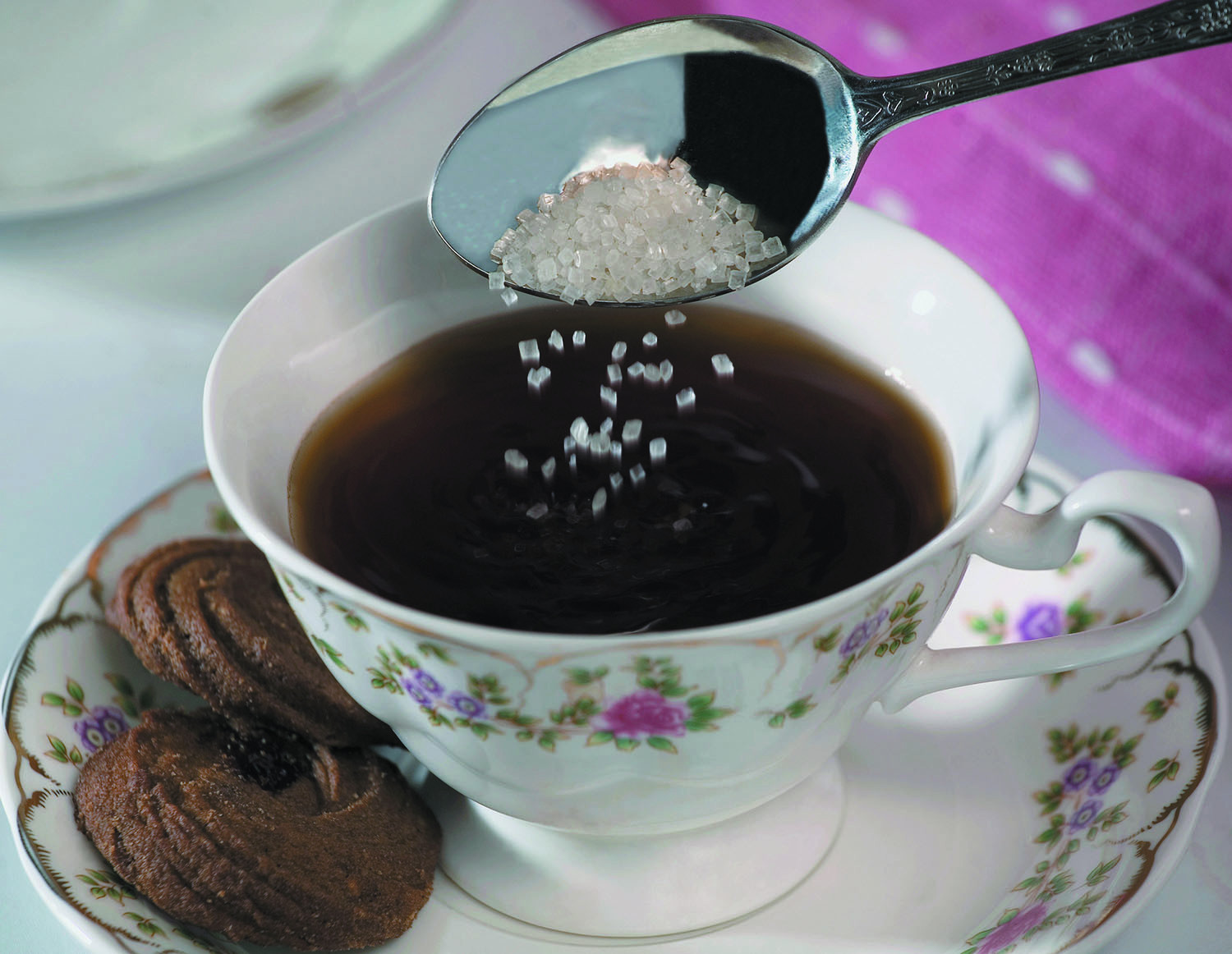
Which is better, high-fructose corn syrup or table sugar?
Ask the doctors
Image: © Hemant Mehta/Thinkstock
Q. I've been trying to avoid high-fructose corn syrup. Is table sugar a healthier alternative?
A. Wouldn't it be nice if there were a healthy sugar that you could eat guilt-free? Unfortunately, when it comes to high-fructose corn syrup and table sugar, there really isn't a "good" option. High-fructose corn syrup and table sugar are actually pretty similar from a chemical standpoint.

Putting off retirement may benefit your brain, health, and longevity
The purpose and engagement of a job you love can keep you healthy and connected.
Image: © monkeybusinessimages/Thinkstock
While many women dream of kicking back and relaxing into retirement, there's increasing evidence that in some cases, it's better for your brain and your health to keep your nose to the grindstone a little longer.
"The research to date is mixed, but it tends toward the positive — that is, for many people, there are health benefits to working longer," says Dr. Nicole Maestas, associate professor of health care policy at Harvard Medical School.
CoQ10: Should you take this popular supplement if you're on a statin?
Oat vs. dairy milk: Nutrition, benefits, and downsides
Microplastics: A hidden health threat?
Healing after food poisoning
What is tempeh? Benefits, nutrition, and how to use it
Light exposure at night may raise risk for heart disease
Whole grains may improve several heart risk factors at once
A lumbar belt may help ease low back pain
Children of centenarians may stay healthier and live longer too, study finds
Signs of pneumonia: Sometimes vague and unexpected
Free Healthbeat Signup
Get the latest in health news delivered to your inbox!
Sign Up
