

CoQ10: Should you take this popular supplement if you're on a statin?

Oat vs. dairy milk: Nutrition, benefits, and downsides

Microplastics: A hidden health threat?

Healing after food poisoning

What is tempeh? Benefits, nutrition, and how to use it

Light exposure at night may raise risk for heart disease

Whole grains may improve several heart risk factors at once

A lumbar belt may help ease low back pain

Children of centenarians may stay healthier and live longer too, study finds

Signs of pneumonia: Sometimes vague and unexpected
Healthy aging and longevity Archive
Articles

A good night’s sleep: Advice to take to heart
Irregular or insufficient sleep increases your risk of cardiovascular disease.
Image: © Photodjo/Thinkstock
If you're one of the many people who toss and turn nightly, you already know that a bout of sleeplessness can hamper your productivity and sap your quality of life. But the ramifications of poor sleep extend far beyond a cranky mood. Research shows that an on-going sleep deficit can ultimately endanger your heart health.
Hazards of poor sleep
Tens of millions of Americans experience a chronic lack of sleep. While some people shortcut the customary eight hours of snooze time in favor of work or social pursuits, many others suffer from insomnia or another disorder that curtails a healthy slumber.

How memory and thinking ability change with age
Scientists used to think that brain connections developed at a rapid pace in the first few years of life, until you reached your mental peak in your early 20s. Your cognitive abilities would level off at around middle age, and then start to gradually decline. We now know this is not true. Instead, scientists now see the brain as continuously changing and developing across the entire life span. There is no period in life when the brain and its functions just hold steady. Some cognitive functions become weaker with age, while others actually improve.
Some brain areas, including the hippocampus, shrink in size. The myelin sheath that surrounds and protects nerve fibers wears down, which can slow the speed of communication between neurons. Some of the receptors on the surface of neurons that enable them to communicate with one another may not function as well as they once did. These changes can affect your ability to encode new information into your memory and retrieve information that's already in storage.



Setting the stage for sounder sleep
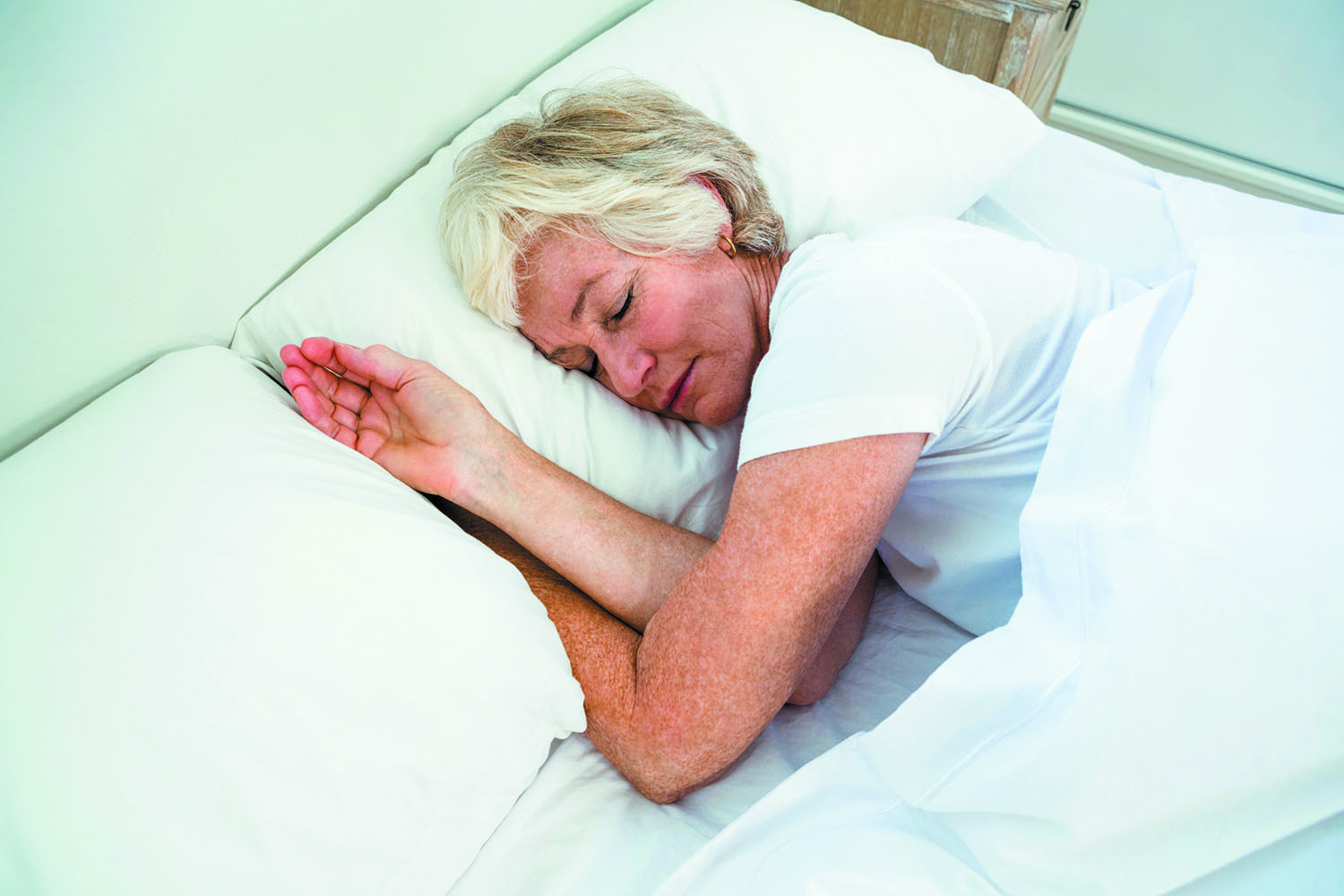
Sleeping less doesn't have to be a consequence of growing older. A few adjustments to your sleep habits can help you sleep longer and better.
Image: © Wavebreakmedia/Thinkstock
If worries that you're not getting enough sleep are keeping you up at night, it's little wonder. A steady stream of reports has linked inadequate sleep to cognitive decline. Studies have also shown that people with sleep debts accrued by consecutive nights of sleeping too little are at higher risk of cardiovascular disease, depression, diabetes, high blood pressure, and weight gain.
Sleep is essential to good health, and not just because it knits up the raveled sleeve of care. It restores physical and mental performance, immune function, and metabolism. But how much sleep is necessary for those functions? It varies from person to person, says Dr. Elizabeth Klerman, a physiologist and physician at Harvard-affiliated Brigham and Women's Hospital who studies sleep.

Take a stand against sitting
Studies have linked long periods of sitting with an increase in heart disease and early death.
Image: © monkeybusinessimages/Thinkstock
Odds are you are sitting while you read this. In fact, more than half of an average person's waking hours are spent sitting, according to a study in the Jan. 19, 2015, Annals of Internal Medicine.
All that sitting can cause great damage to your health. "The health risks tied to sitting may not be completely related to the act of sitting itself, but rather that sitting keeps you from doing healthier activity," says Dr. I-Min Lee of Harvard's T.H. Chan School of Public Health.

CoQ10: Should you take this popular supplement if you're on a statin?
Oat vs. dairy milk: Nutrition, benefits, and downsides
Microplastics: A hidden health threat?
Healing after food poisoning
What is tempeh? Benefits, nutrition, and how to use it
Light exposure at night may raise risk for heart disease
Whole grains may improve several heart risk factors at once
A lumbar belt may help ease low back pain
Children of centenarians may stay healthier and live longer too, study finds
Signs of pneumonia: Sometimes vague and unexpected
Free Healthbeat Signup
Get the latest in health news delivered to your inbox!
Sign Up
