

CoQ10: Should you take this popular supplement if you're on a statin?

Oat vs. dairy milk: Nutrition, benefits, and downsides

Microplastics: A hidden health threat?

Healing after food poisoning

What is tempeh? Benefits, nutrition, and how to use it

Light exposure at night may raise risk for heart disease

Whole grains may improve several heart risk factors at once

A lumbar belt may help ease low back pain

Children of centenarians may stay healthier and live longer too, study finds

Signs of pneumonia: Sometimes vague and unexpected
Healthy aging and longevity Archive
Articles

Sodium in groceries on the decline
News briefs
The amount of sodium we're bringing home from the grocery store has dropped significantly in the past two decades, according to a study published online June 5, 2017, by JAMA Internal Medicine. Excess sodium intake is associated with a higher risk of heart disease. Researchers analyzed the sodium in about 1.5 million products purchased by more than 172,000 households in the United States from 2000 to 2014. Sodium in packaged foods brought into these homes declined from about 2,300 milligrams (mg) per person per day to about 1,900 mg per person per day. The declines were seen in all kinds of products — especially those notoriously high in sodium like condiments, sauces, dips, and salty snacks. The study can't tell us if the amount of sodium people consume is also declining. But it's a good reminder to keep an eye on your intake, since a salty diet can lead to high blood pressure, a major risk factor for heart disease and stroke. The American Heart Association says an ideal limit is 1,500 mg of sodium per day for most adults. That's hard to achieve, but being a savvy shopper for lower-sodium foods can help.
Image: © Lizalica/Thinkstock

More over-the-counter hearing aids on the way
News briefs
As we reported in March, the FDA has been debating whether to create a class of over-the-counter (OTC) hearing aids to inspire new products costing hundreds, not thousands, of dollars. Congress and the president pushed the effort forward over the summer, approving the Over-the-Counter Hearing Aid Act in August. It gives the FDA three years to establish the OTC hearing aid category and develop safety and labeling rules for the devices. Last December, the FDA said it would no longer require adults to receive a medical evaluation or sign a waiver before purchasing most hearing aids. So now people with mild to moderate hearing loss don't need a doctor's prescription to get an OTC hearing aid, and don't need to see an audiologist for a fitting. OTC hearing devices aren't the same as prescription hearing aids, however. They're amplification devices, and they may not be right for your particular type of hearing problem. Without an evaluation by a doctor, an underlying condition may go undiagnosed. Discuss the risks and benefits with your primary care doctor.

Older adults are drinking more alcohol
News briefs
Heavy alcohol drinking, abuse, or dependence among older adults is rising at unprecedented rates, suggests a study published online Aug. 9, 2017, by JAMA Psychiatry. The authors analyzed information about alcohol use among 43,000 adults ages 18 or older during 2001–02 and then compared it with information about alcohol use among 36,000 adults during 2012–13. In virtually all age, race, and socioeconomic groups, high-risk drinking and alcohol abuse and dependence increased over the decade. Among all age groups, the increase tended to be greater in people who were less affluent, less well educated, and members of racial minority groups. Although during both time periods adults ages 65 and older had lower rates than younger people, the increase in high-risk drinking (65%) and alcohol abuse (107%) was greatest in this older age group.
The study authors emphasize that older adults are at higher risk for disability, illness, and death from many alcohol-related chronic diseases, falls, and injuries. Your best bet: if you drink alcohol, limit it to one drink per day if you're a woman, and one or two if you're a man.

The pursuit of happiness
Research has associated increased happiness with longevity and a lower risk of illness. But can you make yourself happier?
What is the secret to happiness? The answer may be simpler than you think. Most of our ability to be happy is based on genes — some people are just naturally happier than others. But research suggests that 40% of people's happiness comes from the choices they make.
"The idea that you can't be happier is false," says Dr. Robert Waldinger, director of the longest-running study on happiness, the Harvard Study on Adult Development. "We now know a great deal about what does and does not contribute to wellbeing and happiness."
Why do I bruise more easily as I age?
On call
Q. I seem to bruise more frequently as I get older. Even when I have not bumped into anything, I see bruises on my arms. What causes that, and should I be worried?
A. Easy bruising is a common issue for many older men. That's because of a combination of less subcutaneous (fat) tissue and more fragile blood vessels.
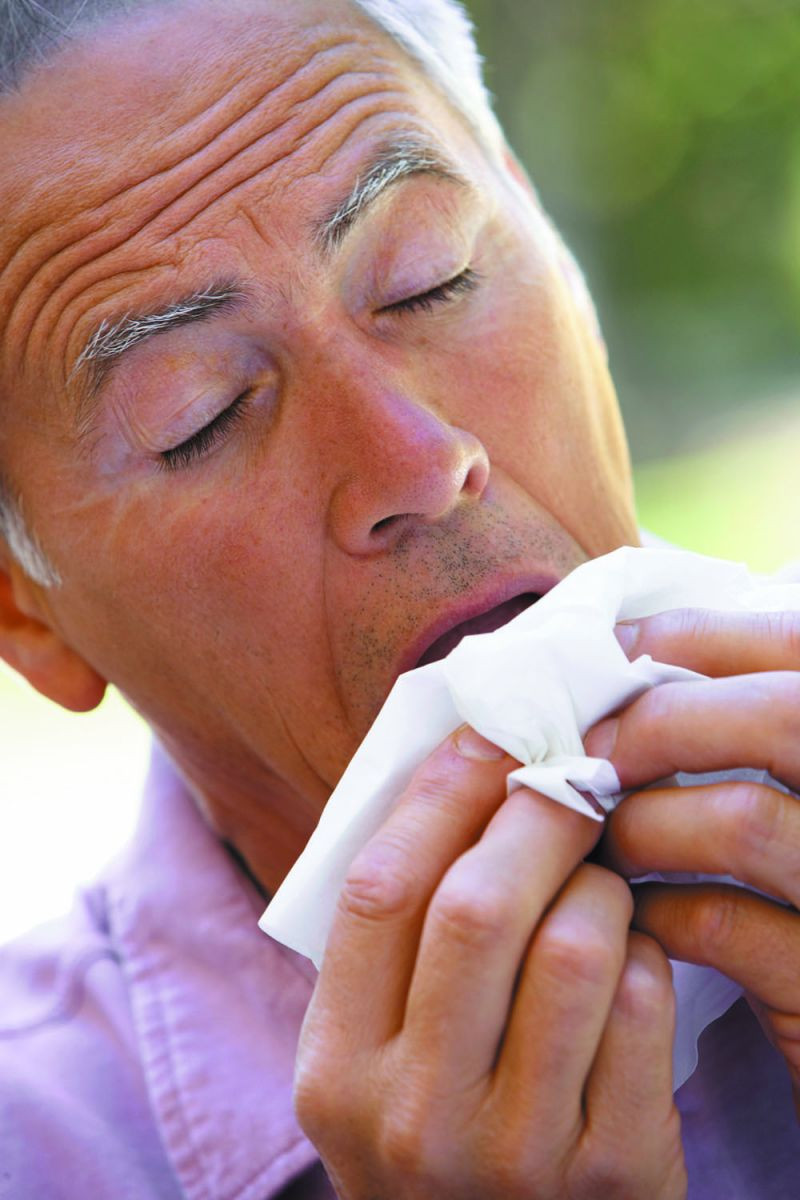
Sniffing out sinus relief
The inflammation of chronic sinusitis can be more than just an annoyance. Here's what you can do about flare-ups.
Stuffy nose? Constant blowing? A head on the verge of exploding? Everyone battles clogged sinuses at times, and often the discomfort goes away after a few days. However, if the condition lingers or becomes more severe, you could be battling chronic sinusitis, which can affect your quality of life.
"Besides the stress of dealing with the symptoms, the condition can interfere with your sleep, lead to depression, and keep you from being active," says Dr. Ahmad R. Sedaghat, an otolaryngologist with Harvard-affiliated Massachusetts Eye and Ear Infirmary.

A day at the 5K races
Whether you run or walk, these popular local events can be an effective fitness motivator.
Image: © rihardzz/Thinkstock
Motivation can be one of the greatest obstacles to staying active. If your interest in exercise is waning, consider signing up for a local 5-kilometer (5K) race, which covers 3.1 miles.
"These events are ideal for older men because they can accommodate almost any fitness level and experience," says Michael Clem of the Harvard-affiliated Spaulding National Running Center.

Planning the rest of your life
Health care, living situations, end-of-life decisions. Address them now so you can focus on living your life.
Image: © ChristianChan/Thinkstock
General Dwight Eisenhower once said that plans are nothing, but planning is everything. This sage advice from the man who orchestrated the largest military invasion in history can apply to your life too. His point was that life happens and things change, but you always need to work toward your goal.
For many older men, this means addressing some unpleasant realities like advancing age, financial challenges, and yes, even death.


A new concern about blood pressure and your brain health
Research we're watching
Last month, Harvard Women's Health Watch talked about how high blood pressure can cause a series of tiny strokes that damage your brain, increasing your risk of dementia and cognitive changes. A study in the August 8 issue of Circulation shows that this might not be the only concern when it comes to blood pressure and your mind. Researchers in Japan found that large and frequent fluctuations in blood pressure — not just high blood pressure — was associated with an increased risk of both Alzheimer's disease and vascular dementia.
The study authors asked 1,674 dementia-free participants ages 60 and older to measure their blood pressure at home, three times every morning, for about four weeks. They followed up about five years later to see who went on to develop dementia.
CoQ10: Should you take this popular supplement if you're on a statin?
Oat vs. dairy milk: Nutrition, benefits, and downsides
Microplastics: A hidden health threat?
Healing after food poisoning
What is tempeh? Benefits, nutrition, and how to use it
Light exposure at night may raise risk for heart disease
Whole grains may improve several heart risk factors at once
A lumbar belt may help ease low back pain
Children of centenarians may stay healthier and live longer too, study finds
Signs of pneumonia: Sometimes vague and unexpected
Free Healthbeat Signup
Get the latest in health news delivered to your inbox!
Sign Up
