

CoQ10: Should you take this popular supplement if you're on a statin?

Oat vs. dairy milk: Nutrition, benefits, and downsides

Microplastics: A hidden health threat?

Healing after food poisoning

What is tempeh? Benefits, nutrition, and how to use it

Light exposure at night may raise risk for heart disease

Whole grains may improve several heart risk factors at once

A lumbar belt may help ease low back pain

Children of centenarians may stay healthier and live longer too, study finds

Signs of pneumonia: Sometimes vague and unexpected
Digestive Health Archive
Articles

Fish oil and vitamin D supplements might offer some health benefits
In the journals
Vitamin D and omega-3 fatty acid supplements have had mixed results when it comes to preventing heart attacks, strokes, and cancer in people who have already developed these problems or are at high risk for them. Yet a new study published online Nov. 10, 2018, by The New England Journal of Medicine found they may actually prevent these conditions among people who have never had these problems before.
Researchers recruited almost 26,000 people, ages 50 and older, who had no history of heart disease or cancer. The participants were divided into four groups. People in one group were given daily doses of 2,000 international units of vitamin D (an amount found to be linked to lower disease risk in observational studies) and 1 gram of a drug called Lovaza, which contained 840 milligrams of omega-3s (two to four times the amount in two servings of fish per week). The second group took vitamin D and a placebo, the third group took the omega-3s and a placebo, and the final group took two placebos. After more than five years, the researchers found that those given omega-3s were 28% less likely to suffer a heart attack compared with those given a placebo. Those who ate fewer servings of fish (less than the average of 1.5 servings per week) appeared to have a greater benefit from the additional omega-3s while those with higher fish intake had minimal benefit.


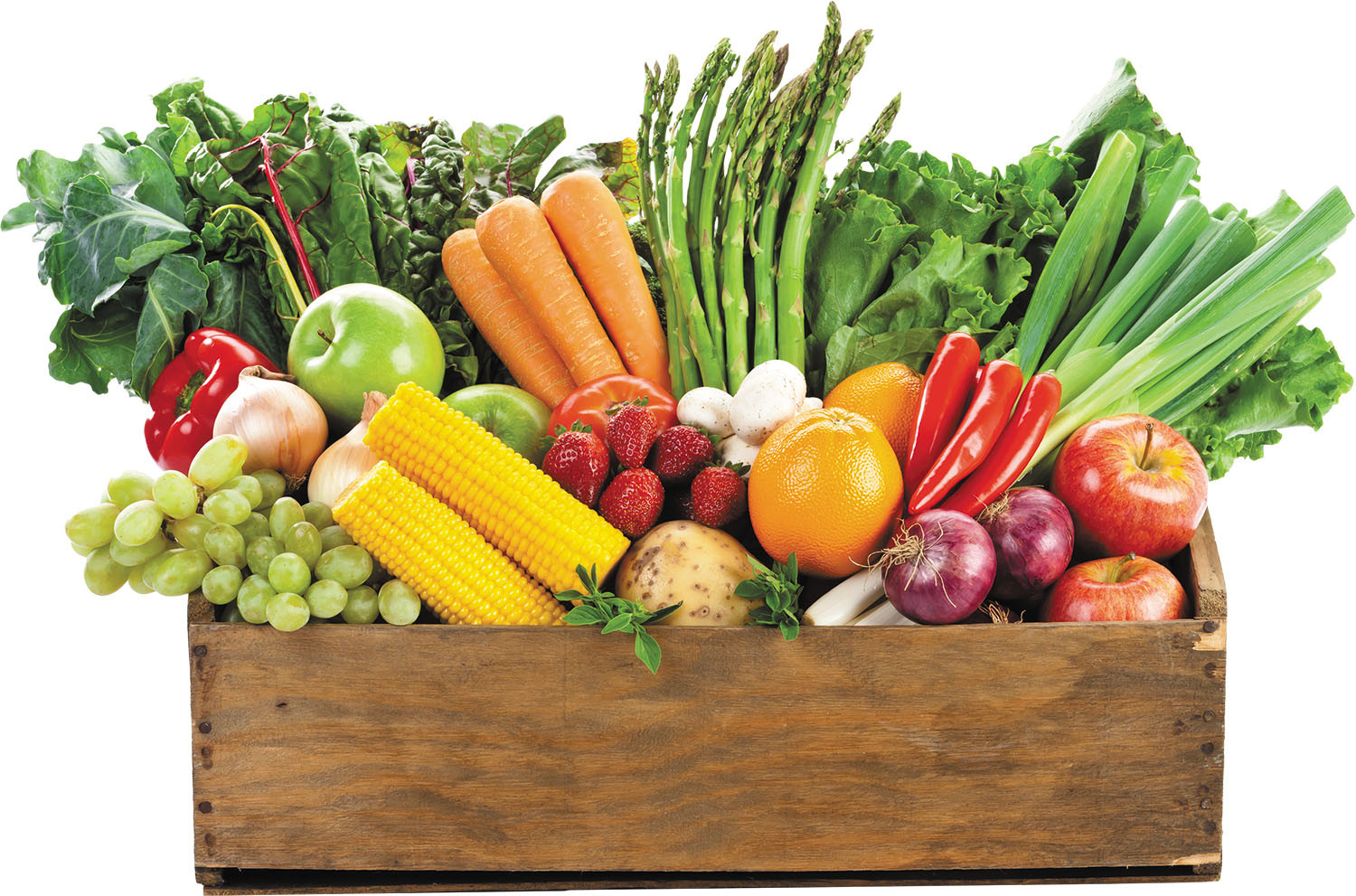
Can you eat away at your cancer risk?
A healthy diet should go heavy on vegetables and skip alcohol, sugary drinks, and processed foods.
Image: © fcafotodigital/Getty Images
Most of the time when someone gets cancer, it's because of bad genes or bad luck. But as many as four in 10 cancers may be preventable. And diet likely plays an important role in reducing (or increasing) your risk.
It's no surprise that vegetables and fruits are thought to reduce cancer risk, according to Teresa Fung, adjunct professor in the Department of Nutrition at the Harvard T.H. Chan School of Public Health and faculty editor of Healthy Eating, a Special Health Report from Harvard Health Publishing (available at www.health.harvard.edu/special-health-reports). It probably also won't shock you to learn that bacon, fast food, and sugary drinks fall into the opposite category. But how can you know for sure which foods to eat and which to avoid?
Vitamin D and omega-3 fatty acids supplements fall short when it comes to disease prevention
Image: © Hunterann/Thinkstock
Research we're watching
For years, many have speculated that taking vitamin D and omega-3 fatty acid supplements might help to prevent heart attacks, strokes, and certain cancers. But a study by Harvard researchers published online November 10, 2018, by The New England Journal of Medicine has found that the benefits may be more limited than originally hoped.
The results of the Vitamin D and Omega-3 Trial (VITAL), which enrolled more than 25,000 people and ran for more than five years, showed that while omega-3 supplements did appear to reduce the risk of heart attack, particularly among African Americans, they did not appear to be effective in preventing stroke or cancer. Vitamin D supplements also saw few benefits when it came to preventing heart attack, stroke, or cancer — but they were associated with a drop in cancer deaths in people who had taken the supplements for at least a year or two.

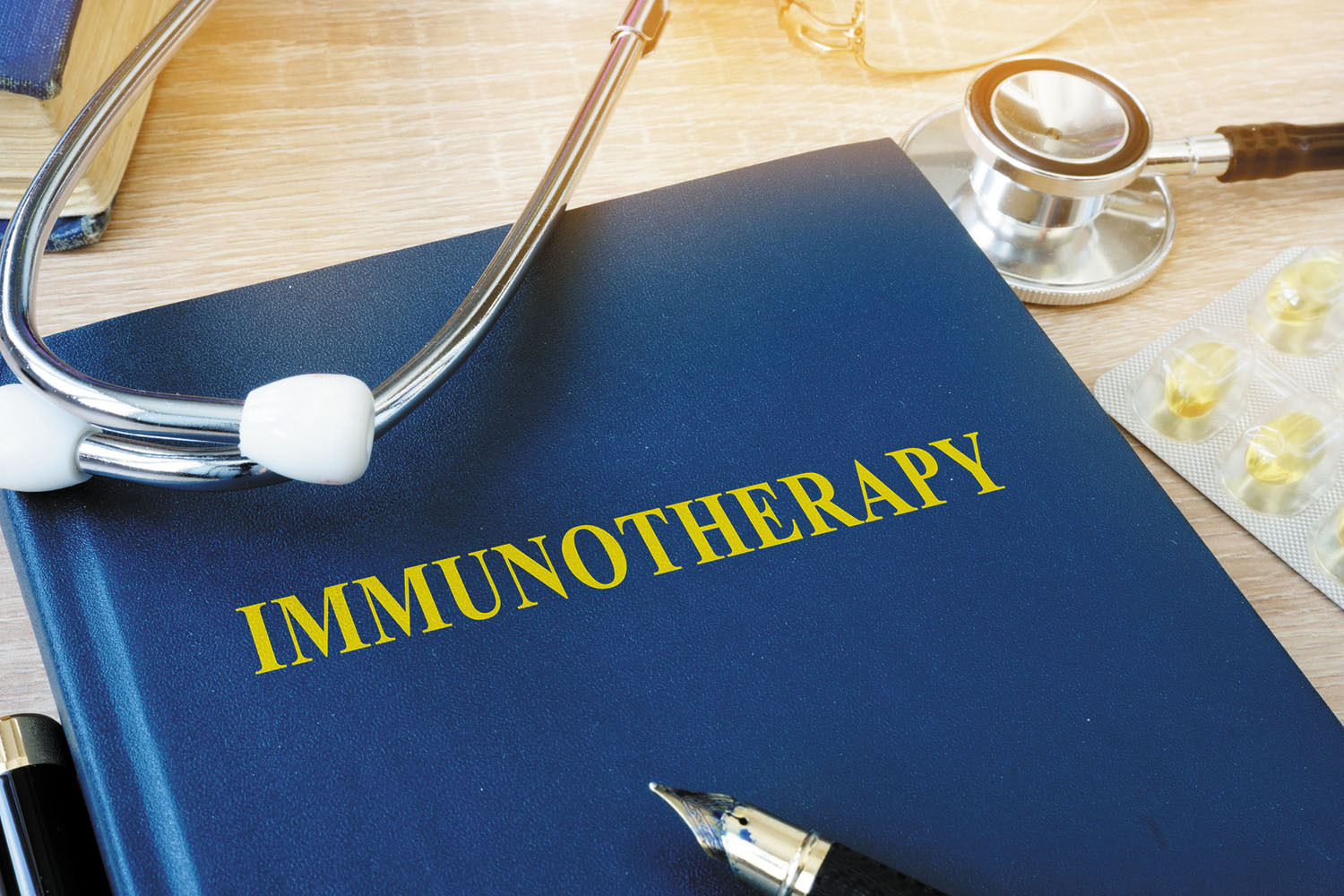
What is immunotherapy?
Ask the doctor
Image: © designer491/Getty Images
Q. A friend has melanoma, and his doctor wants to use a new kind of treatment that boosts the immune system. Can you tell me more?
A. The immune system exists to attack foreign things that enter the body, such as germs. Certain cells of the immune system recognize and attack foreign things. Cancerous cells make chemicals that are not made by normal cells, chemicals the immune system should recognize as foreign. Unfortunately, eight million people around the globe die of cancer each year after their immune systems fail to destroy the cancer. Why do their immune systems fail?
Low-dose aspirin and ovarian cancer risk
Research we're watching
Image: © Robert Kirk/Getty Images
Anti-inflammatory medications may play a role in ovarian cancer risk. A study by researchers at the Harvard T.H. Chan School of Public Health found that taking low-dose aspirin regularly appears to reduce the risk of ovarian cancer by 23%. However, long-term heavy use of ibuprofen (Advil), naproxen (Aleve), and other nonsteroidal anti-inflammatory drugs (NSAIDs) seems to increase risk.
The study, published online October 4 by JAMA Oncology, looked at data on more than 200,000 women who participated in the Nurses' Health Study and Nurses' Health Study II. Among the group studied, 1,054 women went on to develop ovarian cancer. Researchers then looked at what type of medications the women took on a regular basis. They found that women who took at least 10 doses of NSAIDs a week for multiple years had an increased risk of ovarian cancer. Women who took low-dose aspirin regularly seemed to have a reduced risk — but the same was not true among women who took a standard-dose aspirin.

CoQ10: Should you take this popular supplement if you're on a statin?
Oat vs. dairy milk: Nutrition, benefits, and downsides
Microplastics: A hidden health threat?
Healing after food poisoning
What is tempeh? Benefits, nutrition, and how to use it
Light exposure at night may raise risk for heart disease
Whole grains may improve several heart risk factors at once
A lumbar belt may help ease low back pain
Children of centenarians may stay healthier and live longer too, study finds
Signs of pneumonia: Sometimes vague and unexpected
Free Healthbeat Signup
Get the latest in health news delivered to your inbox!
Sign Up
