
CoQ10: Should you take this popular supplement if you're on a statin?

Oat vs. dairy milk: Nutrition, benefits, and downsides

Microplastics: A hidden health threat?

Healing after food poisoning

What is tempeh? Benefits, nutrition, and how to use it

Light exposure at night may raise risk for heart disease

Whole grains may improve several heart risk factors at once

A lumbar belt may help ease low back pain

Children of centenarians may stay healthier and live longer too, study finds

Signs of pneumonia: Sometimes vague and unexpected
Digestive Health Archive
Articles

Does endometriosis increase cancer risk?
Ask the doctors
Q. I have endometriosis, and I recently heard that it might increase my risk of certain cancers. Is this true?
A. Researchers have linked endometriosis, an often painful condition that causes endometrial-like tissue to grow outside the uterus, to a higher risk of two types of ovarian cancer — endometrioid and clear-cell subtypes. That said, even though your risk of these cancers may be higher than that of the average woman who doesn't have endometriosis, your chances of developing one of these cancers is still very small — less than 1%.
What does heartburn feel like?
Ask the doctor
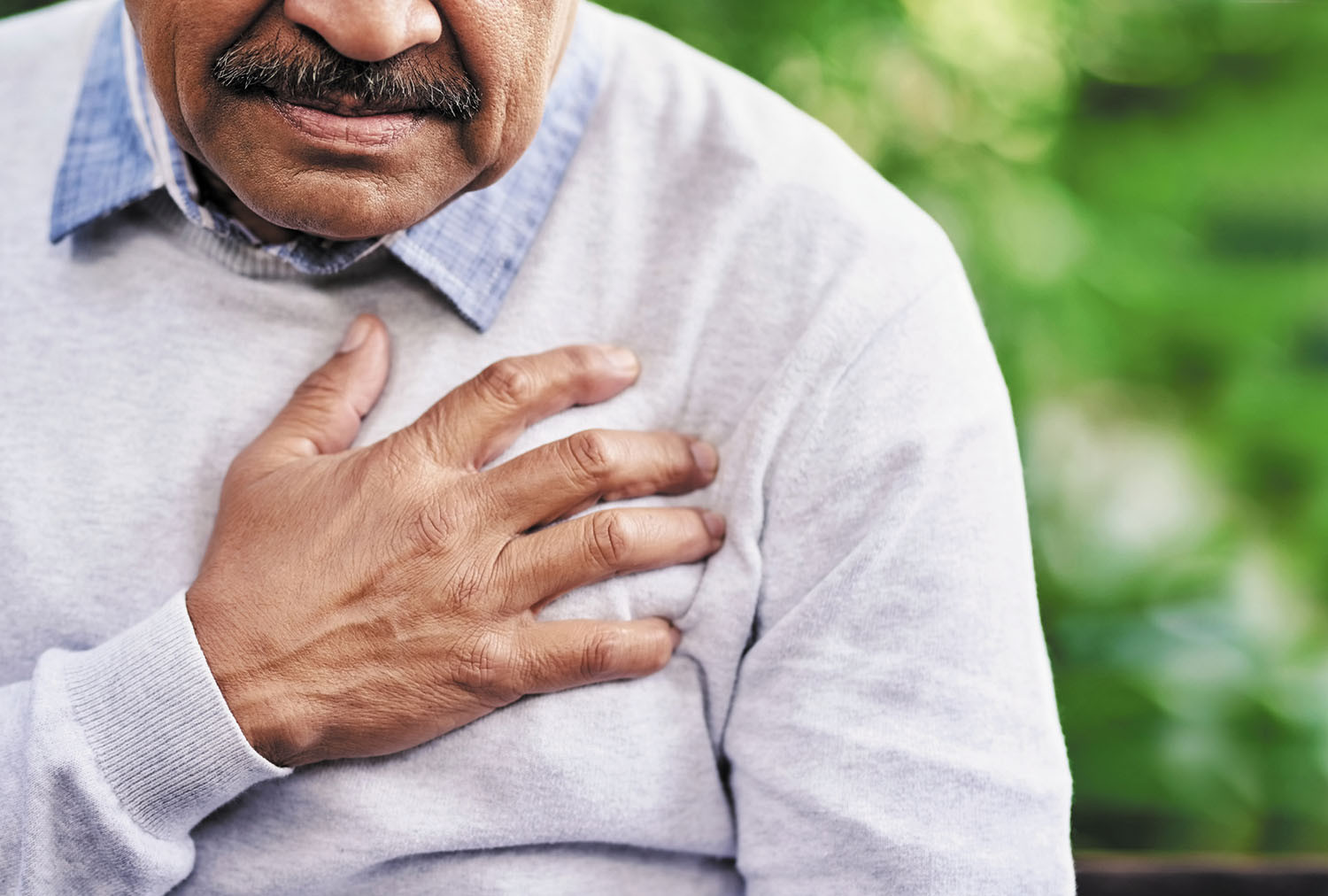
Q. I think I have heartburn, but I hear that what feels like heartburn is sometimes a more serious condition. How do I know if I have heartburn?
A. You've asked an important question. "Heartburn" describes symptoms caused by the reflux of stomach acid up into the esophagus (the tube that carries food from the mouth down to the stomach). It is a burning sensation. You can feel it high in the abdomen, just below the bottom of the breastbone, or underneath the middle of the breastbone in the chest. In other words, despite the word "heart" in the word "heartburn," real heartburn comes not from the heart, but from the stomach and esophagus.
By the way, doctor: Do I need to take bile salts after gallbladder surgery?
Q. I have read that people who have had their gallbladders removed should take bile salts. My gallbladder was removed many years ago, and no doctor has said I should take bile salts. Should I?
A. Bile salts are produced in the liver, secreted into the bile ducts and gallbladder, and sent from there to the small intestine by way of the common bile duct. In the intestine, bile salts make it easier for your body to absorb and digest the fats and fat-soluble vitamins that you've eaten. Remember, not all fats are bad: there are "good" fats, and they are crucial to our health.
Answers to the top questions about cannabis extract
Sales of cannabidiol-infused products are expected to top $2 billion by 2021. But is CBD right for you?
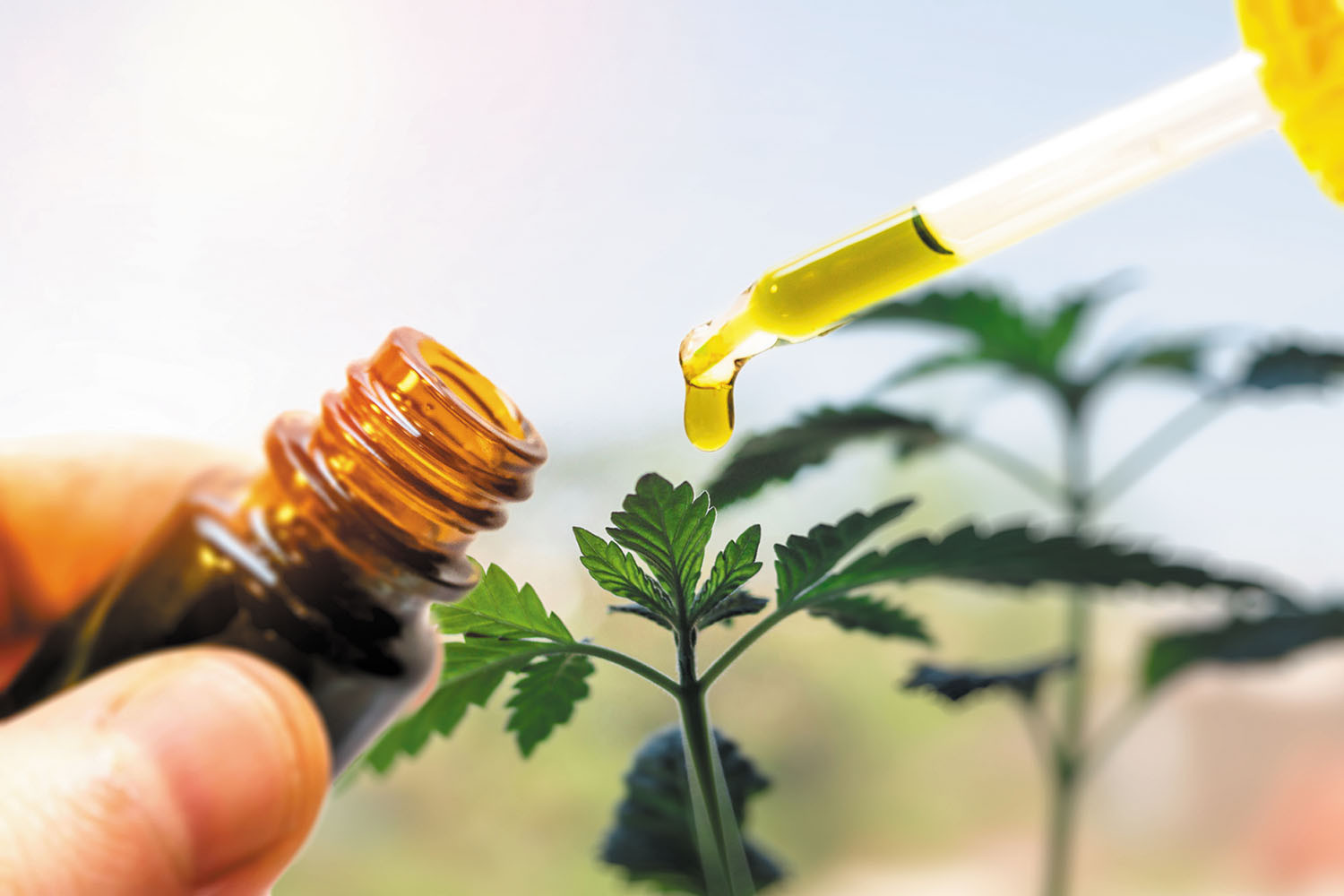
Cannabidiol (CBD) is touted as a natural wonder that can help treat symptoms of everything from anxiety to arthritis pain. The plant extract comes from two varieties of cannabis — hemp and marijuana — and is available in creams, tinctures, oils, patches, gummy bears, capsules, and more. You can even add CBD to a latte if you walk into a coffee shop in some cities.
But is CBD safe for older adults? There haven't been a lot of large studies of CBD's safety, but more traditional medicines for pain and anxiety are not free of adverse effects, either. "I think CBD is likely safer than many other treatments people use for pain, insomnia, or anxiety," says Dr. Peter Grinspoon, a primary care physician with Harvard-affiliated Massachusetts General Hospital. Other physicians don't think we know enough about the safety profile of CBD to be sure.
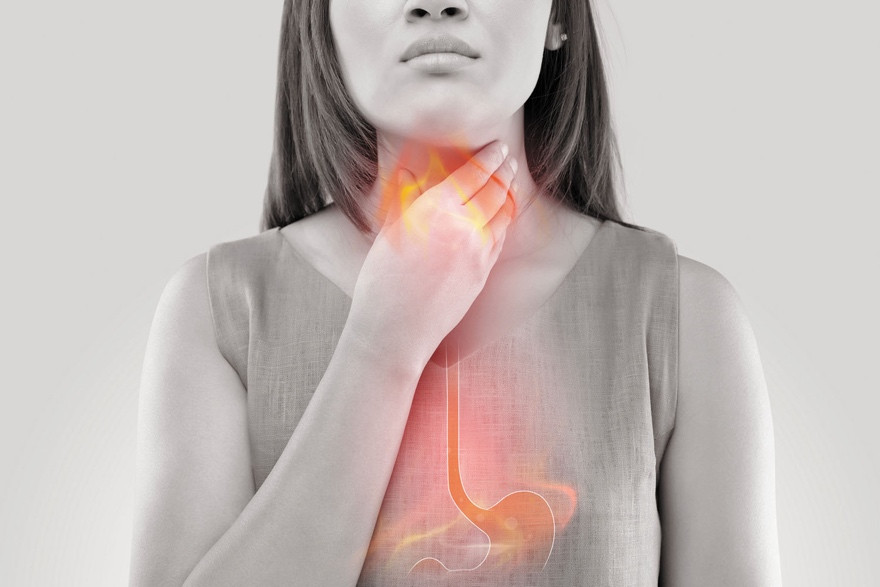
Feeling the burn? Antacids can provide some relief
But these remedies aren't the best choice if you have frequent heartburn.
You feel the familiar sensation in your chest: heartburn. Again, you find yourself reaching for the bottle of antacids in the medicine cabinet. It's something you've done a few times a week for the past six months. Is it okay to keep popping over-the-counter acid reducers, or is it time to see a doctor?
We asked two experts, Dr. Jennifer Nayor and Dr. Molly Linn Perencevich, both instructors in medicine at Harvard Medical School, for their thoughts on heartburn, including when it's okay to use over-the-counter antacids and when you should seek other treatments. Below are their responses.

Can I prevent diverticulitis?
Ask the doctors
Q. I recently had diverticulitis. I'd like to avoid a recurrence. Is there anything I can do to prevent this painful condition in the future?
A. As people age, small pouches often form in the wall of the large intestine, a condition called diverticulosis. If food or bacteria become trapped in these pouches, they can become inflamed or infected, which is known as diverticulitis.



CoQ10: Should you take this popular supplement if you're on a statin?
Oat vs. dairy milk: Nutrition, benefits, and downsides
Microplastics: A hidden health threat?
Healing after food poisoning
What is tempeh? Benefits, nutrition, and how to use it
Light exposure at night may raise risk for heart disease
Whole grains may improve several heart risk factors at once
A lumbar belt may help ease low back pain
Children of centenarians may stay healthier and live longer too, study finds
Signs of pneumonia: Sometimes vague and unexpected
Free Healthbeat Signup
Get the latest in health news delivered to your inbox!
Sign Up
