

Light exposure at night may raise risk for heart disease

Whole grains may improve several heart risk factors at once

A lumbar belt may help ease low back pain

Children of centenarians may stay healthier and live longer too, study finds

Signs of pneumonia: Sometimes vague and unexpected

The surprising link between ovarian cancer and the fallopian tubes

Using a vibration plate: What it can — and can't — do for your body

People who walk more or walk faster live longer, study finds
For sleep apnea, a dental device may be as effective as CPAP
Rosacea treatments: What works?
Diabetes Archive
Articles

Avoiding health risks at the farmers’ market
Watch out for unpasteurized products, and ask vendors about food safety.
There's something magical about strolling through a farmers' market on a crisp autumn morning. The fruit and vegetables seem fresher there than they do in a store — apples taste tarter, tomatoes seem redder and riper. It's a farm-to-table connection that puts you in touch with nature and the harvest.
Maybe that's partly behind the explosion of farmers' markets across the country, climbing from about 2,000 markets in 1994 to more than 8,600 today, according to the Farmers Market Coalition. "It's a great way to get fresh produce and try different foods you may not have come across before. But it should be enjoyed with caution," urges Dr. Simi Padival, an infectious disease specialist with Harvard-affiliated Beth Israel Deaconess Medical Center.

Ringing in the ear: tinnitus and hearing loss
Many people with hearing loss also have tinnitus, commonly known as ringing in the ear. This phrase is misleading, however, because some people hear ringing while others hear whistles, chirping, or a combination of sounds. Regardless of the particular sound, the distinguishing feature is that it doesn't have an external cause. People with tinnitus hear sounds that people around them don't hear. This isn't to say that tinnitus isn't real—researchers at the National Institute on Deafness and Other Communication Disorders have detected changes in brain activity that occur with tinnitus.
Strategies that can help
Some people with hearing loss and tinnitus find that both problems improve after they get a hearing aid or have a cochlear implant. Others find that their tinnitus symptoms improve somewhat when they cut down on caffeine and alcohol, reduce the amount of fat in their diets, and quit smoking. The following techniques may also help reduce your tinnitus symptoms:

Electronic screen alert: Avoid this vision risk
Looking at a screen too long may lead to computer vision syndrome.
Image: © jacoblund/Thinkstock
There are many reasons to restrict the amount of time you spend in front of an electronic screen. For example, more hours sitting at a computer or smartphone means fewer hours of being physically active, and looking at a computer screen at night can stimulate the brain and make it difficult to fall asleep.
Here's another reason to curb screen time: a problem called computer vision syndrome — an umbrella term for conditions that result from looking at a computer or smartphone screen. "It's most prevalent with computers, and typically occurs when looking at a screen at arm's length or closer," says Dr. Matthew Gardiner, an ophthalmologist with Harvard-affiliated Massachusetts Eye and Ear Infirmary.

Hepatitis C: Still a major risk for baby boomers
News briefs
Image: © jarun011/Thinkstock
New cases of hepatitis C — a viral infection that attacks the liver — are at a 15-year high, according to surveillance data from the CDC released online May 11, 2017. The CDC estimates that there were about 34,000 new cases in 2015. Young adults (ages 20 to 29) account for most of the new infections, and the CDC attributes this to needle use from opioid addiction. But baby boomers (those born between 1945 and 1965) make up three-quarters of the 3.5 million people living with hepatitis C in the United States. Baby boomers are also the ones dying most often from the virus. New medicines can cure hepatitis C infections in as little as two to three months.
The CDC urges you to get a screening test for the virus if you were born between 1945 and 1965. Anyone who has used illicit intravenous drugs, had more than one sex partner, or who had a blood transfusion before 1992 also should get the test.
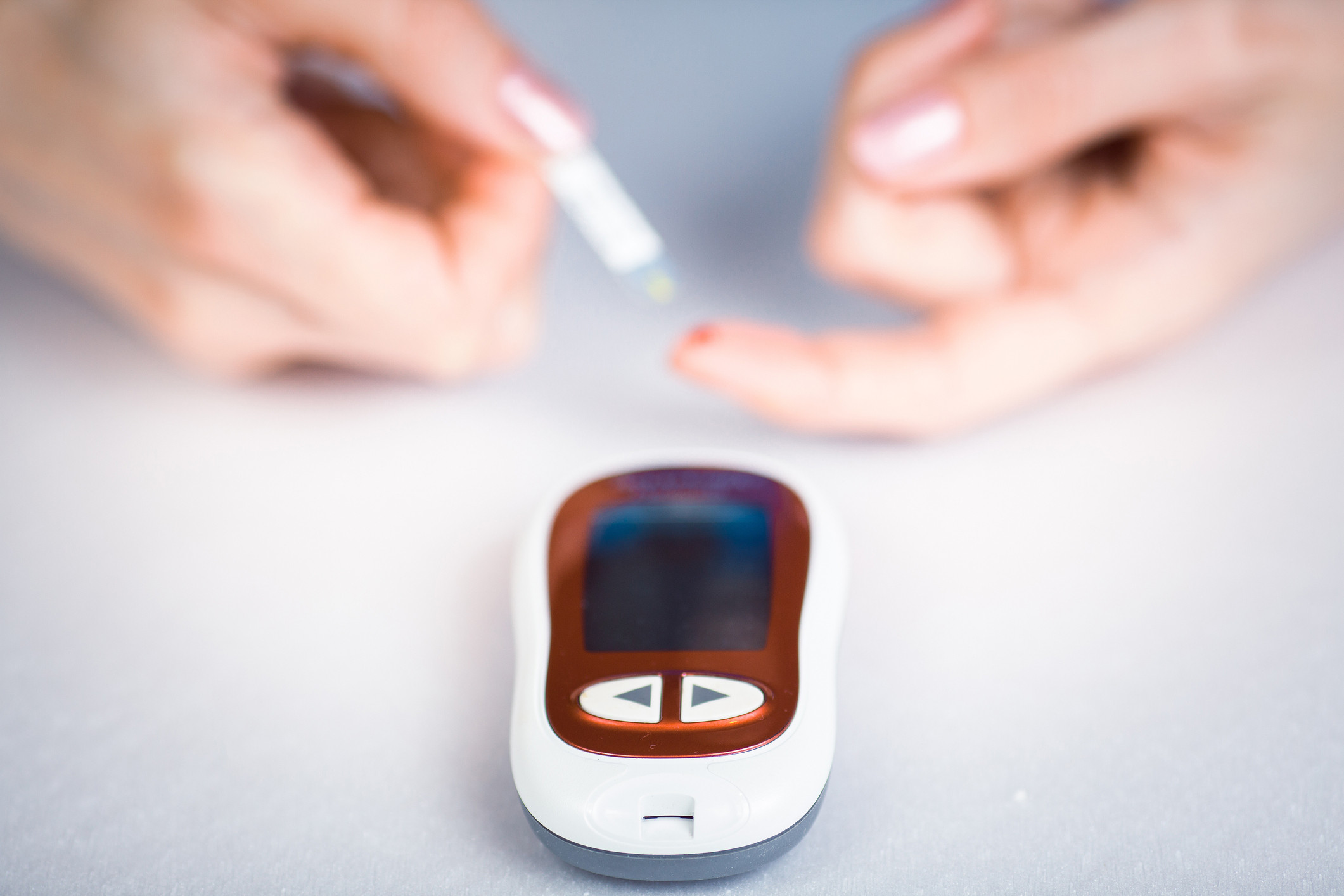
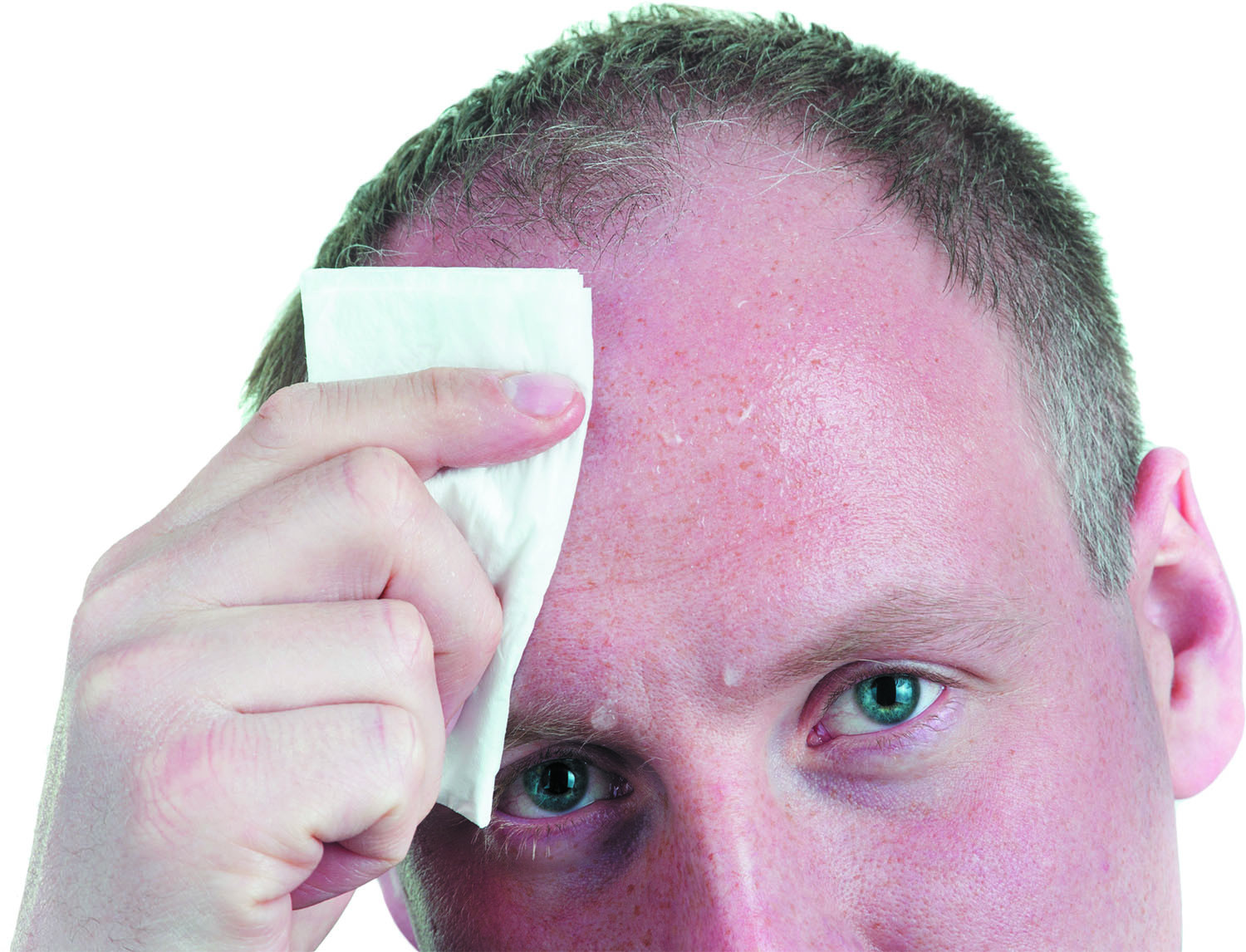
When is heavy sweating a problem?
On call
Image: © EunikaSopotnicka/Thinkstock
Q. I've noticed recently that I sweat excessively, regardless of the temperature. Should I be concerned?
A. Your genes can determine whether you sweat a lot, but a sudden change in your regular sweating may suggest an underlying condition. Sweating is regulated by your nervous system and can be triggered by a number of causes. The primary signal for perspiration originates in the brain in response to a temperature-related or emotional cue, and then is carried by the autonomic nervous system to the sweat glands in the skin.


Do I need to worry about floaters
A Harvard Medical School doctor answers a common eyesight question
Q: Recently, I started to notice tiny threadlike shapes in my field of vision. My doctor says they are "floaters." Should I be concerned?
A: "Floaters" is a catchall term for what look like dots, threads, or cobwebs drifting across your line of vision.


Whatever happened to CRISPR?
Ask the doctor
Image: © ktsimage/Thinkstock
Q. Several years ago you wrote about a new technology called CRISPR that might make it possible to cure some incurable diseases. I keep hearing about this in the news. Is it any closer to reality?
A. Yes, there has been progress. What does CRISPR stand for? You don't want to know. What does it do? You do want to know, because it's pretty amazing. A colleague here at Harvard Medical School, Dr. George Church, says CRISPR enables a scientist to "edit any piece of any DNA a thousand times more easily and precisely than before, which is game-changing for gene therapies." Why would doctors and scientists want to "edit" DNA? Because disease is caused by genes that are not built properly or are not turned on and off properly. Both problems, theoretically, can be corrected by precisely editing the DNA that makes up those genes.
Light exposure at night may raise risk for heart disease
Whole grains may improve several heart risk factors at once
A lumbar belt may help ease low back pain
Children of centenarians may stay healthier and live longer too, study finds
Signs of pneumonia: Sometimes vague and unexpected
The surprising link between ovarian cancer and the fallopian tubes
Using a vibration plate: What it can — and can't — do for your body
People who walk more or walk faster live longer, study finds
For sleep apnea, a dental device may be as effective as CPAP
Rosacea treatments: What works?
Free Healthbeat Signup
Get the latest in health news delivered to your inbox!
Sign Up
