

Light exposure at night may raise risk for heart disease

Whole grains may improve several heart risk factors at once

A lumbar belt may help ease low back pain

Children of centenarians may stay healthier and live longer too, study finds

Signs of pneumonia: Sometimes vague and unexpected

The surprising link between ovarian cancer and the fallopian tubes

Using a vibration plate: What it can — and can't — do for your body

People who walk more or walk faster live longer, study finds

For sleep apnea, a dental device may be as effective as CPAP

Rosacea treatments: What works?
Diabetes Archive
Articles

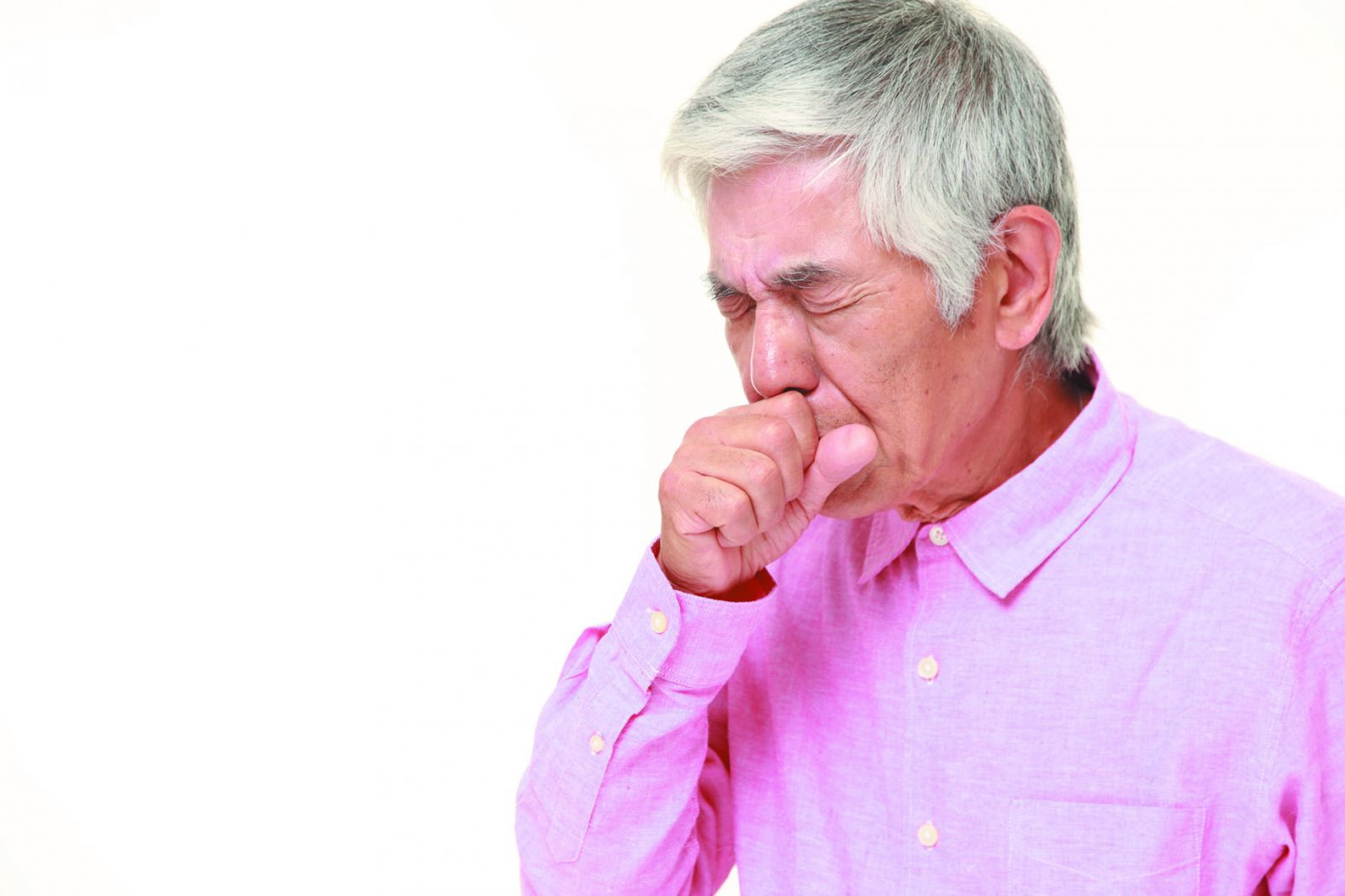
Are you at risk for COPD?
If you have a hacking cough and breathlessness, don't chalk it up to aging.
Maybe you never smoked, or you stopped decades ago. But you may still be at risk for chronic obstructive pulmonary disease (COPD). That's the umbrella term for a number of lung diseases that sometimes lead to disability and even death. "While about 80% of COPD cases are related to having smoked, 20% are not," says Dr. Bartolome Celli, a pulmonologist with Harvard-affiliated Brigham and Women's Hospital.
Diseases and symptoms
COPD includes emphysema, chronic bronchitis, severe asthma, or a combination of these conditions. They cause inflammation, destruction, or abnormal repair of airways and lung tissue, which reduces airflow and ultimately makes it harder to take in enough oxygen to supply the body.
Putting the brakes on a racing heart
A rapid heartbeat can be frightening, but this often-fleeting problem is usually harmless.
Image: © deeepblue/Thinkstock
If you're exercising or feeling very nervous, you expect your heart to beat faster than normal. But what if your heart sometimes starts racing out of the blue, for no apparent reason? You might have supraventricular tachycardia, or SVT. SVT is an umbrella term that covers several different types of rapid heart rhythms, all of which are caused by an electrical glitch in the upper part of the heart.
The most common SVTs are atrial fibrillation — a rapid, chaotic rhythm that increases the chance of having a stroke—and atrial flutter, a fast but usually regular heartbeat. But when cardiologists talk about SVT, they're usually referring to three different, less-common conditions (see "What is supraventricular tachycardia?").

Why nutritionists are crazy about nuts
Mounting evidence suggests that eating nuts and seeds daily can lower your risk of diabetes and heart disease and may even lengthen your life.
If your idea of healthy eating was formed a few decades ago, it may be hard to shake the notion that you should avoid nuts, which are high in calories and fat. But new evidence has overturned that assumption. In fact, a recent analysis of the nation's eating habits and health outcomes suggests that eating too few nuts and seeds is associated with an increased risk of dying from cardiovascular disease or diabetes.
For that study, in the March 7, 2017, Journal of the American Medical Association, researchers from the Tufts Friedman School of Nutrition Science and Policy relied on a model that used data from scores of observational studies on diet and health, including the National Health and Nutrition Examination Surveys, which provided detailed information on Americans' eating habits over the decade ending in 2012. They estimated that in 2012, over 300,000 deaths from heart disease, stroke, or type 2 diabetes — about 45% of all deaths from those conditions — were associated with eating either too much or too little of 10 nutrients.

Stop diabetes before it begins
Millions have prediabetes and don't know it. Here is why it's important to find out and act to lower your diabetes risk.
Image: © shelma1/Thinkstock
An estimated one out of three American adults is prediabetic, which means blood sugar levels are higher than normal but below the threshold for type 2 diabetes. Yet 90% of these people do not realize they are in this dangerous gray zone.
"You are not going to have symptoms for prediabetes," says Dr. David Nathan, director of the Harvard-affiliated Massachusetts General Hospital Diabetes Center. "Instead, you or your doctor should determine if you have any of the common risk factors, get your blood sugar levels checked to determine if you have prediabetes, and then make the necessary lifestyle changes you need to stop type 2 diabetes from occurring."

The "other" incontinence — don't suffer in silence
Most people who are suffer from fecal incontinence do so in silence. As a result, the number of people with the condition — which results in the involuntary release of gas or stool — isn't known. But the scant evidence at hand indicates that it usually begins during one's 40s or 50s.
You don't have to live with incontinence — there are treatment options, which include dietary changes and bowel training regimens, and surgery for some people.
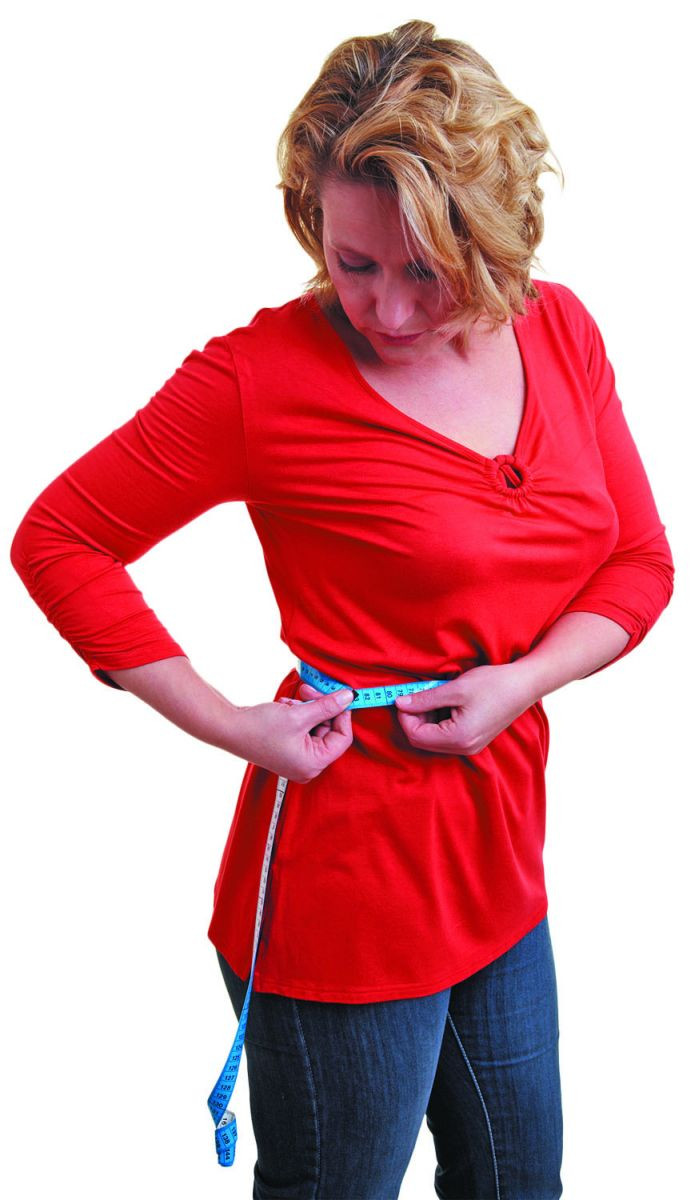
Why middle-age spread is a health threat
Those extra inches around the middle may signal increased fat around abdominal organs and rising health risks.
It's a rare woman over age 50 who has the same waist measurement she had as a teenager. But in the past decade or so, women's waistlines have been expanding regardless of age. A 2014 report from the National Health and Nutrition Examination Survey found that from 1999 to 2012, the average body mass index (BMI) for women age 20 or older held steady. But during the same period, the average female waistline grew slowly and steadily, from 36.2 inches to 37.8 inches. Researchers are still searching for an explanation for this phenomenon, but they do know one thing: increasing waistlines are linked to greater risks for heart disease, diabetes, and osteoporosis.
What's in a waistline?
Regardless of whether your weight has changed over the years, your height is likely to have decreased, the result of declining volume in the intervertebral discs of the spine. As your torso shortens, your abdominal organs have less vertical space to inhabit, so they move horizontally. If you haven't gained weight, an increase of an inch or two around the waist may simply reflect lost height.
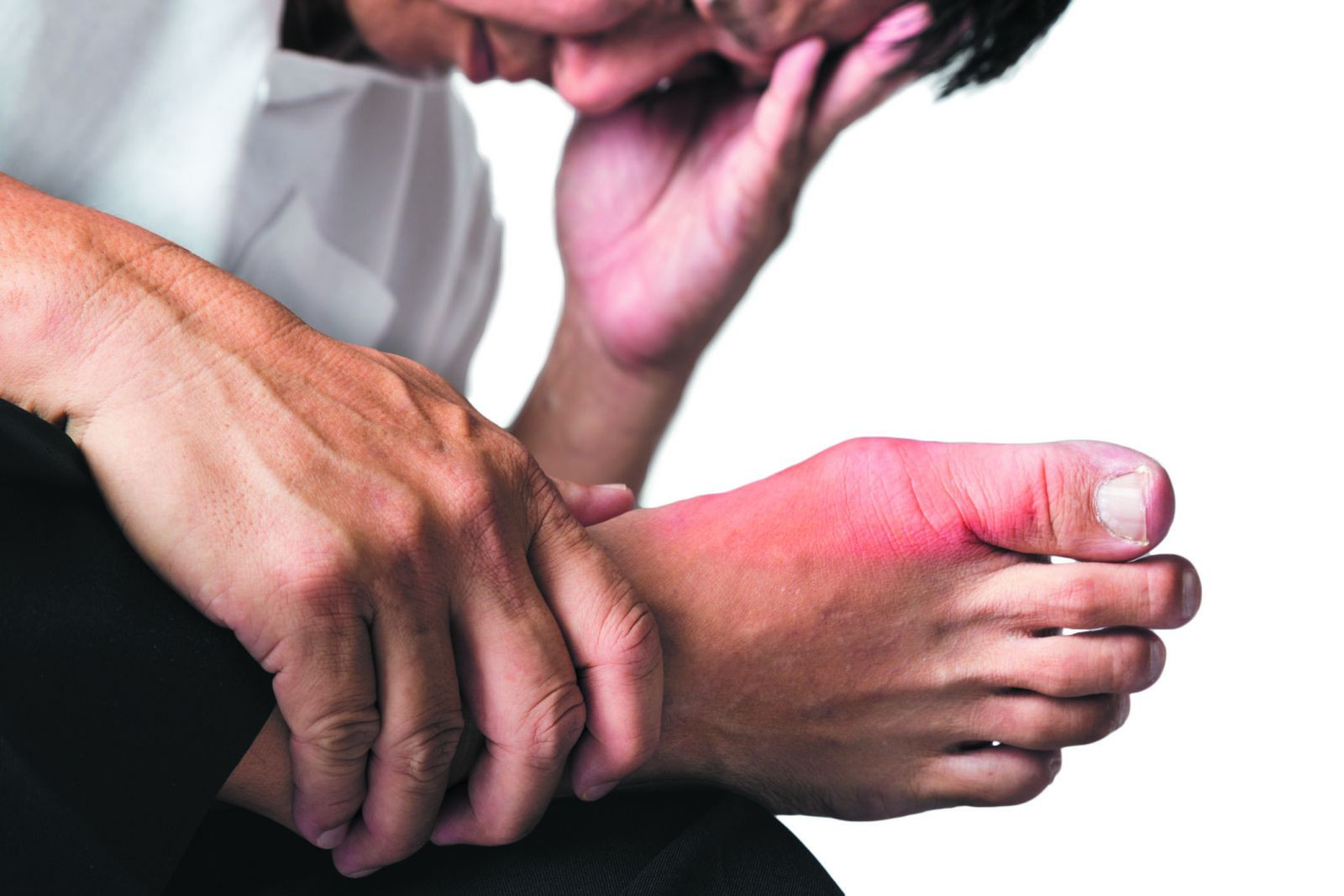
Are you at risk for gout?
This common type of arthritis can show up suddenly and cause debilitating pain.
Image: © ThamKC/Thinkstock
The great artists Ludwig van Beethoven, Luciano Pavarotti, and Leonardo da Vinci had more than extraordinary talent in common; they were also sufferers of a type of inflammatory arthritis called gout. You may be at risk of joining their ranks if you have any potential triggers for the condition. "Most people are surprised by their initial gout diagnosis, unless they have a strong family history," says Dr. Mark Fisher, a rheumatologist at Harvard-affiliated Massachusetts General Hospital.
About gout
Gout is mostly a man's condition, although women can experience it, too. It's caused by a buildup of uric acid — a waste product from the breakdown of natural chemicals called purines (an essential part of DNA).

Does your heart need a valve job?
Because medications cannot effectively treat aortic stenosis, a stiff, narrowed aortic valve needs to be replaced.
Your aortic valve is the gateway between your heart and body. With every heartbeat, it opens to allow blood to flow to your body, then snaps shut to keep blood from moving back into the heart.
As people age, calcium deposits may collect on the hard-working aortic valve, causing it to stiffen and narrow. Known as aortic stenosis, this condition also can result from a genetic abnormality (see "What is a bicuspid aortic valve?"). But most cases are in older people, often — but not always — those with high blood pressure, high cholesterol, and other risk factors linked to heart disease. In the United States, about three to four of every 100 people ages 75 and older have severe aortic stenosis.

What is the best way to treat severe dandruff?
On call
Q. I have had a dandruff problem for years. I have tried selenium and zinc shampoos, as well as ketoconazole shampoo. Nothing has worked. Are there other options?
A. Dandruff, which is a chronic skin condition known as seborrheic dermatitis of the scalp, can range from a minor irritant to a severe rash of the entire scalp.
Aspirin therapy may not lower heart attack risk for those with type 2 diabetes
In the journals
Low-dose aspirin therapy is standard treatment for people who have suffered a heart attack or stroke to protect them from a second one. But what about people who don't have cardiovascular disease, but do have specific risk factors, such as type 2 diabetes? A study published in the Feb. 14, 2017, Circulation found that low-dose aspirin therapy in fact did not lower this group's risk for heart attack or stroke.
The researchers recruited more than 2,500 people, ages 30 to 85, with type 2 diabetes and randomly assigned them to take either 81 mg or 100 mg of aspirin daily, or no aspirin, for three years. At the 10-year follow-up, they found that the aspirin therapy did not lower risk of either heart attack or stroke compared with taking no aspirin at all. The reason is not clear, but the researchers speculated that people with diabetes might not experience the expected anti-clotting action of aspirin.
Light exposure at night may raise risk for heart disease
Whole grains may improve several heart risk factors at once
A lumbar belt may help ease low back pain
Children of centenarians may stay healthier and live longer too, study finds
Signs of pneumonia: Sometimes vague and unexpected
The surprising link between ovarian cancer and the fallopian tubes
Using a vibration plate: What it can — and can't — do for your body
People who walk more or walk faster live longer, study finds
For sleep apnea, a dental device may be as effective as CPAP
Rosacea treatments: What works?
Free Healthbeat Signup
Get the latest in health news delivered to your inbox!
Sign Up
