

Light exposure at night may raise risk for heart disease

Whole grains may improve several heart risk factors at once

A lumbar belt may help ease low back pain

Children of centenarians may stay healthier and live longer too, study finds

Signs of pneumonia: Sometimes vague and unexpected

The surprising link between ovarian cancer and the fallopian tubes

Using a vibration plate: What it can — and can't — do for your body

People who walk more or walk faster live longer, study finds

For sleep apnea, a dental device may be as effective as CPAP

Rosacea treatments: What works?
Diabetes Archive
Articles
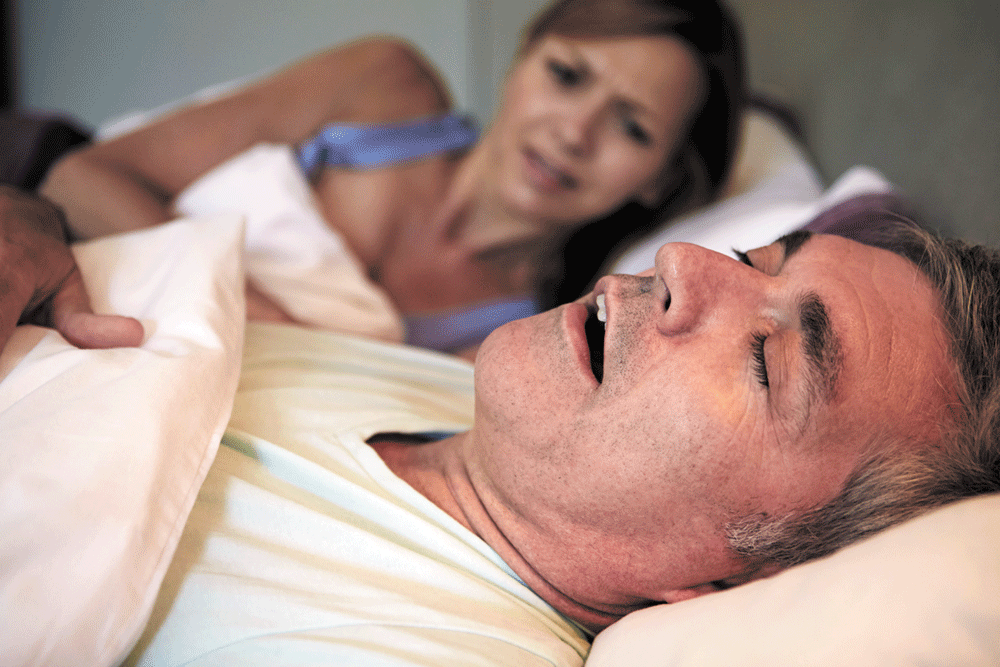
Is snoring always a sign of sleep apnea?
Ask the doctors
Q. My partner says I snore at night. Does this mean I have sleep apnea?
A. If you snore at night, you're in good company. Some 90 million Americans have the same problem, according to the American Sleep Apnea Association. And luckily, not all of them have sleep apnea. Snoring is typically caused by a narrowing of your upper airway. Tissues in the back of your throat sometimes relax in your sleep and drop down, partially blocking the passageway. Air from your breathing rattles the tissue, creating that distinctive noise as it flows past.


Headache basics
Despite the fact that headaches are extremely common, doctors don't fully understand exactly why or even how they occur. Neither the skull nor the brain is sensitive to pain, but both are surrounded by pain-sensitive membranes. Most headache pain stems from abnormalities in these membranes or nearby muscles, blood vessels, or nerves—either alone or in combination.
Women are twice as likely as men to experience moderate and severe headaches and more likely to experience certain types of headaches, such as migraine. A major reason is fluctuating hormone levels that are part of the monthly menstrual cycle.

Racial and ethnic minority communities hit hard by type 2 diabetes: Here’s what we can do
As the number of people with diabetes continues to climb, the problem is especially acute for members of many ethnic and racial minority communities. Greater awareness of this situation is required to bring improved care and treatment to everyone who needs it.



Coping with motion sickness
Change the circumstances that can lead to conflict between your senses and make you sick.
Some people dread riding on a plane, train, bus, or boat, or even sitting in the back of a car. The motion makes them feel nauseated or dizzy, and it may bring on headaches, vomiting, or cold sweats.
"We're wired differently for processing motion and movement. Some people are less tolerant of motion than others. It's very common," says Dr. Steven Rauch, an ear specialist and chief of the vestibular (balance) division of Harvard-affiliated Massachusetts Eye and Ear Infirmary.

What are the best calcium sources for people who are lactose intolerant?
On call
Image: © Svetl/Thinkstock
Q. How can I get my daily requirement for calcium if I am lactose intolerant?
A. We usually associate high-calcium foods with dairy products, like milk, cheese, and yogurt. If you cannot tolerate these foods from a digestive standpoint, you can still meet your calcium requirement by increasing your consumption of certain green leafy vegetables and calcium-fortified foods.
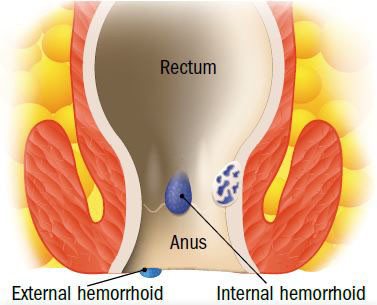
Help for hemorrhoids
One of the most embarrassing conditions also can be one of the easiest to treat and manage.
Image: © ttsz/Thinkstock
Hemorrhoids are without doubt among the most unpleasant of health topics. But if you have suffered from them, you may find comfort in knowing that you are not alone.
More than 75% of people ages 45 and older have had hemorrhoids, with symptoms like rectal pain, itching, and bleeding after a bowel movement.
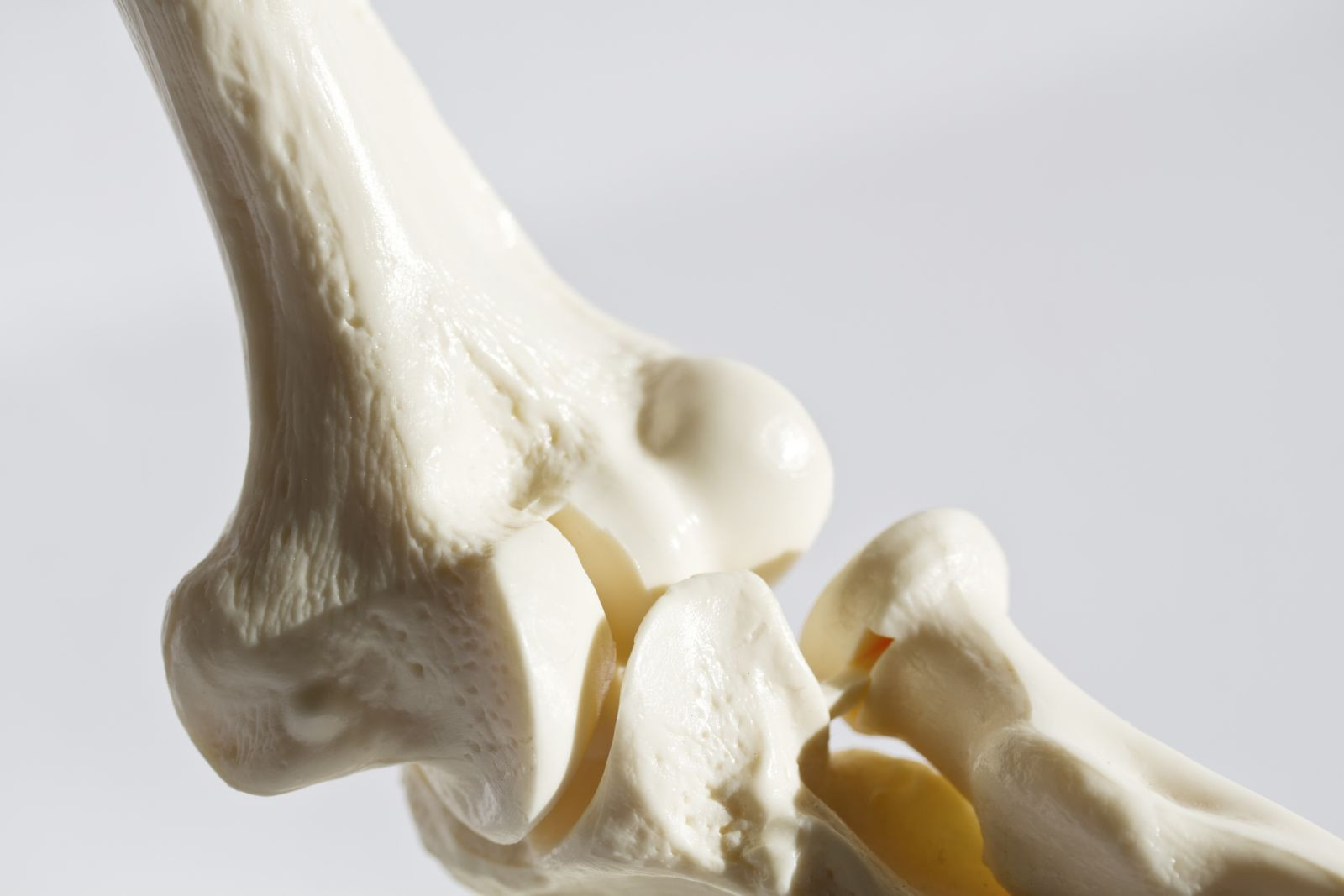
Does osteoporosis cause any symptoms?
Ask the doctors
Q. Is there any way to tell if you are getting osteoporosis? Are there symptoms?
A. Osteoporosis is a disease that causes your bones to become weak and brittle and more likely to break. Unfortunately, you probably won't have any symptoms until the disease is advanced or you actually experience a fracture. However, there are two visible clues of osteoporosis: changes in your posture (such as a hunched-over appearance) and loss of height. Both of these changes may be caused when your spine becomes curved or compressed from weakness or tiny fractures (called compression fractures) in your vertebrae, the small bones that make up your spine.
Light exposure at night may raise risk for heart disease
Whole grains may improve several heart risk factors at once
A lumbar belt may help ease low back pain
Children of centenarians may stay healthier and live longer too, study finds
Signs of pneumonia: Sometimes vague and unexpected
The surprising link between ovarian cancer and the fallopian tubes
Using a vibration plate: What it can — and can't — do for your body
People who walk more or walk faster live longer, study finds
For sleep apnea, a dental device may be as effective as CPAP
Rosacea treatments: What works?
Free Healthbeat Signup
Get the latest in health news delivered to your inbox!
Sign Up
