

Light exposure at night may raise risk for heart disease

Whole grains may improve several heart risk factors at once

A lumbar belt may help ease low back pain

Children of centenarians may stay healthier and live longer too, study finds

Signs of pneumonia: Sometimes vague and unexpected

The surprising link between ovarian cancer and the fallopian tubes

Using a vibration plate: What it can — and can't — do for your body

People who walk more or walk faster live longer, study finds

For sleep apnea, a dental device may be as effective as CPAP

Rosacea treatments: What works?
Diabetes Archive
Articles

Coffee: More links to health than harm
News briefs
Image: © Wavebreakmedia/Getty Images
Past studies have suggested that drinking coffee is associated with many health benefits, such as added longevity, lower blood pressure, less weight gain with aging, and a reduced risk of many diseases, including type 2 diabetes, liver disease, cardiovascular disease, several degenerative neurological diseases (like Parkinson's disease), and cancer. Now a massive review of more than 200 large studies, published Nov. 22, 2017, in The BMJ, backs up many of those links. The largest health benefits were associated with drinking three to four cups of coffee per day: drinking more than four cups per day did not bring additional benefits. It's not all good news, however; the study found that women who drank coffee had greater risks for fracture and pregnancy complications. But over all, the researchers say, coffee drinking appears to be safe. They caution that the findings are all based on observational studies, not randomized controlled trials — the gold standard of research.
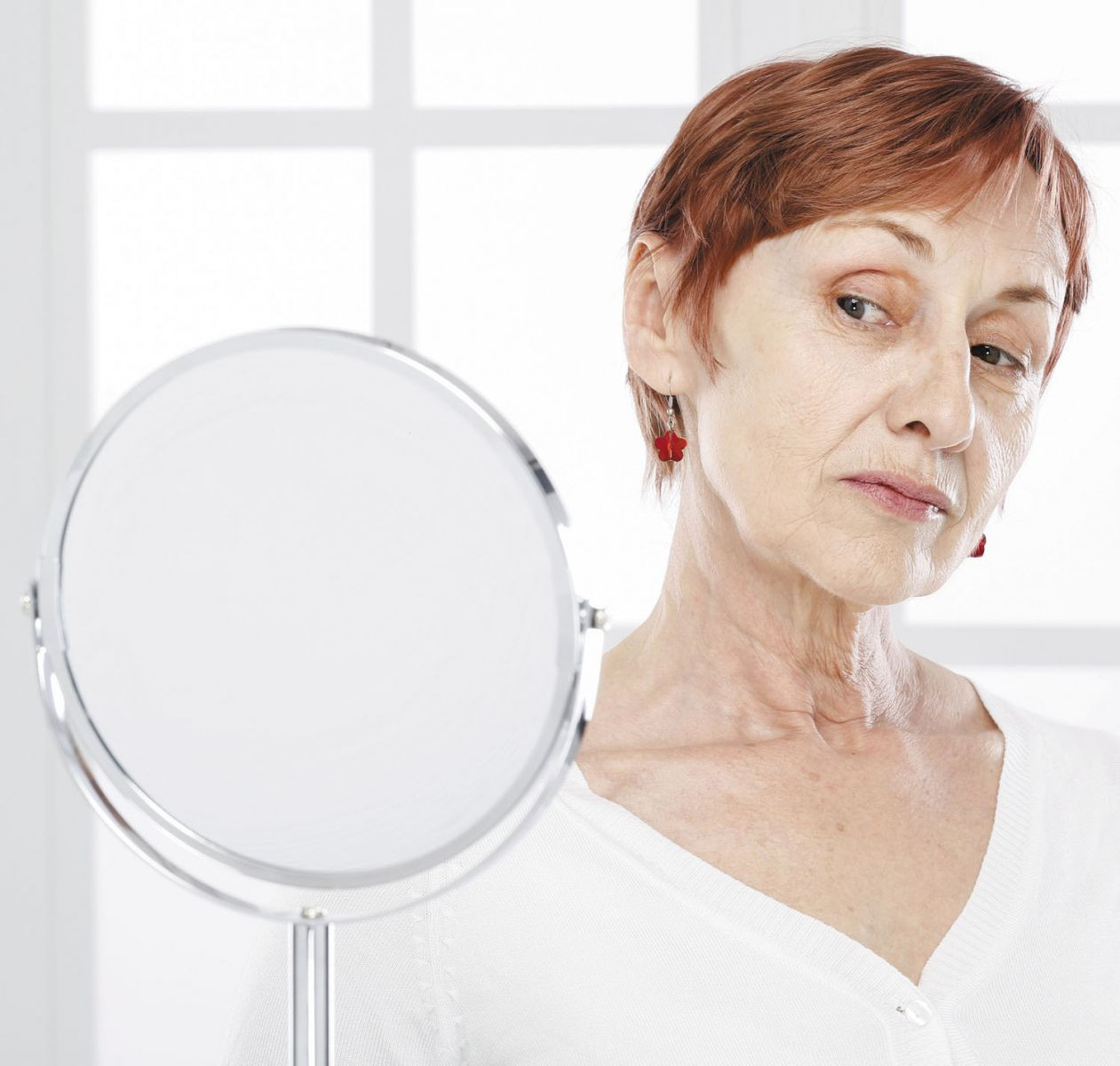
Is that dry skin really something more serious?
Symptoms of dry skin, eczema, contact dermatitis, and psoriasis can overlap.
Image: © Sasha_Suzi/Thinkstock
It's easy to overlook dry skin during the winter, when indoor heating and dry air pull moisture from the skin. But sometimes it's tough to tell if dry skin is a consequence of the season or a sign of a serious condition. "I see a fair number of people who come in with psoriasis or eczema and had just assumed it was dry skin," says Dr. Jason Frangos, a dermatologist at Harvard-affiliated Brigham and Women's Hospital.
Why does skin dry out?
It's not just winter conditions that lead to dry skin; it's also a change in our skin's top layer, or epidermis. This layer is normally thick with naturally occurring fats and oils that act as a barrier to help retain moisture and prevent irritants from entering the skin.

Sexually transmitted disease? At my age?
There's an upswing in cases of chlamydia, gonorrhea, and syphilis in the United States, and it includes older adults.
For as long as humans have engaged in sex, there have been sexually transmitted diseases (STDs). The term STD (which has replaced the older "venereal disease") generally refers to infections that can be transmitted by vaginal, anal, or oral sex. Among them are genital herpes, human papillomavirus, chlamydia, gonorrhea, syphilis, and human immunodeficiency virus (HIV). The CDC estimates there are about 20 million new STD cases every year, but only a fraction of them get reported.
STDs are on the rise in people of all ages. There were more than two million reported cases of chlamydia, gonorrhea, and syphilis in 2016. While the vast majority occurred in teenagers and young adults, there also were significant increases in cases among middle-aged and older adults (see "STDs reported among older adults").

Deterring heart disease if you have diabetes
Lifestyle changes are vital, but new medications may help.
a_namenko; © Halfpoint | Thinkstock; zaretskaya | GettyImages
Two of the most prevalent health problems in this country — type 2 diabetes and heart disease — are closely linked. People with diabetes are more than twice as likely to die from heart disease than those without diabetes. An array of overlapping risk factors (such as being overweight and having high blood pressure and cholesterol levels) probably explains part of this association.
On the plus side, a diet that emphasizes vegetables, fruits, whole grains, lean protein, and healthy fats, coupled with regular moderate exercise (at least 30 minutes daily, most days of the week) can help people dodge the dangers associated with both heart disease and type 2 diabetes. Even so, most people with type 2 diabetes must also take the drug metformin (or other medications) to help reduce their high blood sugar levels, the hallmark of the disease.


Antidepressants not always effective in people with chronic disease
In the journals
Some antidepressants may not offer much relief for people who battle both depression and a chronic disease, according to research in the Nov. 21, 2017, Journal of the American Medical Association.
Nearly half of Americans live with a chronic condition, according to the CDC, and many also suffer from depression, including more than half of Parkinson's disease patients, 41% of cancer patients, and more than 25% of those with diabetes.
Can I avoid macular degeneration?
Ask the doctors
Q. I have a family history of macular degeneration. Is there any way I can prevent it?
A. Macular degeneration is a common eye condition that typically manifests in people over age 50. It damages the macula of the eye, which is located near the center of the retina, and can lead to vision loss. The macula is the part of the eye that helps you see objects that are right in front of you. When this area is damaged, you may see spots or your vision may get blurry or dark. These changes might make it more difficult for you to drive or perform other everyday activities.

Alcohol and age: A risky combination
Most people drink less as they grow older. However, some maintain heavy drinking patterns throughout life, and some develop problems with alcohol for the first time during their later years. The many challenges that can arise at this stage of life — reduced income, failing health, loneliness, and the loss of friends and loved ones — may cause some people to drink to escape their feelings.
Several factors combine to make drinking — even at normal levels — an increasingly risky behavior as you age. Your ability to metabolize alcohol declines. After drinking the same amount of alcohol, older people have higher blood alcohol concentrations than younger people because of such changes as a lower volume of total body water and slower rates of elimination of alcohol from the body. That means the beer or two you could drink without consequence in your 30s or 40s has more impact in your 60s or 70s.

Trouble identifying odors may be an early sign of dementia
In the journals
Image: © Purestock/Thinkstock
If you have persistent trouble detecting or identifying odors, that may be an early sign of dementia, according to a study in the Sept. 25, 2017, Journal of the American Geriatrics Society. Almost 3,000 older adults, ages 57 to 85, who did not have dementia were asked to detect and identify five common odors like peppermint, fish, orange, rose, and leather. Five years later, the researchers found that almost half of those who performed poorly on the smell test (were either unable to detect the odors or unable to identify what the smells were) had been diagnosed with dementia. In comparison, 79% of those who scored high on the smell test did not have dementia.
The results only show an association between poor sense of smell and dementia, but the researchers noted that a smell test could be a simple way to identify high-risk people. It isn't clear how sense of smell and dementia may be linked, but the researchers speculated that underlying causes of dementia, like amyloid plaque buildup and tau tangles in the brain, also may affect the olfactory (sense of smell) system.
Light exposure at night may raise risk for heart disease
Whole grains may improve several heart risk factors at once
A lumbar belt may help ease low back pain
Children of centenarians may stay healthier and live longer too, study finds
Signs of pneumonia: Sometimes vague and unexpected
The surprising link between ovarian cancer and the fallopian tubes
Using a vibration plate: What it can — and can't — do for your body
People who walk more or walk faster live longer, study finds
For sleep apnea, a dental device may be as effective as CPAP
Rosacea treatments: What works?
Free Healthbeat Signup
Get the latest in health news delivered to your inbox!
Sign Up
