

Light exposure at night may raise risk for heart disease

Whole grains may improve several heart risk factors at once

A lumbar belt may help ease low back pain

Children of centenarians may stay healthier and live longer too, study finds

Signs of pneumonia: Sometimes vague and unexpected

The surprising link between ovarian cancer and the fallopian tubes

Using a vibration plate: What it can — and can't — do for your body

People who walk more or walk faster live longer, study finds

For sleep apnea, a dental device may be as effective as CPAP

Rosacea treatments: What works?
Diabetes Archive
Articles
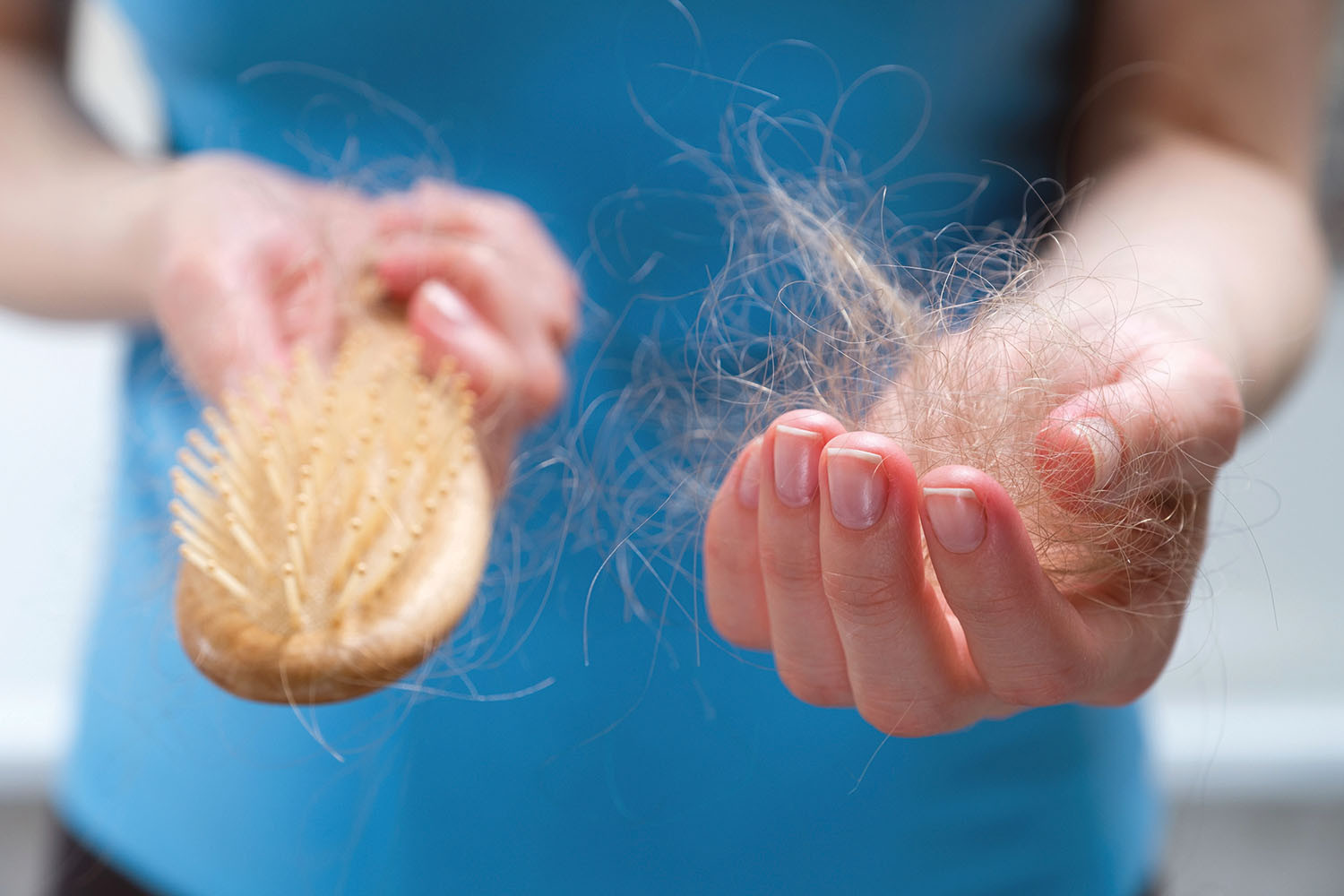
More fallout from COVID-19
Hair loss is common in the months after recovering from COVID-19 infection. It can also happen in people with long COVID or because of mental stress from the pandemic. COVID-related hair loss is a form of telogen effluvium, a condition in which normal hair shedding ramps up after intense physical or mental trauma. Hair regrowth usually takes six to 12 months. People can speed and support hair regrowth by avoiding harsh hair habits, checking nutrient levels, and applying minoxidil (Rogaine) to the scalp.

Enhanced flu vaccine suggested for older adults
Influenza vaccines that contain higher doses and extra ingredients (adjuvants) to boost their effectiveness can provide better protection than the standard flu vaccine for adults ages 65 and older, according to the CDC, and are recommended for the upcoming flu season.

Harvard Health Ad Watch: A new injection treatment for eczema
Existing treatments for a type of eczema called atopic dermatitis include creams and ointments, some containing steroids. An ad for a new injected medication pitches its skin-clearing capability, but that isn't the whole story.

Who needs treatment for ocular hypertension?
High pressure in the eyes puts a person at greater risk of developing glaucoma, but does everyone with higher than normal eye pressure need to be treated? A major long-term study provides some clues.

Palliative care frightens some people: Here's how it helps
Palliative care is a medical specialty meant to help people during many different stages of health. Many people who might benefit from palliative care do not receive it; if more people understand it, more people can take advantage of it.

Proton-pump inhibitors: Should I still be taking this medication?
Proton-pump inhibitors are a commonly prescribed anti-acid medication, but new guidelines from the American Gastroenterological Association recommend that they should be taken at the lowest dose and shortest duration for the condition being treated.

Do you fall down when you stand up?
People with orthostatic hypotension experience a drop in blood pressure when they stand, which increases the risk for falls. Ways to manage the condition include keeping up blood volume by taking in at least 3 liters of fluid and 4 to 6 grams of salt per day; taking medication to alleviate lightheadedness; avoiding hot environments; getting up slowly from a sitting or standing position; and sleeping with the bed on a slant. Someone who feels lightheaded upon standing should sit down immediately. If that's not possible, it may help to tense the muscles.

Hybrid exercise training
Hybrid exercise training combines heart-pumping aerobic action with muscle-strengthening moves in the same exercise session. The strategy has the advantage of meeting two key goals of the federal Physical Activity Guidelines in one fell swoop. And it also appears to be one of the best—and most time-efficient—ways for people who are overweight to lower their risk of cardiovascular-related risk factors. Strong muscles boost a person's basal metabolic rate—the amount of energy the body needs to keep working during rest. That improves weight-loss efforts by ramping up the number of calories burned.

What to do when a diagnosis is elusive
Medically unexplained symptoms, which are not easily deciphered account for many visits to primary care doctors and specialists. Individuals seeking answers should work with closely with their primary care doctors. Strategies such as cognitive behavioral therapy can help people manage stressors that affect physical health.

You don't say? The scoop on ice cream headaches
A cold-stimulus headaches, or "brain freeze," happens after a person eats or drinks something very cold. It causes a sharp pain that centers on the forehead and usually lasts several seconds. Taking smaller bites and chewing slowly can ward off this reaction.
Light exposure at night may raise risk for heart disease
Whole grains may improve several heart risk factors at once
A lumbar belt may help ease low back pain
Children of centenarians may stay healthier and live longer too, study finds
Signs of pneumonia: Sometimes vague and unexpected
The surprising link between ovarian cancer and the fallopian tubes
Using a vibration plate: What it can — and can't — do for your body
People who walk more or walk faster live longer, study finds
For sleep apnea, a dental device may be as effective as CPAP
Rosacea treatments: What works?
Free Healthbeat Signup
Get the latest in health news delivered to your inbox!
Sign Up
