

CoQ10: Should you take this popular supplement if you're on a statin?

Microplastics: A hidden health threat?

Oat vs. dairy milk: Nutrition, benefits, and downsides

What is tempeh? Benefits, nutrition, and how to use it

Healing after food poisoning

Children of centenarians may stay healthier and live longer too, study finds

Light exposure at night may raise risk for heart disease

Whole grains may improve several heart risk factors at once

A lumbar belt may help ease low back pain

Signs of pneumonia: Sometimes vague and unexpected
Contraception and birth control Archive
Articles
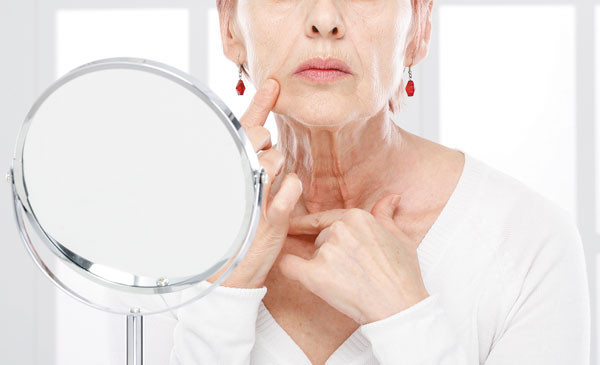
Want to take years off your face? These treatments can rejuvenate your skin
An increasing array of nonsurgical products and procedures aim to reduce the effects of time and sun exposure.
Image: studiokovac/Thinkstock
It's often said that our lives are written on our faces. But if you feel like doing a little editing—erasing a few fine lines, softening a deep furrow, or evening out some patchy spots—there's an increasing array of products and procedures to help rejuvenate skin worn by time and sun exposure. "When it comes to skin treatments, there's lots of good news in therapies for medical conditions as well as cosmetic concerns," says Dr. Kenneth Arndt, adjunct professor of dermatology at Harvard Medical School and medical editor of the Harvard Special Health Report Skin Care and Repair.
A growing population of healthy, active older women who want to look as young as they feel has spurred the development of skin rejuvenation techniques that are more subtle and have much shorter recovery times than facelifts. "It's important to choose your treatments with care and to check and double-check the reputation and accreditation of clinicians performing invasive skin procedures," Dr. Arndt says. You may want to consult a dermatologist to weigh the possible risks and likely benefits of various treatments. Cosmetic procedures aren't covered by insurance, so cost might also be an important factor in choosing a skin rejuvenation procedure.

3 easy ways to boost your brain
Mind-bending puzzles aren't the only route to improving memory and reason. Activities that engage your emotions and senses may be even better.
Image: JDwow /Thinkstock
In the midst of promotions for commercial brain training programs to ward off age-related cognitive decline, a few studies are beginning to indicate that simple pleasures may be even more productive. You may find that doing one of the following is an easier and more rewarding way to boost your brain than doing computer-based exercises.
1. Care for a dog
2. Color a picture
It's little wonder that 12 million adult coloring books—based on topics ranging from endangered species to art nouveau designs—were sold in 2015. Crayon sales also jumped by $11 million. Creating art—even if it means coloring inside the lines—can be both stimulating and relaxing.
Moreover, according to a 2015 German study, actively creating art also improves spatial reasoning. The German researchers randomly assigned 28 retirees in their 60s to two groups, both of which met weekly for 10 weeks. One group took classes in which they drew, sculpted, or painted; the other went to museums and analyzed the art they viewed. Both groups underwent tests and brain MRI scans at the beginning and end of the study. The researchers determined that, compared with the people who analyzed art, those who created art had greater improvement in the ability to detect spatial relationships and more activity in the region of the brain responsible for spatial perception.
3.Play with a child

Electroacupuncture may ease hot flashes, aid sleep in breast cancer survivors
Electroacupuncture may be an effective alternative to medication for relieving hot flashes causing sleep disturbances in postmenopausal women.

Large study indicates racket sports offer best protection against cardiac death
In a large United Kingdom study, regularly practicing racket sports, swimming, or aerobics significantly reduced the risk of dying over eight to 13 years.

Fitness trackers: A path to a healthier heart?
New, improved devices and apps may better guide you to exercise at the right intensity to help your heart.
Image: LDProd /Thinkstock
Perhaps the best-known problem with fitness trackers is that people often retire them to a junk drawer after a few months, once the novelty of using them wears off. But that's not the only shortcoming with these devices, which are typically worn around the wrist or clipped to clothing.
Sure, they'll count your steps, display your heart rate, and even estimate how many calories you've burned—although you'll probably need to sync your tracker with an app on your smartphone, tablet, or computer to see these data. However, very few of the popular free apps of this type are grounded in published evidence. And they don't necessarily follow well-established exercise guidelines. Even if you do meet recommended daily exercise goals—like 30 minutes of brisk walking or 10,000 steps—how do you know if you're really working your heart enough to keep it healthy? And what if you've been sedentary for years or have a chronic medical condition—can an app help you exercise safely?

The family history of cancer
If cancer runs in your family, there is much you can do to recognize your potential risk and catch the disease before it strikes.
Image: filipefrazao/Thinkstock
You may remember stories of your father's military service and your mother's hometown, but how much do you know about your family's medical history? In particular, do you know whether anyone on your mom or dad's side ever had cancer?
"Family history can be one of the first lines of defense in preventing cancer," says Dr. Huma Q. Rana, clinical director of the Center for Cancer Genetics and Prevention at Harvard-affiliated Dana-Farber Cancer Institute.
What are the best ways to treat plantar warts?
Salicylic acid, a prescription-strength medicine, and cryotherapy with liquid nitrogen are common treatments for plantar warts. However, if these do not work, consult with a dermatologist or podiatrist about other options like other injected and topical drugs or laser therapy.

Another way to think about dementia
Vascular dementia is a less prevalent type of memory loss that nonetheless affects many older men.
Image: Mike Watson Images/Thinkstock
While Alzheimer's disease continues to be the most recognized type of dementia, older men should also be mindful about the second most common: vascular dementia.
In vascular dementia, memory problems result from damage to large and small blood vessels in the brain. It develops when cholesterol-clogged blood vessels can't deliver enough oxygen to the brain. Small blockages deprive some brain cells of oxygen, which causes a series of small strokes that kill brain cells. This can lead to episodes of confusion, slurred speech, and problems thinking or remembering.
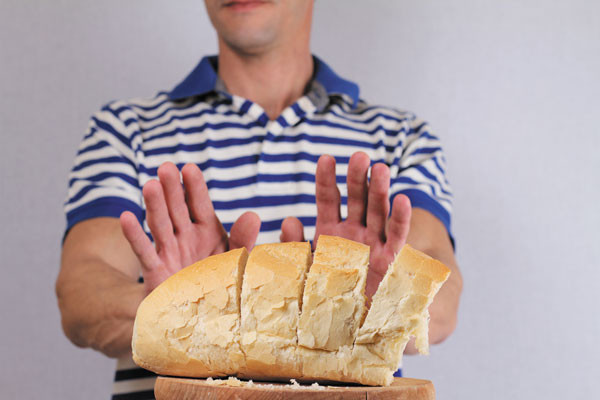
Don’t tolerate food intolerance
Here's what to do when certain foods disagree with you.
Image: ChesiireCat/Thinkstock
You probably remember an occasion when you ate something that did not agree with you. But if your stomach issues have become severe and frequent, you might have a food intolerance.
"Food intolerances puzzle many older men, since foods they long enjoyed suddenly give them problems," says Evagelia Georgakilas, a registered dietitian and nutritionist with Harvard-affiliated Beth Israel Deaconess Medical Center. "They might tough it out and suffer in silence, but by identifying the problem foods, making adjustments in portion sizes, and switching out certain foods as needed, they can avoid painful and recurring digestive issues."

Boning up on osteoporosis
The disease strikes more women, but men are also at risk.
Osteoporosis is often considered a woman's disease, but men also need to be concerned about this bone-weakening condition. About 2 million men have osteoporosis and another 12 million are at high risk, according to the National Osteoporosis Foundation.
In fact, older men have a greater risk for an osteoporosis-related fracture than for getting prostate cancer, and about one in four men older than 50 will break a bone because of osteoporosis during his lifetime.
CoQ10: Should you take this popular supplement if you're on a statin?
Microplastics: A hidden health threat?
Oat vs. dairy milk: Nutrition, benefits, and downsides
What is tempeh? Benefits, nutrition, and how to use it
Healing after food poisoning
Children of centenarians may stay healthier and live longer too, study finds
Light exposure at night may raise risk for heart disease
Whole grains may improve several heart risk factors at once
A lumbar belt may help ease low back pain
Signs of pneumonia: Sometimes vague and unexpected
Free Healthbeat Signup
Get the latest in health news delivered to your inbox!
Sign Up
