

CoQ10: Should you take this popular supplement if you're on a statin?

Microplastics: A hidden health threat?

Oat vs. dairy milk: Nutrition, benefits, and downsides

What is tempeh? Benefits, nutrition, and how to use it

Healing after food poisoning

Children of centenarians may stay healthier and live longer too, study finds

Light exposure at night may raise risk for heart disease

Whole grains may improve several heart risk factors at once

A lumbar belt may help ease low back pain

Signs of pneumonia: Sometimes vague and unexpected
Contraception and birth control Archive
Articles

New approach identifies returning prostate cancer
Researchers have mapped patterns of prostate cancer recurrence following surgery, which may help doctors find the best way to treat men whose cancer has returned. About 30% of men who have prostate cancer surgery will have a recurrence, according to the study in the Journal of Urology.
When is it okay to split medication in half?
Splitting a pill into two equal halves is sometimes necessary when needing to adjust dosage, or as a means to save money buy purchasing higher-dose pills. However, splitting is not safe for all pills, so a person should always consult a pharmacist or doctor.

Looking for a few good men
There are many opportunities to join a clinical trial, and you may be surprised at what you can learn about your health.
Image: ggustavofrazao/Thinkstock
You no doubt have seen advertisements asking people to join a clinical trial and thought they don't apply to you. But perhaps you should reconsider.
"People have a vested interest in the outcome of research trials, since these studies address many issues they want to avoid or better manage, such as cancer, diabetes, blood pressure, and dementia," says Dr. Howard Sesso, an epidemiologist with the division of preventive medicine at Harvard-affiliated Brigham and Women's Hospital.
Shortened radiation therapy may help with low-risk prostate cancer
A new study found that men with low-risk prostate cancer may be able to undergo a shortened course of radiation therapy that cuts treatment by weeks and offers similar outcomes and quality-of-life results as longer treatment courses.
Drugs to prevent heart attacks may also lessen their severity
Medications such as aspirin, statins, ACE inhibitors, and beta blockers are prescribed to certain patients to lower the chance of a first or repeat heart attack. New research shows that they also may reduce the severity of attacks that do occur.
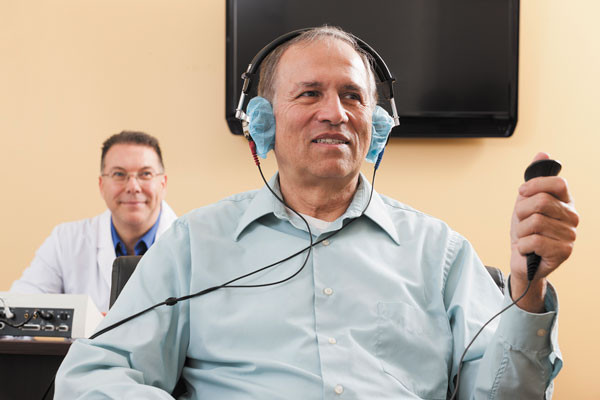
Now hear this: You may need hearing aids
These tiny devices can improve your communication, your relationships, and even your brain function, but only if you use them.
Image: Huntstock/Thinkstock
Age-related hearing loss affects about a quarter of people ages 65 to 74 and half of those ages 75 and older, according to the National Institute on Deafness and Other Communication Disorders. Over all, though, it tends to be more male-oriented.
“By middle age, many men also have hearing nerve damage from long exposure to noises like power tools, music, and guns,” says Dr. Steven Rauch, an otologist with Harvard-affiliated Massachusetts Eye and Ear. Some career choices—like construction, manufacturing, or military service—also contribute.

Screening tests you probably don’t need
Some tests that are widely offered for screening aren't advised for generally healthy people and may lead to unnecessary procedures.
Image: alptv/Thinkstock
You've probably had more than a few screening tests—blood pressure and cholesterol checks, mammograms, Pap smears, and colonoscopies. However, health fairs and clinics often promote screening tests you might not have had. If you've wondered whether they're a worthwhile investment in your health, the United States Preventive Services Task Force (USPSTF) can help you. The USPSTF is a panel of primary care physicians and epidemiologists appointed and funded by the U.S. Department of Health and Human Services. Its role is to develop clinical practice guidelines—recommendations for clinicians about the care of patients with specific conditions. Other health organizations also develop guidelines.
"We've known for some time that there is a wide variation in the way medicine is practiced across parts of the country," says Dr. Mark Aronson, professor of medicine at Harvard Medical School. "Guidelines are based upon the best available research evidence and practice experience and are meant to give guidance to doctors for best practices."

Does cranberry extract prevent UTIs?
Scientific evidence doesn’t support taking cranberry extract to prevent urinary tract infections.
What is vaginal steaming?
There is no scientific evidence to support vaginal steaming, in which a woman sits over a bowl of steaming herb-infused water.
New studies suggest a calcium-rich diet is safe for the heart
A review of 31 studies indicated that calcium intake of 2,500 milligrams or less per day does not increase the risk of developing heart disease in healthy adults.
CoQ10: Should you take this popular supplement if you're on a statin?
Microplastics: A hidden health threat?
Oat vs. dairy milk: Nutrition, benefits, and downsides
What is tempeh? Benefits, nutrition, and how to use it
Healing after food poisoning
Children of centenarians may stay healthier and live longer too, study finds
Light exposure at night may raise risk for heart disease
Whole grains may improve several heart risk factors at once
A lumbar belt may help ease low back pain
Signs of pneumonia: Sometimes vague and unexpected
Free Healthbeat Signup
Get the latest in health news delivered to your inbox!
Sign Up
