

Fatty liver disease: Should you be tested?

Weight-loss drug may lower risk of heart attacks and infections

Testosterone therapy without evidence of deficiency may boost heart risk

Even a little exercise linked with lower stroke risk in people with afib

Antihistamines may not offer meaningful relief from eczema symptoms

What to eat on the DASH diet

Tricep workouts you can do at home

FDA approves first mRNA-based flu vaccine

Migraine: How it's diagnosed and what that means

Mindfulness practices to reduce stress and improve focus
Concentration & Focus Archive
Articles

Monitoring blood pressure at home? Make sure you follow these steps
Your doctor may ask you to track your blood pressure at home to help decide if you need to start taking medication or to track your response to treatment. Here's how to get accurate readings.

Even a little socializing is linked to longevity
In a 2023 study of more than 28,000 older adults, those who reported socializing the most frequently lived the longest, compared with people who said they didn't socialize.

Some obesity-related brain changes similar to those with Alzheimer's
A 2023 study suggests that some brain changes in people with obesity appear similar to those that occur in people with Alzheimer's disease, the most common cause of dementia.

How to recognize and respond to a "warning" stroke
A transient ischemic attack (TIA) can cause a range of unsettling symptoms, including slurred speech or arm weakness. The symptoms appear suddenly but usually last less than five minutes, which is why TIAs are often ignored or missed. However, two of every five people with a suspected TIA who get an appropriate brain imaging test find out that they actually had a stroke. Recognizing the symptoms and seeing emergency care right away is vital. The mnemonic BE-FAST (which stands for balance, eyes, face, arms, speech, and time) was designed to help people identify the symptoms of a TIA or stroke and to act quickly.

Managing stress and eating leafy vegetables may protect the brain
Two studies found that managing stress and eating a plant-based diet with at least seven servings of leafy green vegetables per week can help improve cognitive function and protect against Alzheimer's disease, respectively.

Can varied social interactions boost well-being?
A 2022 study suggested that having diverse social interactions is linked to improved happiness and well-being. In other words, it appears to be helpful to interact with family, friends, acquaintances, and even strangers; the more varied the interactions are, the better.

Eating ultra-processed foods tied to cognitive decline
A 2022 study of 11,000 dementia-free people found that middle-aged participants who ate the most junk food had a faster rate (up to 28%) of cognitive decline, compared with those who ate the least junk food.

Slowing down racing thoughts
Everyone has moments when their brain feels like it's gone haywire. When these racing thoughts take over the mind can't stay focused, feeding into a cycle of anxiety. But there are things you can do to break this cycle and regain control.
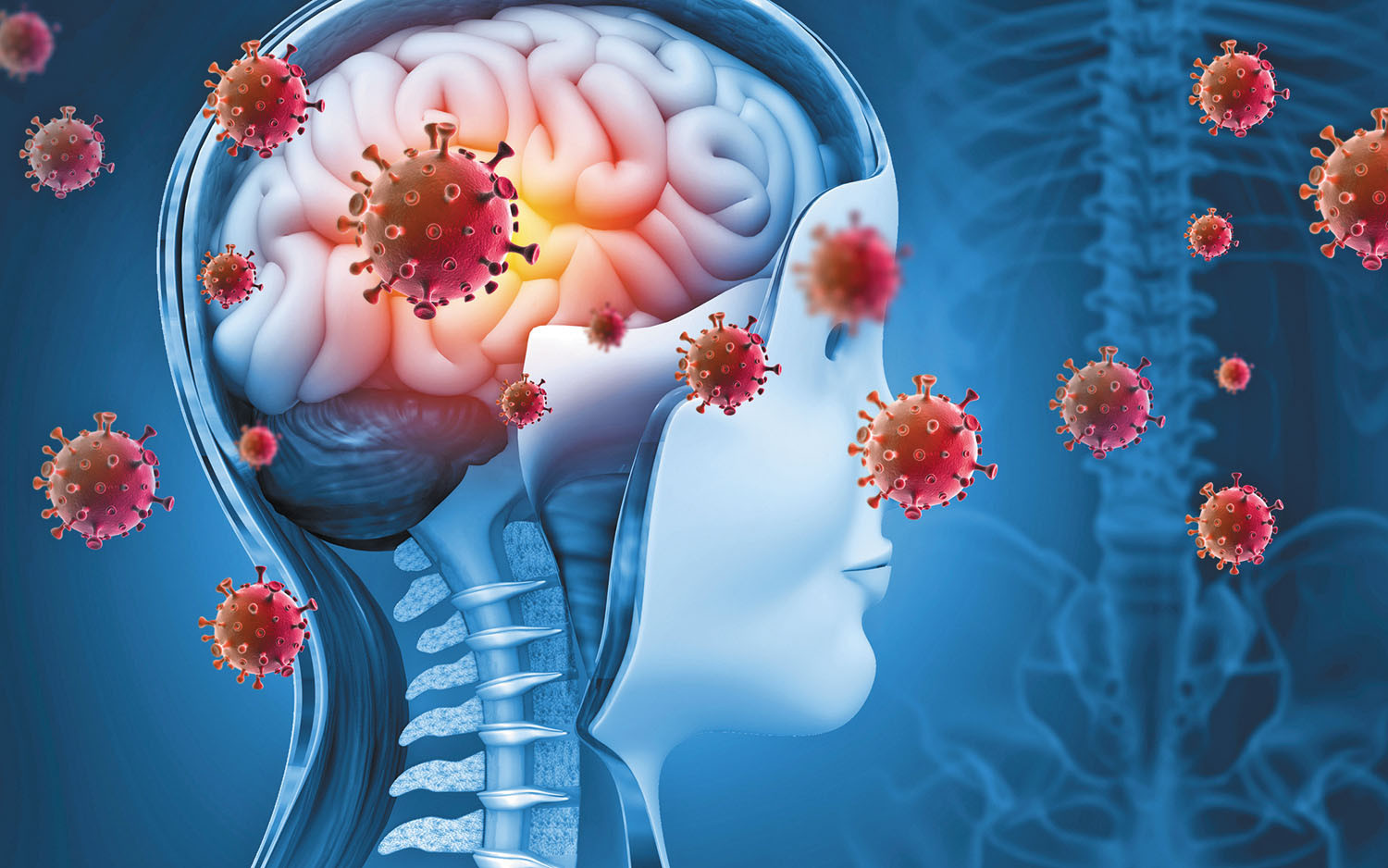
Does COVID-19 damage the brain?
COVID-19 can damage the brain in many ways. Initially, it can cause brain inflammation that causes confusion, difficulty concentrating, and memory problems. COVID also can cause new psychological disorders such as depression or anxiety. It can even cause people to see and hear things that aren't there and to believe things that aren't true. COVID often damages the brain's autonomic nervous system, leading to abnormalities in heart rate and blood pressure. Additionally, the virus that causes COVID can infect and injure the lining of blood vessels and make blood clot more easily, which can lead to strokes and heart attacks.

Short on slumber
Most adults need seven to nine hours of sleep each night, but more than one-third consistently sleep fewer than seven. Reasons for poor sleep include pregnancy, menopausal night sweats, medication use, sleep disorders, and various illnesses. Sleep deprivation can raise the risks for such conditions as diabetes, certain cancers, obesity, dementia, depression, and heart disease. To promote sounder sleep, people can keep consistent sleep-wake schedules, reduce intake of caffeine and alcohol, and avoid using electronic devices before bed.
Fatty liver disease: Should you be tested?
Weight-loss drug may lower risk of heart attacks and infections
Testosterone therapy without evidence of deficiency may boost heart risk
Even a little exercise linked with lower stroke risk in people with afib
Antihistamines may not offer meaningful relief from eczema symptoms
What to eat on the DASH diet
Tricep workouts you can do at home
FDA approves first mRNA-based flu vaccine
Migraine: How it's diagnosed and what that means
Mindfulness practices to reduce stress and improve focus
Free Healthbeat Signup
Get the latest in health news delivered to your inbox!
Sign Up
