

Fatty liver disease: Should you be tested?

Even a little exercise linked with lower stroke risk in people with afib

Testosterone therapy without evidence of deficiency may boost heart risk

Weight-loss drug may lower risk of heart attacks and infections

Migraine: How it's diagnosed and what that means

Tricep workouts you can do at home

Mindfulness practices to reduce stress and improve focus

Antihistamines may not offer meaningful relief from eczema symptoms

Overweight and taking blood pressure medications: Study finds it's a trend that's working

FDA approves first mRNA-based flu vaccine
Caregiving Archive
Articles

DNA testing forever changed donor conception
DNA testing kits can upend identity and spark a multitude of questions for some children conceived with donor sperm and parents who hadn’t shared origin stories.

When someone you love won’t create an advance directive
What if someone you love doesn't have an advance directive? That's common, although the underlying reasons may differ. Basic barriers include thinking that an advance directive isn't needed, not wanting to think about death or serious illness, not wanting to burden people, not knowing enough about advance directives and health care choices, needing help to fill out the forms, and lack of time with the doctor to discuss the matter. A person's ethnic or cultural background can also be a barrier: minorities tend to be more suspicious of health care providers and resistant to talking about or completing advance directives. According to AARP, African Americans in home health care and nursing homes are half as likely as whites to have advance directives.
To deal with this situation, try asking your loved one two simple questions, even if you think you know the answers.


A look at better vision
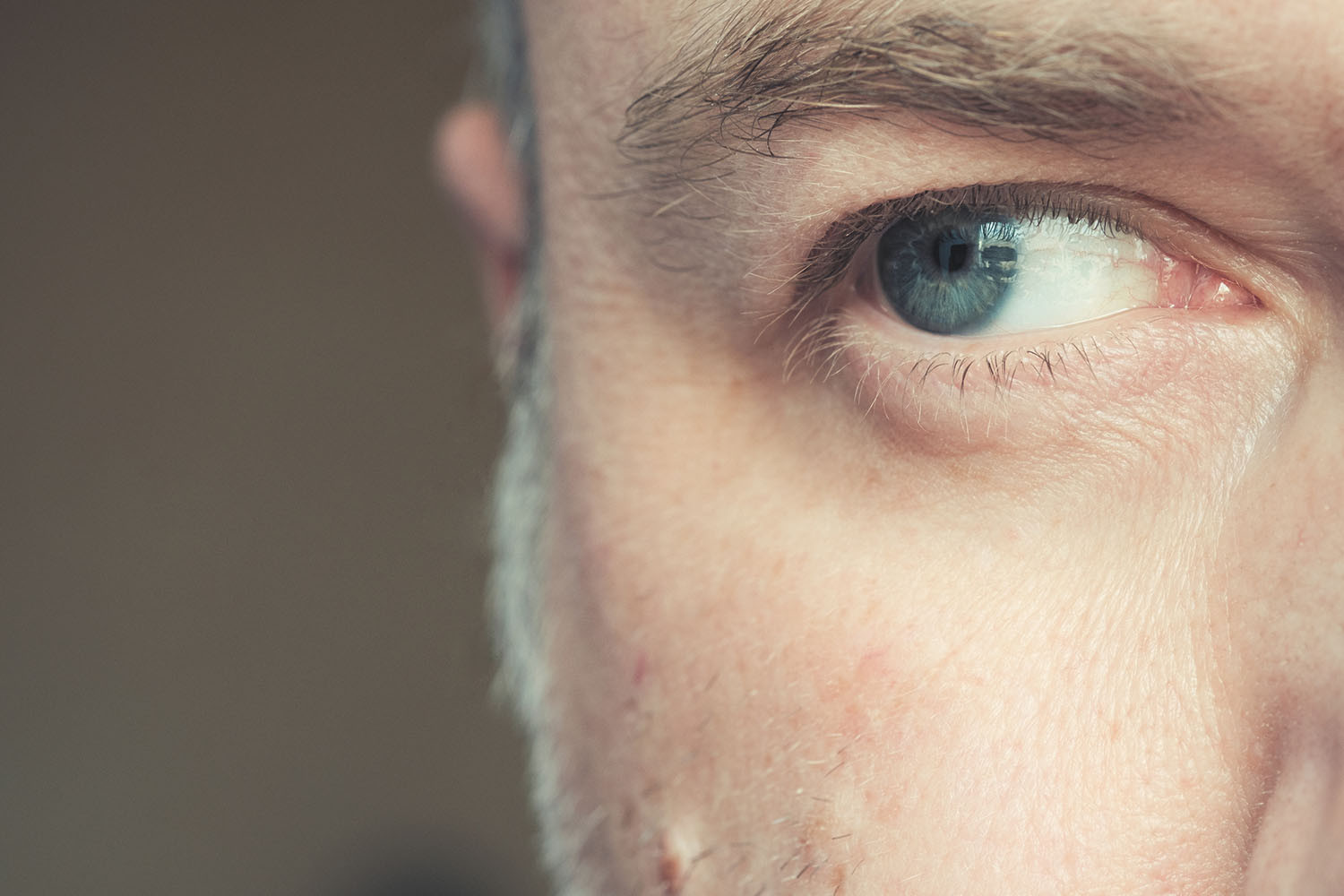
Lens replacement surgery can fix cataracts and eliminate the need for glasses.
There is a good chance you wear some kind of glasses. And there is an even greater chance you one day will need cataract surgery. Now you can take care of both problems at once.
As you age, the lenses inside your eyes lose their flexibility. This process, called presbyopia, leads to the need for reading glasses or bifocal/progressive spectacles as you reach middle age and beyond. Over the years, your lenses also become progressively cloudy, a condition known as cataracts, which causes blurry vision that glasses alone cannot fix.

The larger role of micronutrients
You may need more of them in your daily diet than you think.
The saying goes that good things come in small packages, and that is especially true when it comes to nutrition.
There are two major classes of nutrients in food: macronutrients and micronutrients. Macro means big, and macronutrients take their name from the fact they make up the bulk of the nutrition in the food: carbohydrates, protein, and fat. These nutrients supply your calories and serve as the building blocks for muscles and tissues. Most people get plenty — and sometimes too many — from a regular diet.

Dive in for joint health
Swimming can keep your joints flexible, reduce stiffness, and increase mobility.
When you were a kid, swimming was no doubt a favorite summertime activity. Now, it may be one of the best ways to keep your older joints healthy.
"As a low-impact activity, swimming places minimal stress on the joints," says Sarah Ellison, an aquatic physical therapist with Harvard-affiliated Spaulding Rehabilitation Network. "The buoyancy of the water allows you to move limbs and joints more easily through their normal range of motion. This helps joints remain supple and improves overall flexibility."

A 20-minute nature break relieves stress
In the journals
Spending just 20 minutes connecting with nature can help lower stress hormone levels, according to a study in the April 4, 2019, Frontiers in Psychology. Previous research has shown that interacting with nature reduces stress, but it is not clear how long and how often the engagement needs to be, or even what kind of nature experience is best.
Here, researchers asked 36 people to spend 10 minutes or longer, three days a week for eight weeks, in an outdoor place where they could interact with nature. The settings varied from yards to public parks to green areas near their place of work. They also either walked or sat during their nature time.

Nutrients from food, not supplements, help you live longer
In the journals
An adequate intake of certain nutrients from food, but not supplements, is linked with a lower rate of death, according to a study in the April 9, 2019, Annals of Internal Medicine.
Researchers looked at the relationship between food and supplements and death from all causes among more than 30,000 adults. The results shows that adequate intakes of vitamin K, vitamin A, magnesium, zinc, and copper were associated with a lower risk of death from cardiovascular disease—but only if they came from food and not supplements.
An underused option for severe depression
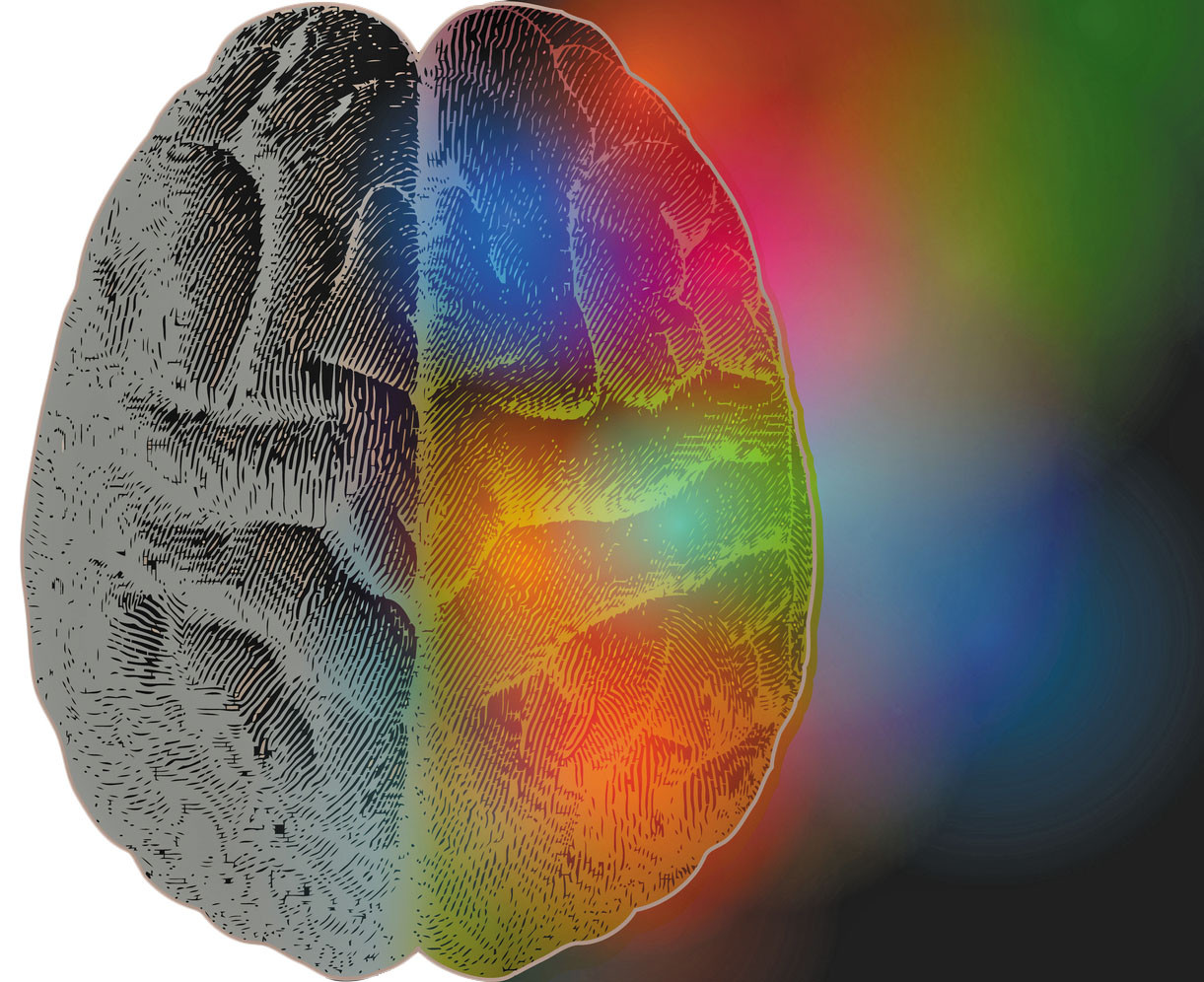
A new study supports the use of noninvasive brain stimulation in people with severe depression who haven't responded to medication.
If medication isn't helping to ease severe depression, nonsurgical brain stimulation may be an effective alternative to consider, according to a study published online March 27 by The BMJ. Specifically, the study found that evidence seems to back the use of repetitive transcranial magnetic stimulation (rTMS) and electroconvulsive therapy (ECT) over other, newer brain stimulation therapies.
"Many psychiatrists are unaware of these techniques, or at least don't think to recommend them for their patients," says Dr. Daniel Press, associate professor of neurology at Harvard Medical School and the clinical director for the Berenson-Allen Center for Noninvasive Brain Stimulation at Beth Israel Deaconess Medical Center. "So, studies like this are helpful in raising the banner and reminding people that these are very effective options for a large percentage of people."
Fatty liver disease: Should you be tested?
Even a little exercise linked with lower stroke risk in people with afib
Testosterone therapy without evidence of deficiency may boost heart risk
Weight-loss drug may lower risk of heart attacks and infections
Migraine: How it's diagnosed and what that means
Tricep workouts you can do at home
Mindfulness practices to reduce stress and improve focus
Antihistamines may not offer meaningful relief from eczema symptoms
Overweight and taking blood pressure medications: Study finds it's a trend that's working
FDA approves first mRNA-based flu vaccine
Free Healthbeat Signup
Get the latest in health news delivered to your inbox!
Sign Up
