

Fatty liver disease: Should you be tested?

Even a little exercise linked with lower stroke risk in people with afib

Testosterone therapy without evidence of deficiency may boost heart risk

Weight-loss drug may lower risk of heart attacks and infections

Migraine: How it's diagnosed and what that means

Tricep workouts you can do at home

Mindfulness practices to reduce stress and improve focus

Antihistamines may not offer meaningful relief from eczema symptoms

Overweight and taking blood pressure medications: Study finds it's a trend that's working

FDA approves first mRNA-based flu vaccine
Caregiving Archive
Articles
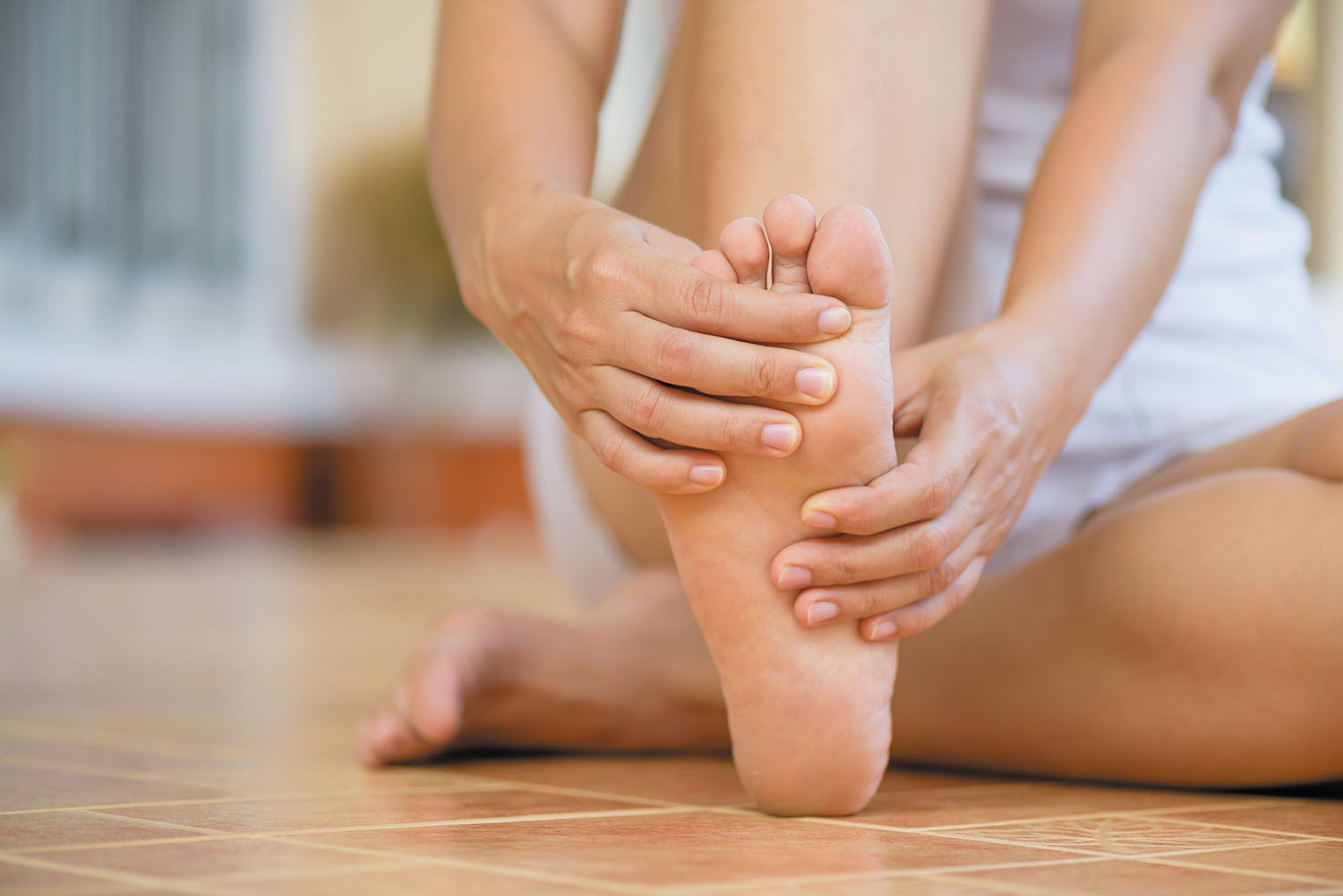
Don’t forget your feet
Women sometimes neglect their feet until they start to experience foot pain and other problems.
Most women get their teeth cleaned at least once a year, keep tabs on their heart, and may even have an annual eye exam. While they might clip and paint their toenails on a regular basis, women often neglect the health of their feet.
That lack of attention can lead to pain and other foot problems, which are common and — for some people — life-altering.

A purpose-driven life may last longer
Study shows an association between a strong sense of purpose in life and a lower risk of death from cardiovascular problems and blood conditions.
If you believe your life has meaning, it could potentially be longer, says a new study published online May 24 by JAMA Network Open.
Study authors found that among a group of nearly 7,000 adults over age 50, those who scored highest on a scale that measured "life purpose" were less likely to die during the study period, and also less likely to die during the same period from heart, circulatory, or blood conditions, compared with those who scored lower.

Heart disease may accelerate cognitive decline
Research we're watching
If you have coronary artery disease, you may be at higher risk for cognitive problems, according to a study published in the June issue of the Journal of the American College of Cardiology. People with coronary artery disease have blockages in the arteries that lead to the heart. When blood flow to the heart is slowed or blocked, the result can be a heart attack or the chest pain known as angina.
Study authors looked to see whether this condition had any effect on thinking skills. They selected people with no history of heart disease and followed them for 12 years, administering three cognitive tests throughout the course of the study. Ultimately, 5.6% of people in the study experienced a heart attack or angina. Researchers found that these people were not more likely to have experienced cognitive decline before their heart episode or immediately after, but were at much higher risk for cognitive decline in the years that followed. It's not clear why this occurred, but the study authors say that doctors should be aware of this risk and should monitor people with coronary artery disease carefully.

Artificial light at night may lead to weight gain
Research we're watching
If you leave lights shining or keep the television on while you sleep, it could affect your waistline, according to a study published online June 10 by JAMA Internal Medicine. The study found an association between exposure to artificial light during sleep and weight gain in women.
The research team looked at questionnaires completed by more than 40,000 women, which asked, among other things, whether the women slept with lights on nearby or in the same room. The researchers also recorded the women's height, body mass index (a measure of weight in relation to height), and waist size at the time they entered the study and then five years later. They found that women who slept with a light or television on in the room were 17% more likely to have gained 11 pounds or more during the course of the study. They did not find a similar effect when women used a small night light or had a light on outside the room that shone in. It's not clear why exposure to artificial light was linked with weight gain, but researchers speculated that it might affect sleep quality.



Talking to your doctor about your LGBTQ+ sex life
Talking about sexuality with a doctor can be uncomfortable. If you identify as LGBTQ+, it's important to find a doctor who is attuned to the specific needs of the LGBTQ+ community. This can make getting proper care easier.

Teens and confidentiality
Offering teens privacy and confidentiality when meeting with a health care provider may allow them to discuss uncomfortable topics –– such as risky behavior, physical concerns, feeling anxious or depressed –– a step toward getting needed information and help.


Do employee wellness programs actually work?
Do employee health programs lead to healthier, more productive employees? A large study shows little or no impact, although results might vary based on workplace, offerings, and other factors.
Fatty liver disease: Should you be tested?
Even a little exercise linked with lower stroke risk in people with afib
Testosterone therapy without evidence of deficiency may boost heart risk
Weight-loss drug may lower risk of heart attacks and infections
Migraine: How it's diagnosed and what that means
Tricep workouts you can do at home
Mindfulness practices to reduce stress and improve focus
Antihistamines may not offer meaningful relief from eczema symptoms
Overweight and taking blood pressure medications: Study finds it's a trend that's working
FDA approves first mRNA-based flu vaccine
Free Healthbeat Signup
Get the latest in health news delivered to your inbox!
Sign Up
