

Fatty liver disease: Should you be tested?

Even a little exercise linked with lower stroke risk in people with afib

Testosterone therapy without evidence of deficiency may boost heart risk

Weight-loss drug may lower risk of heart attacks and infections

Migraine: How it's diagnosed and what that means

Tricep workouts you can do at home

Mindfulness practices to reduce stress and improve focus

Antihistamines may not offer meaningful relief from eczema symptoms

Overweight and taking blood pressure medications: Study finds it's a trend that's working

FDA approves first mRNA-based flu vaccine
Caregiving Archive
Articles

Exercise: Rx for overcoming osteoarthritis
Exercising may be the last thing you want to do when your joints are stiff and achy. But exercise is a crucial part of osteoarthritis treatment in order to ease pain and stay active.
Osteoarthritis is a chronic and progressive disease characterized by loss of the cartilage that covers and protects the ends of the bones where they meet at a joint. Without this protective coating, bone rubs against bone, causing irritation and inflammation. The result is pain and stiffness in the joint and often pain in the muscles and ligaments that surround it.

Trouble keeping information in mind? Could be sleep, mood — or age
Most people experience some degree of decreased memory as they get older, but memory performance is also affected by mood and sleep quality, and these are factors that can be controlled and improved.

By the way, doctor: Is it okay to take ibuprofen p.m.?
Q. I take ibuprofen p.m. on occasion — maybe once a month or so — to help me get to sleep. It seems to work. Is that okay?
A. Ibuprofen p.m. is a combination medication that contains ibuprofen and diphenhydramine, which is the active ingredient in Benadryl, an antihistamine taken for allergies.
On call: Measuring the PSA Is fasting necessary?
Q. I have always had my blood tests taken the first thing in the morning, before I've had breakfast. We've just moved to a new home and I'll have a long commute to the hospital, so I'd like to eat before I start out. My cholesterol has always been great, so my doctor said a light breakfast won't interfere with cholesterol tests. But he didn't know if eating would change my PSA result. What do you think?
A. At last — a PSA question with a simple, un-equivocal answer: Breakfast will not affect your PSA result, nor will lunch or dinner. In June 2005, doctors proved the point by measuring PSA levels three times over the course of a single day in 80 patients with an average age of 62 years. The samples were obtained before breakfast, after breakfast, and after lunch — and there were no changes in the PSA results.

Father’s Day: Tools for coping when celebration brings pain
While Father’s Day gets less sentimental build up than Mother’s Day, it may still bring out intense emotions for many men even if they are not parents themselves.
By the way, doctor: How often should I have a colonoscopy?
Q. How often should a healthy 55-year-old woman have a colonoscopy? Do the benefits outweigh the risk of complications, such as bowel perforation?
A. Colonoscopy is one of several tests used to screen for colorectal cancer, the third most common cancer and cause of cancer mortality (after breast and lung cancer) in American women. In 2018, some 140,000 Americans were diagnosed with the disease, and 50,000 died of it. Experts believe that adequate screening could have prevented perhaps 60% of those deaths.

By the way, doctor: What can I do about excessive belching and feeling full?
Q. I belch a lot and get a feeling of fullness in the upper abdomen. Is excessive belching a common condition? What are the causes and cures? I would prefer natural remedies.
A. Belching and feeling full are normal, everyday experiences. So, what makes them "excessive"? There's no precise definition. But if you start belching or feeling full more often than you have in the past, or if belching and fullness are causing you distress and discomfort, then I'd consider that excessive belching and a problem that you should try to solve.

Cannabis is medicine — don’t make it taste good
The increasing availability of cannabis-containing edibles has fueled debate about their safety. As emergency visits rise for treatment related to edibles, some common-sense thinking about how these products are packaged and sold is needed.

By the way, doctor: Does having ridged and split fingernails mean I'm unhealthy?
Q. I'm 63, and I've begun to notice a decline in the quality of my fingernails. They have numerous up-and-down ridges, and at the tips, they're always splitting. I've heard you can tell a lot about a person's health from the condition of her nails. What does my split nails say about mine?
A. Some changes in nails can be a sign of an underlying health problem, but the lengthwise nail ridging you describe is usually not one. It's simply a common sign of normal aging. The growth of fingernails and toenails slows as we get older, and their appearance may change. Some nails become yellowed or dull and brittle, and some or all may develop tiny longitudinal ridges. Fingernails tend to become thinner and more fragile, while toenails usually become thicker and harder.
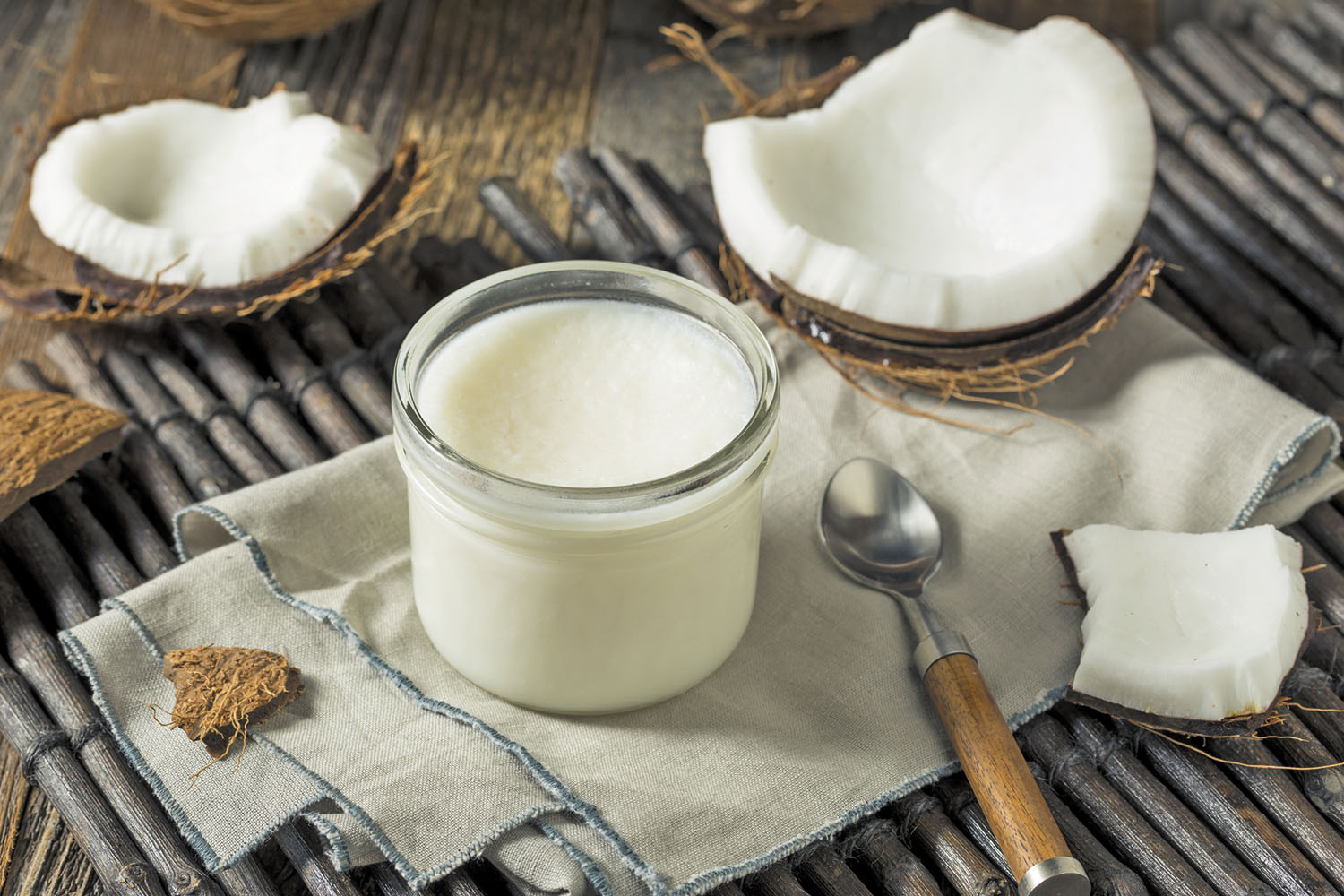
5 food and drink fads you can skip
Trendy isn't necessarily healthy. Consider alternatives instead.
It's fun to try new foods once in a while. But when a flashy food fad gets your attention, be careful. Just because a particular food or drink is showing up everywhere doesn't mean it's healthy. Here are five trends you can probably skip.
1. Vitamin-enhanced water
Vitamin-enhanced waters have names like Propel Vitamin Boost and Vitaminwater, and they promise lots of vitamins (like B, C, and E) and minerals (like magnesium, calcium, and potassium) in every gulp. But don't start guzzling. "There aren't enough nutrients added to these waters to make a difference in your health. I saw one product with 10 milligrams of potassium. The recommendation for daily potassium is 4,700 milligrams per day," says registered dietitian Kathy McManus, director of the Department of Nutrition at Harvard-affiliated Brigham and Women's Hospital. "You'll get more far more nutrients from a healthy diet."
Fatty liver disease: Should you be tested?
Even a little exercise linked with lower stroke risk in people with afib
Testosterone therapy without evidence of deficiency may boost heart risk
Weight-loss drug may lower risk of heart attacks and infections
Migraine: How it's diagnosed and what that means
Tricep workouts you can do at home
Mindfulness practices to reduce stress and improve focus
Antihistamines may not offer meaningful relief from eczema symptoms
Overweight and taking blood pressure medications: Study finds it's a trend that's working
FDA approves first mRNA-based flu vaccine
Free Healthbeat Signup
Get the latest in health news delivered to your inbox!
Sign Up
