

Fatty liver disease: Should you be tested?

Even a little exercise linked with lower stroke risk in people with afib

Testosterone therapy without evidence of deficiency may boost heart risk

Weight-loss drug may lower risk of heart attacks and infections

Migraine: How it's diagnosed and what that means

Tricep workouts you can do at home

Mindfulness practices to reduce stress and improve focus

Antihistamines may not offer meaningful relief from eczema symptoms

Overweight and taking blood pressure medications: Study finds it's a trend that's working

FDA approves first mRNA-based flu vaccine
Caregiving Archive
Articles
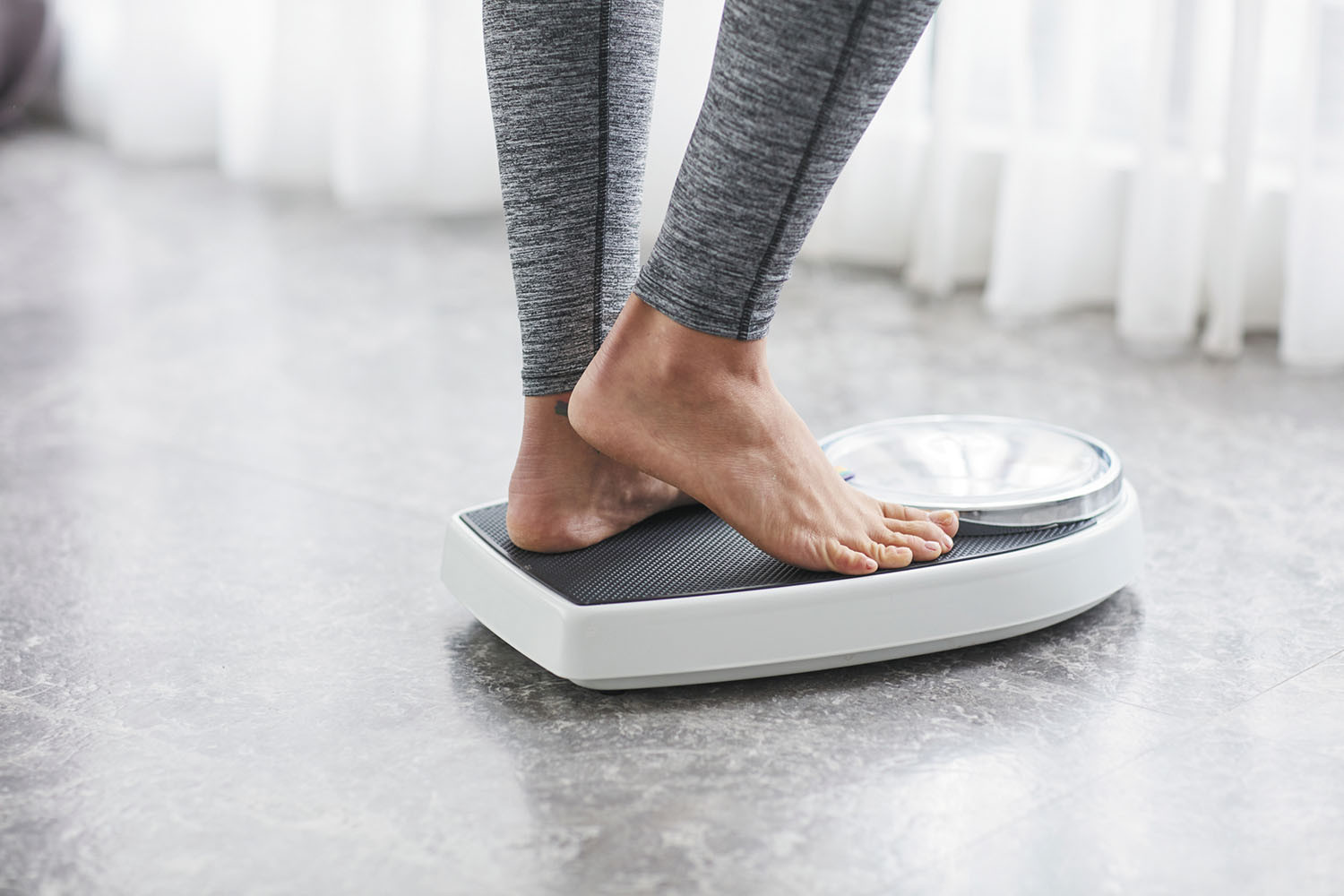
Is lack of exercise a problem if I'm at my ideal weight?
Ask the doctors
Q. I don't need to lose weight, so I don't exercise very often, but I maintain a healthy diet. Could my lack of exercise lead to health problems?
A. Exercise is essential for good health — even if you're not overweight. This point is illustrated by a recent study, published March 1 in The American Journal of Cardiology. It found that 30% of normal-weight people who were sedentary had the same risk of heart attack and stroke as people who were overweight. In short, just being at a healthy weight didn't necessarily ensure that someone was in good health. In addition to having a higher risk of serious cardiovascular events, some inactive but normal weight people were also more likely to have labored breathing during exercise and a larger-than-recommended waist circumference, compared with normal-weight adults who exercised regularly.
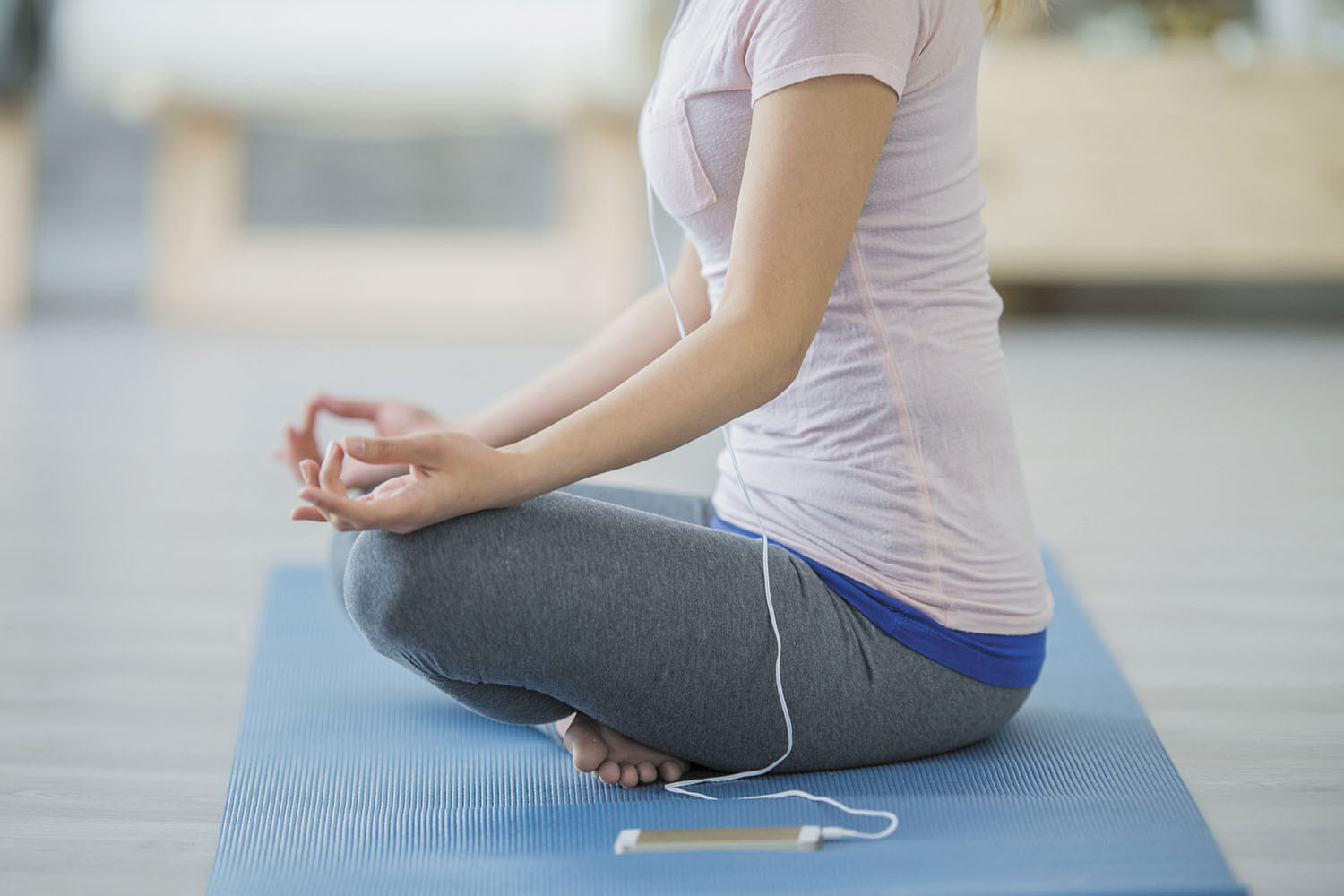
Meditation: There's an app for that
This age-old relaxation method can bring health benefits, and there are many tools to help get you started.
These days it seems like there's an app for almost everything you can do for your health, from tracking your diet and exercise to charting your sleep patterns. So, it's no surprise that there's been a surge in apps to help with meditation, an ancient practice designed to help you focus inward to promote relaxation.
In fact, Apple designated "self-care" — a category that includes meditation, mindfulness, and general wellness — as the 2018 "app trend of the year." This mirrors growing interest in meditation as an overall health strategy, a movement likely driven by a growing body of research showing potential health benefits from the practice.

Sleeping in on the weekend won't help you recover from lost sleep
Research we're watching
Many people skimp on sleep during the week and try to make up for lost time on the weekend. But a study published February 28 in Current Biology shows this strategy won't necessarily reverse the ill effects of sleep deprivation on your body.
The study, conducted in a sleep lab, tested the health effects of three sleep strategies over a two-week period. Participants in one group were allowed to sleep up to nine hours a night. Those in a second group were limited to five hours a night. People in the third group slept five hours nightly during the week, but were allowed to sleep in on Saturday and Sunday.

Healthy individuals don't need low-dose aspirin therapy
Research we're watching
If you're healthy and don't have a history of cardiovascular disease, daily low-dose aspirin is no longer recommended as a preventive measure, says a new guideline released by the American Heart Association and American College of Cardiology. The risks of internal bleeding and other side effects outweigh the benefits of aspirin in this group.
The new guideline, which was based on numerous recent studies, does not apply to people who have had a heart attack or stroke or who have undergone a bypass procedure. The recommendation to take low-dose aspirin therapy in this group is unchanged.
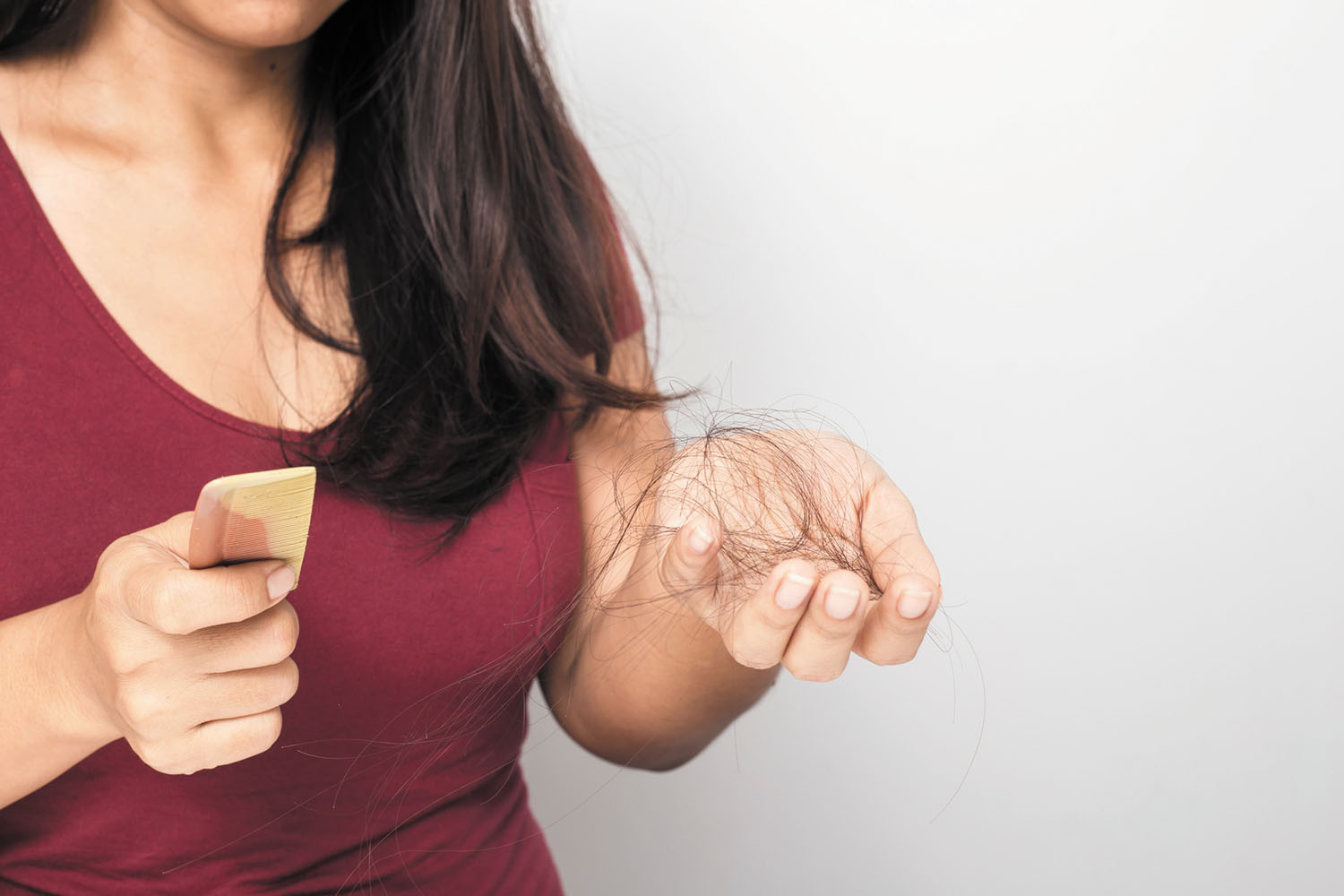
Platelet-rich plasma therapy may help counter balding
Research we're watching
If your hair has been thinning, an infusion of your body's own plasma may help grow it back, according to the American Academy of Dermatology.
A number of recent studies show that platelet-rich plasma (PRP) therapy is successfully regrowing lost hair. This includes a 2018 study in the International Journal of Women's Dermatology that found the technique was beneficial in treating androgenetic alopecia, a type of genetically and hormonally driven hair loss that affects as many as 35% of women by age 60.

Left behind after suicide
People bereaved by a suicide often get less support because it's hard for them to reach out — and because others are unsure how to help.
Every year in the United States, more than 45,000 people take their own lives. Every one of these deaths leaves an estimated six or more "suicide survivors" — people who've lost someone they care about deeply and are left with their grief and struggle to understand why it happened.
The grief process is always difficult, but a loss through suicide is like no other, and the grieving can be especially complex and traumatic. People coping with this kind of loss often need more support than others, but may get less. There are various explanations for this. Suicide is a difficult subject to contemplate. Survivors may be reluctant to confide that the death was self-inflicted. And when others know the circumstances of the death, they may feel uncertain about how to offer help. Grief after suicide is different, but there are many resources for survivors, and many ways you can help the bereaved.

Moisturizers: Do they work?
There are lots of dubious claims and mysterious ingredients, but yes, by trapping water, moisturizing can help with dry skin.
Dry skin by itself isn't a medical worry, although serious cases can result in cracks and fissures that invite infection and inflammation. The real issue is discomfort — dry skin can be sore, tender to the touch, and often itchy (although not all itchy skin is dry). There's also the red, rough, scaly appearance lamented in many advertisements for moisturizers.
This is one problem that hasn't suffered from lack of attention: there are dozens of creams and lotions for dry skin. They are sold as moisturizers, which is more of a marketing term than a medical or scientific one. Indeed, routine skin care is a realm where there's little science to be found. Well-controlled studies of ingredients are few and far between. Companies keep information about ingredients proprietary and are careful to limit claims for what the products do to stay within FDA rules.

Ask the doctor: Are raw oats better than cooked oats?
Q. My family has squabbled about oats for some time. Some members say that to get the biggest health benefit from oats you need to eat them raw, at room temperature, and moistened with water. Others say they should be cooked. Does cooking take something beneficial out of oats? Can you bring us some peace at breakfast time?
A. Eating a bowl of raw oats "moistened with water" doesn't sound all that appetizing. And I am not sure it makes sense from a nutrition perspective. Normal cooking takes little away from oats. In fact, cooking helps release some nutrients that your body can't extract from raw oats.


Exercise after age 70
There are no official fitness guidelines for older adults, but the basic exercises for senior are the same at every age.
The average 65-year-old can expect to reach her 85th birthday, and the average 75-year-old will live to age 87. How we'll celebrate those birthdays — as the life of the party or immobilized on the sidelines — has a lot to do with how we spend our time today. Although none of us can be certain that we'll be spared debilitating disorders that could rob us of our mobility, there's no doubt that regular exercise will help improve our ability to function at almost any age or level of fitness.
Fatty liver disease: Should you be tested?
Even a little exercise linked with lower stroke risk in people with afib
Testosterone therapy without evidence of deficiency may boost heart risk
Weight-loss drug may lower risk of heart attacks and infections
Migraine: How it's diagnosed and what that means
Tricep workouts you can do at home
Mindfulness practices to reduce stress and improve focus
Antihistamines may not offer meaningful relief from eczema symptoms
Overweight and taking blood pressure medications: Study finds it's a trend that's working
FDA approves first mRNA-based flu vaccine
Free Healthbeat Signup
Get the latest in health news delivered to your inbox!
Sign Up
