

CoQ10: Should you take this popular supplement if you're on a statin?

Microplastics: A hidden health threat?

Oat vs. dairy milk: Nutrition, benefits, and downsides

What is tempeh? Benefits, nutrition, and how to use it

Healing after food poisoning

Children of centenarians may stay healthier and live longer too, study finds

Light exposure at night may raise risk for heart disease

A lumbar belt may help ease low back pain

Whole grains may improve several heart risk factors at once

Signs of pneumonia: Sometimes vague and unexpected
Caregiving Archive
Articles

More evidence that exercise can boost mood
Running for 15 minutes a day or walking for an hour reduces the risk of major depression, according to a recent study.
It may be possible to outrun depression, according to a study published online January 23 by JAMA Psychiatry.
"We saw a 26% decrease in odds for becoming depressed for each major increase in objectively measured physical activity," says study author Karmel Choi, a clinical and research fellow at the Harvard T.H. Chan School of Public Health. "This increase in physical activity is what you might see on your activity tracker if you replaced 15 minutes of sitting with 15 minutes of running, or one hour of sitting with one hour of moderate activity like brisk walking."

Chronic inflammation may put your brain at risk
Research we're watching
Not only might chronic inflammation affect your heart health, but it could also lead to cognitive decline, according to a study published in the February issue of Neurology. Researchers measured inflammation in more than 12,000 middle-aged adults, assigning each a composite score using four inflammation-related biomarkers found in the blood. They then assessed the cognitive function of the participants in three separate visits over the next 20 years. They found that after adjusting for demographic and other variables, inflammation appeared to be associated with increased cognitive decline. People in the study who had higher inflammation scores experienced 7.8% greater cognitive decline when compared with study participants who had lower scores.
Image: © ChrisGorgio/Getty Images
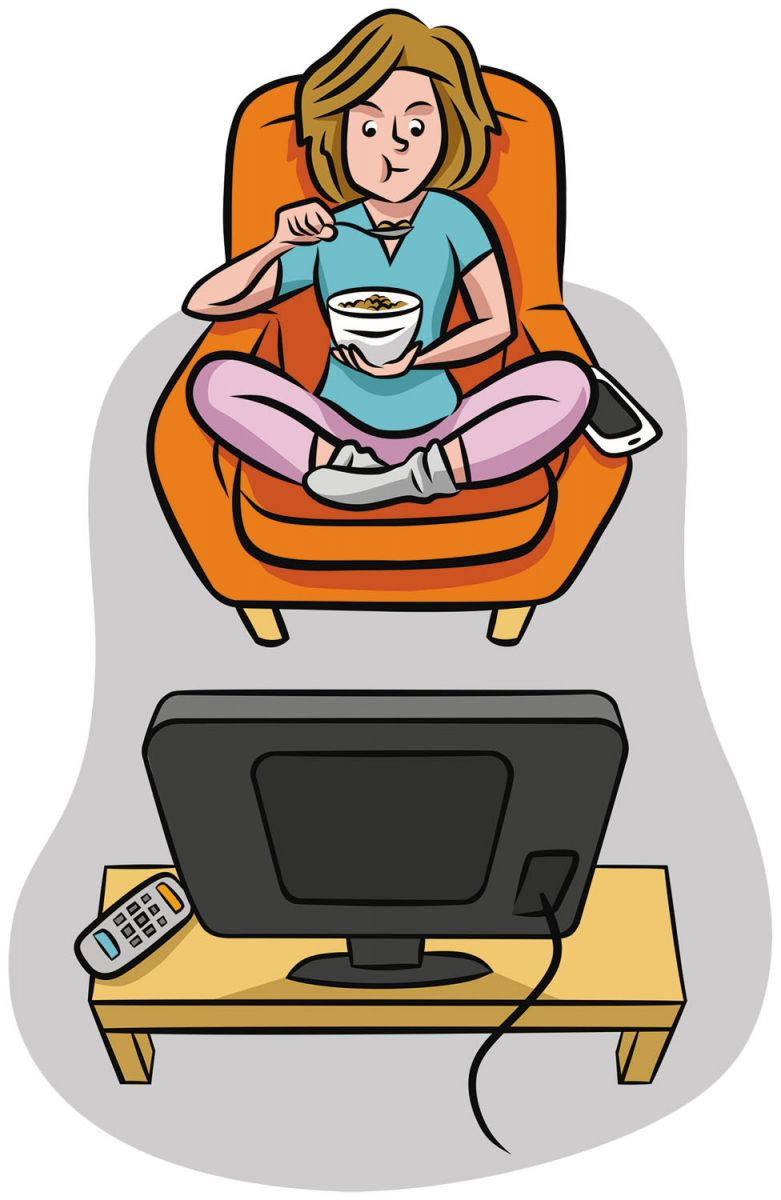
Even brief periods of movement can reverse the harmful effects of sitting
Research we're watching
You've probably heard that it's harmful to your health to spend too much time sitting around. But a study published January 14 in the American Journal of Epidemiology shows that it may be possible to reverse some of that harm by engaging in short periods of movement throughout the day.
Researchers recruited 8,000 people ages 45 and older and asked them to wear an activity monitor for a week. The device tracked them throughout the day to see how much they sat and how much they moved.

Mother’s Day: Tools for coping when celebration brings pain
Mother’s Day is meant to be a day of celebration. But for many women it can also be a day of discomfort. Tools for coping may make this easier to manage.





By the way, doctor: Does carbonated water harm bones?
ARCHIVED CONTENT: As a service to our readers, Harvard Health Publishing provides access to our library of archived content. Please note the date each article was posted or last reviewed. No content on this site, regardless of date, should ever be used as a substitute for direct medical advice from your doctor or other qualified clinician.
Q. I've heard that club soda, seltzer water, and sparkling mineral waters rob the bones of calcium. Is this true?
CoQ10: Should you take this popular supplement if you're on a statin?
Microplastics: A hidden health threat?
Oat vs. dairy milk: Nutrition, benefits, and downsides
What is tempeh? Benefits, nutrition, and how to use it
Healing after food poisoning
Children of centenarians may stay healthier and live longer too, study finds
Light exposure at night may raise risk for heart disease
A lumbar belt may help ease low back pain
Whole grains may improve several heart risk factors at once
Signs of pneumonia: Sometimes vague and unexpected
Free Healthbeat Signup
Get the latest in health news delivered to your inbox!
Sign Up
