

Fatty liver disease: Should you be tested?

Even a little exercise linked with lower stroke risk in people with afib

Testosterone therapy without evidence of deficiency may boost heart risk

Weight-loss drug may lower risk of heart attacks and infections

Migraine: How it's diagnosed and what that means

Tricep workouts you can do at home

Mindfulness practices to reduce stress and improve focus

Antihistamines may not offer meaningful relief from eczema symptoms

Overweight and taking blood pressure medications: Study finds it's a trend that's working

FDA approves first mRNA-based flu vaccine
Caregiving Archive
Articles

Tips for better bowel control
Try simple measures first, like using a fiber supplement and treating underlying conditions.
Nobody wants to talk about or even imagine it. But loss of bowel control — known as fecal incontinence — is a problem for millions of adults in the United States, especially women.
"It becomes more common with age. It's socially isolating and takes away your dignity. You live in fear that you have stool in your pants and people can smell it. Some people won't even tell their doctors about it," says Dr. Kyle Staller, a gastroenterologist at Harvard-affiliated Massachusetts General Hospital.

Beer-before-wine strategy doesn't hold water
News briefs
Ever hear the saying that drinking beer before wine can reduce hangover symptoms? It's just a myth, according to a small randomized study published Feb. 1, 2019, in The American Journal of Clinical Nutrition. Researchers found out by dividing 90 men and women (ages 19 to 40) into four groups. One group drank beer first, and then wine; another group drank wine first, and then beer; and the last two groups drank only beer or only wine. All of the participants drank until they were intoxicated (measured by a breath test), and then rated their hangover symptoms (like headache and nausea) on the day after drinking. The process was repeated a week later, but this time the beer-first group drank wine first; the wine-first group drank beer first; the wine-only group drank only beer; and the beer-only group drank only wine. The results: everyone experienced hangovers, no matter what they drank or the order in which they drank it. The strongest predictors for hangover intensity were perceived drunkenness and vomiting. The bottom line: Drinking too much is unhealthy for anyone. If you drink at all, drink in moderation. That means no more than one drink per day for women, no more than two drinks per day for men.
Image: © draghicich/Getty Images

Get healthy for vacation
Don't neglect healthy habits when planning your summer travels.
Before you leave for summer vacation, don't forget to pack some good health.
"While you should follow healthy habits year-round, you should give extra attention to certain areas when you travel, since you are often more active than usual," says Dr. Wynne Armand, a primary care physician at Harvard-affiliated Massachusetts General Hospital.

Breathing lessons
Learning to "belly breathe" helps ease your body's response to stress and tension.
The average person takes between 17,000 and 23,000 breaths per day, but there is a good chance we don't always breathe the right way. Chalk it up to how we deal with stress.
"When we feel something as a threat, our fight-or-flight response automatically kicks in," says Dr. Katherine Rosa, with the Harvard-affiliated Benson-Henry Institute for Mind Body Medicine. "Our breathing becomes more rapid and shallow and our hearts beat faster, all of which prepares us to run away from the threat."

A flexible way to stretch
Flexibility can decline as you age and raise your risk of injury. A daily stretching routine can help.
As you age, it's normal to become less limber. Your muscles shrink and your tendons lose their water content, which makes your body stiffer. But add in less activity from a sedentary lifestyle and your lack of flexibility can become even worse.
"When you sit too much and don't move around, the muscles in your hips, legs, and calves get tighter," says Dr. Lauren Elson of the Physical Medicine and Rehabilitation Department at Harvard-affiliated Spaulding Rehabilitation Hospital, and faculty editor for Harvard Health Publishing's special reports, Stretching and Starting to Exercise.
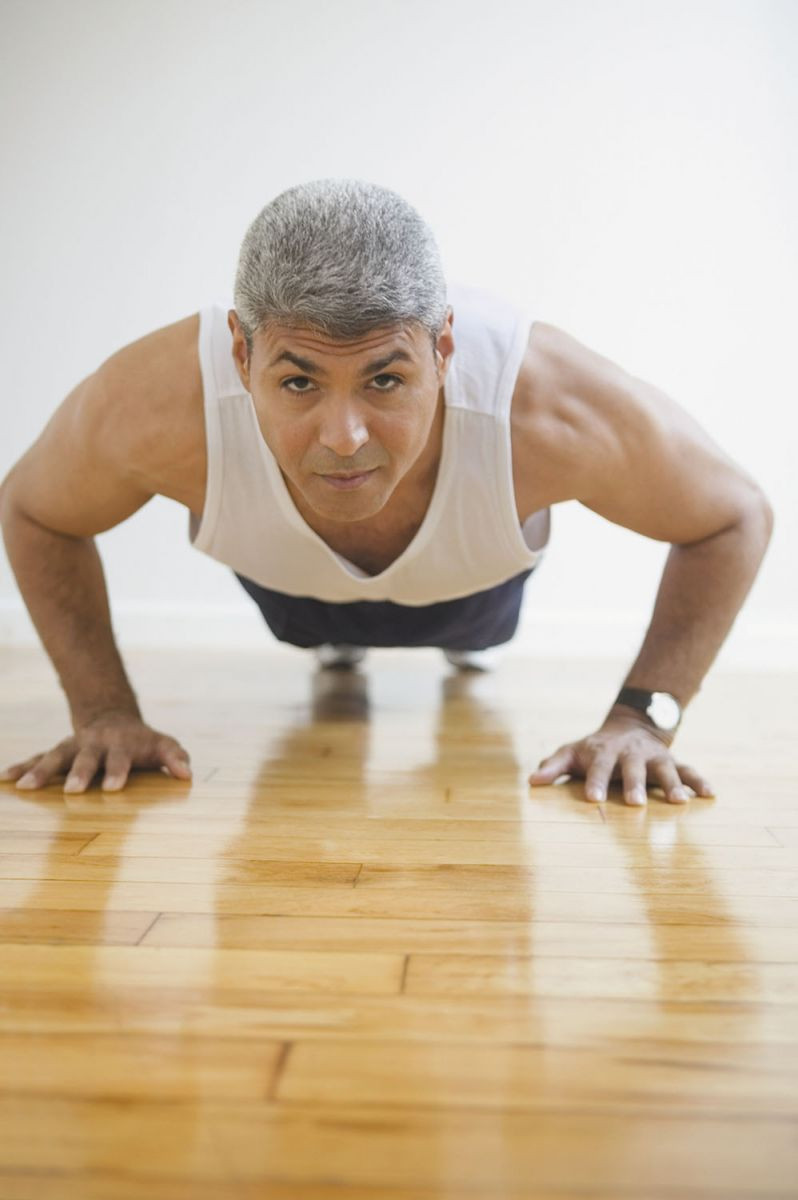
More push-ups may mean less risk of heart problems
In the journals
How many push-ups can you do in a minute? The number may predict your risk of heart disease, suggests a study published online Feb. 15, 2019, by JAMA Network Open.
Harvard researchers analyzed data from 1,104 healthy firefighters, average age 40, who did not have cardiovascular disease. Each man performed as many push-ups as possible in one minute. The men also had treadmill tests to measure their cardiovascular health and aerobic fitness. After 10 years, the researchers found that the men who had originally performed the most push-ups were least likely to get heart disease.

Eating more ultra-processed foods may shorten life span
In the journals
Need another reason to monitor your intake of ultra-processed foods? Cutting down on your amounts could help you live longer.
In an observational study published online Feb. 11, 2019, by JAMA Internal Medicine, almost 45,000 adults ages 45 and older completed several dietary assessments over a two-year period. On average, ultra-processed foods made up about 15% of their daily diet as measured in grams.
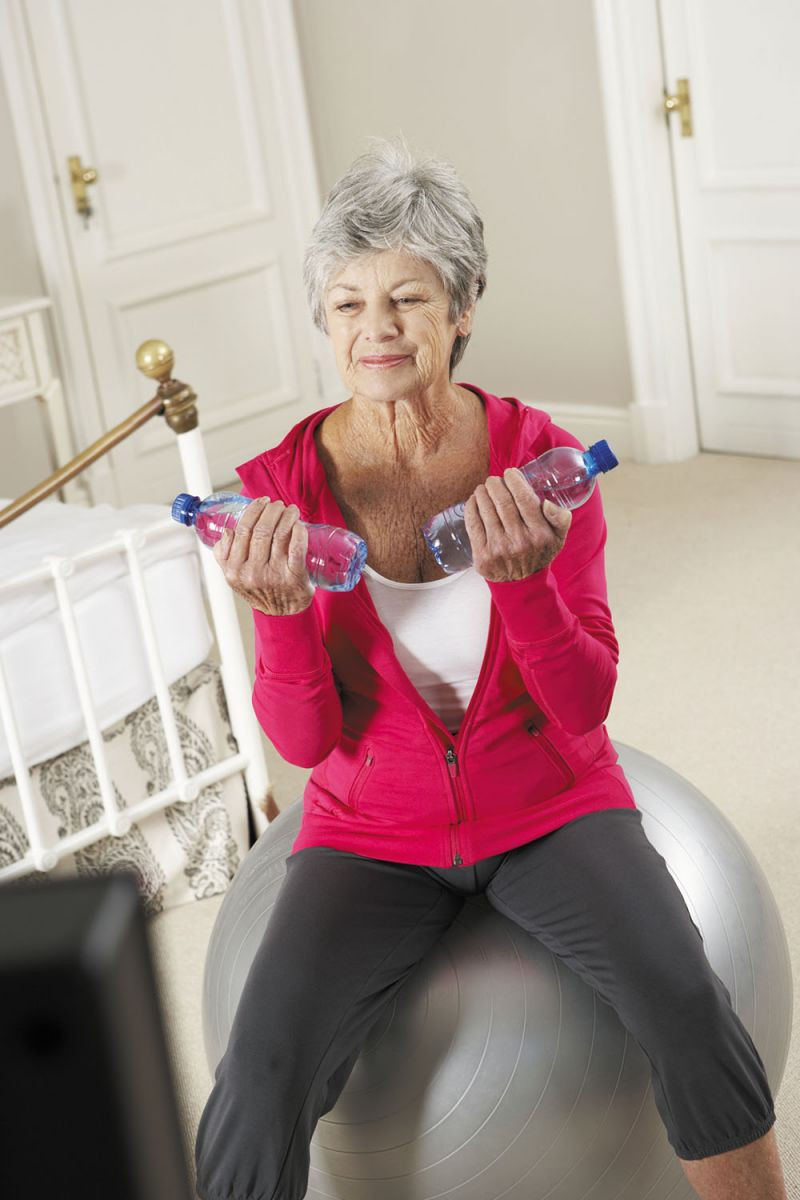
Do short bursts of exercise help?
Ask the doctors
Q. I recently read that I don't need to exercise all at once during the day to get health benefits. Is this true?
A. It's true — at least according to the newest version of the Physical Activity Guidelines for Americans published by the U.S. Department of Health and Human Services (HHS).
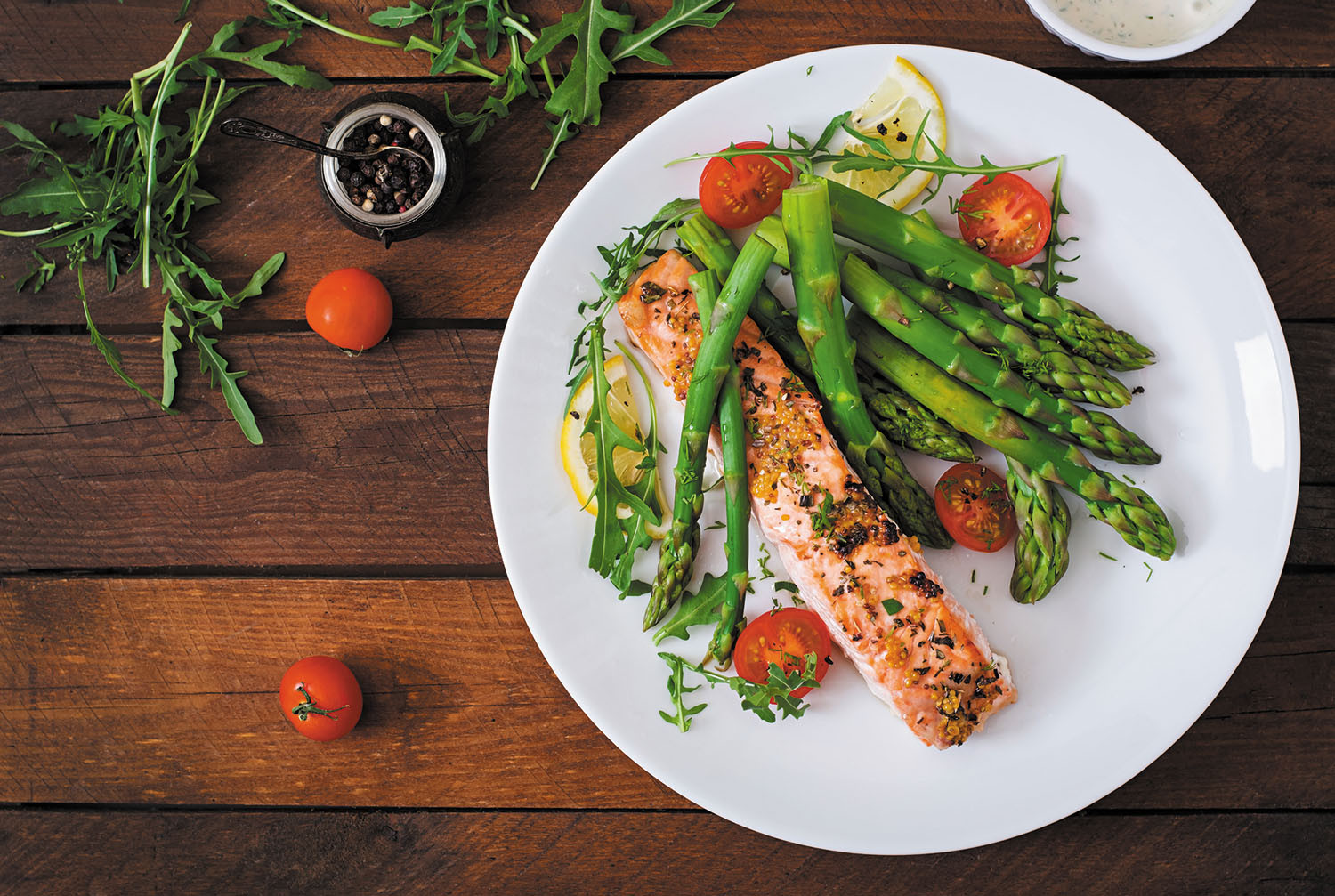
Fried foods linked to earlier death
Healthier options, such as baking, can offer similar taste without the health drawbacks.
Fried foods are crunchy, crispy, and tasty, but as tempting as they are, eating them too often might shave years off your life.
A study published online January 23 by The BMJ found that women who ate one or more servings of fried chicken daily were 13% more likely to die prematurely from any cause and 12% more likely to die from heart-related causes than women who didn't eat any fried food.
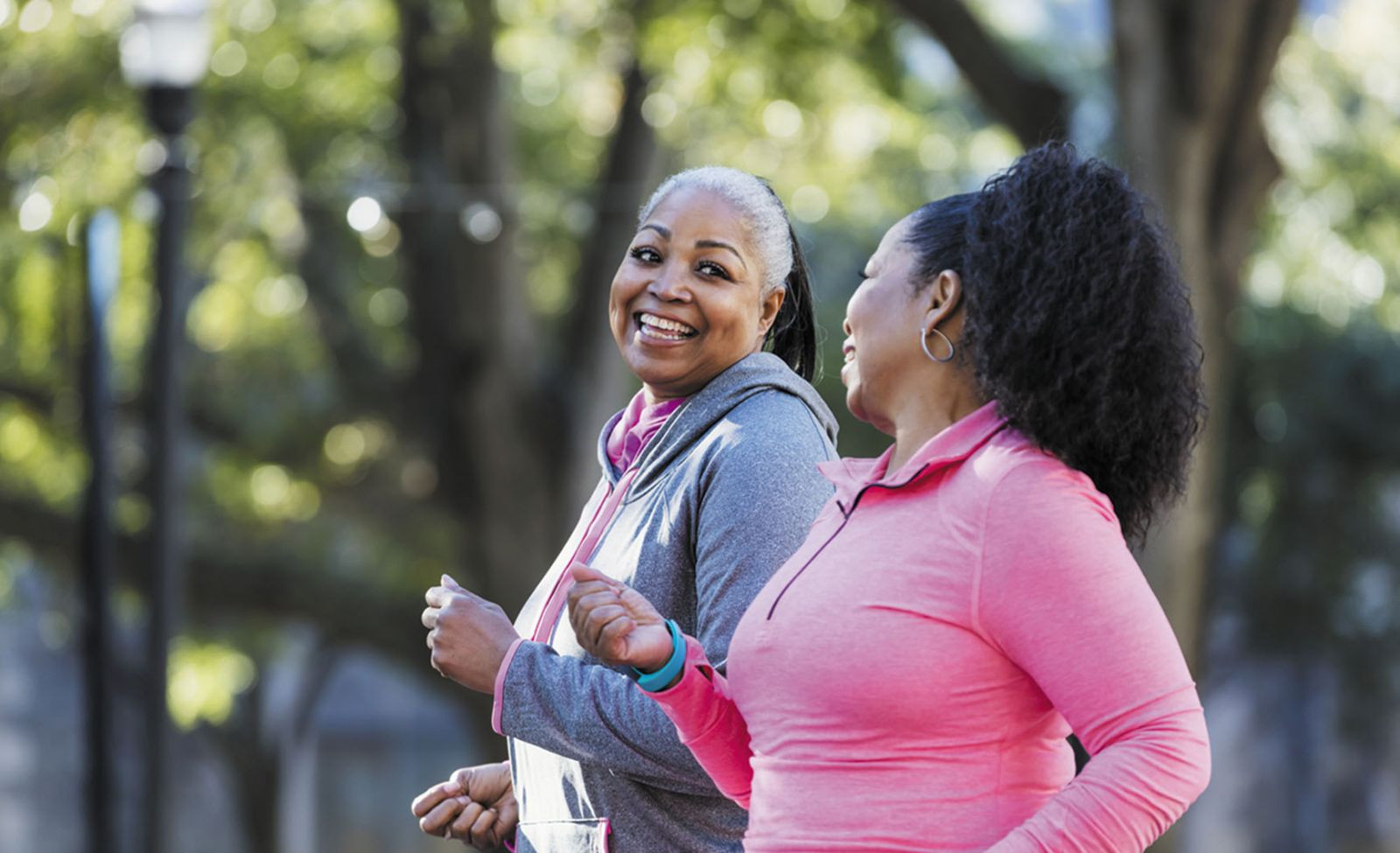
More evidence that exercise can boost mood
Running for 15 minutes a day or walking for an hour reduces the risk of major depression, according to a recent study.
It may be possible to outrun depression, according to a study published online January 23 by JAMA Psychiatry.
"We saw a 26% decrease in odds for becoming depressed for each major increase in objectively measured physical activity," says study author Karmel Choi, a clinical and research fellow at the Harvard T.H. Chan School of Public Health. "This increase in physical activity is what you might see on your activity tracker if you replaced 15 minutes of sitting with 15 minutes of running, or one hour of sitting with one hour of moderate activity like brisk walking."
Fatty liver disease: Should you be tested?
Even a little exercise linked with lower stroke risk in people with afib
Testosterone therapy without evidence of deficiency may boost heart risk
Weight-loss drug may lower risk of heart attacks and infections
Migraine: How it's diagnosed and what that means
Tricep workouts you can do at home
Mindfulness practices to reduce stress and improve focus
Antihistamines may not offer meaningful relief from eczema symptoms
Overweight and taking blood pressure medications: Study finds it's a trend that's working
FDA approves first mRNA-based flu vaccine
Free Healthbeat Signup
Get the latest in health news delivered to your inbox!
Sign Up
