

Fatty liver disease: Should you be tested?

Even a little exercise linked with lower stroke risk in people with afib

Testosterone therapy without evidence of deficiency may boost heart risk

Weight-loss drug may lower risk of heart attacks and infections

Migraine: How it's diagnosed and what that means

Tricep workouts you can do at home

Mindfulness practices to reduce stress and improve focus

Antihistamines may not offer meaningful relief from eczema symptoms

Overweight and taking blood pressure medications: Study finds it's a trend that's working

FDA approves first mRNA-based flu vaccine
Caregiving Archive
Articles

Bedtime screen time may reduce sleep quality
Research we're watching
Is your smartphone reducing your sleep quality? The National Sleep Foundation's most recent Sleep Health Index found that people who used technology such as phones, tablets, or computers in bed before they went to sleep scored lower on measures of sleep quality than those who didn't. Nearly 50% of American adults polled said they used technology in bed at least once a week, and nearly 30% said they did so every day. Some 21% of adults even said if they woke up during the night they would check their devices before going back to sleep. The National Sleep Foundation says to ensure the best sleep quality, it's best to leave digital distractions for the daytime hours and keep them out of bed.
Image: © Sisoje/Getty Images

Red and processed meats raise colorectal cancer risk
Research we're watching
If your diet is heavy on red and processed meat, it might be time to make some adjustments. A study of nearly 500,000 people published in the April 17 International Journal of Epidemiology found that people who ate red or processed meat four or more times a week had a 20% higher risk of colorectal cancer than those who indulged less than twice a week. Risk of colorectal cancer rose 19% for every daily 25-gram serving of processed meat, which is equivalent to a slice of ham. And for every 50-gram-a-day serving of red meat — equal to a thick piece of roast beef — risk of colorectal cancer rose by 18%. Alcohol was also linked to a higher risk of colon cancer: just a half pint of beer per day increased colon cancer risk by 8%.
But the study wasn't all bad news. A number of foods were associated with a lower risk of colon cancer, including high-fiber selections such as bread and breakfast cereals. But higher fiber intake from vegetables and fruits did not appear to reduce risk.
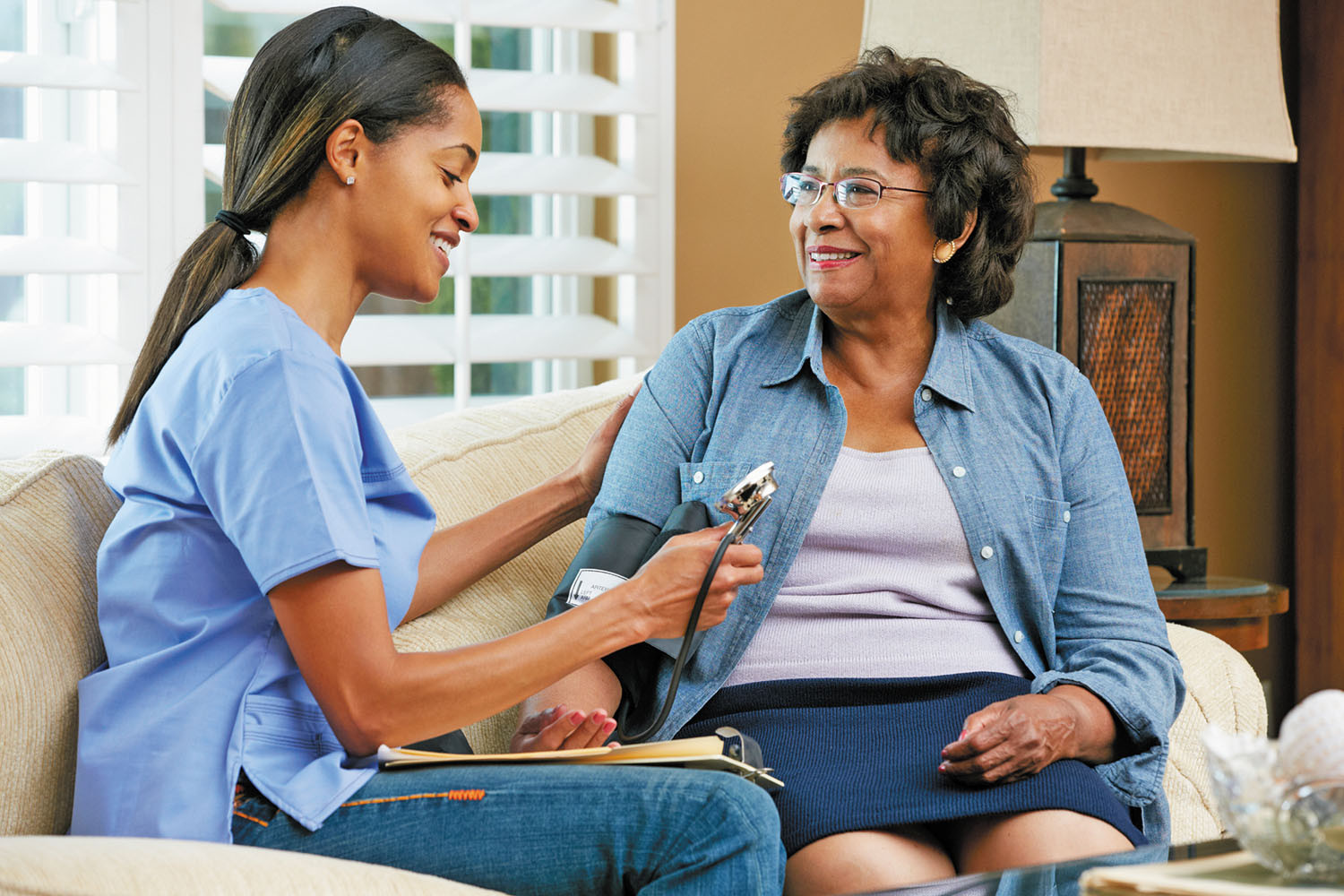
The doctor will see you now, in your home
The old-fashioned house call is back in a big way. Here's how it works.
It's hard to get to the doctor when you don't drive anymore or you're struggling with several chronic medical conditions. The result may be missed appointments and a lack of needed care.
But a growing trend makes it far easier for older adults to get medical attention, bringing routine exams and diagnostic tests to the patient's doorstep. It's called home-based medical care — when doctors, nurse practitioners, physician assistants, or other providers visit and treat older adults right in their homes.

Dive into a swimming regimen
Lap swimming offers a total-body workout of strengthening, stretching, and aerobic conditioning.
When you think of a swimming workout, you may envision an athlete pounding away at the water, racing from one end of the pool to the other. But you don't have to break speed records to reap the rewards of swimming back and forth, and you don't even have to do the competitive swimming stroke known as the crawl.
"The pace is up to you, and any stroke is fine. Breaststroke, sidestroke, and backstroke are often favored because a lot of people don't like putting their face in the water, like you have to do with the crawl," says Leigh de Chaves, a physical therapist and clinical supervisor of rehabilitation services at Harvard-affiliated Brigham and Women's Hospital. She also swam competitively in college.

New thinking on daily food goals
Stop aiming for a particular amount of servings in each food category and focus on total daily intake.
Trying to hit the mark on a healthy diet can be challenging. You need to eat enough of the right foods to meet your body's vitamin and mineral needs.
Experts have tried to guide us over the years by recommending goals of daily food servings — such as five to eight servings of fruits and vegetables per day. But your idea of serving sizes may differ from someone else's. That's led to confusion and, now, change.

Medically tailored meal programs linked to fewer hospital stays, lower costs
News briefs
As we've reported before, free medically tailored meals are making a big difference for older adults who have chronic illness or are recovering from a hospital stay. The meals are provided by nonprofit agencies and are customized to your dietary needs — like a potassium-controlled diet if you have kidney disease, or a diet low in vitamin K if you're taking a blood thinner. Now an observational study published online April 22, 2019, by JAMA Network Open suggests that taking part in a free medically tailored meal program is linked to fewer admissions to hospitals and nursing homes, as well as lower medical costs. Researchers looked at about 1,000 adults with health problems such as cancer or diabetes. Half took part in a free medically tailored meal program for about a year; the other half did not. During a two-year follow-up, people who received medically tailored meals had 49% fewer hospital admissions and 72% fewer nursing home admissions than those who did not receive meals. Getting the meals was also tied to a 16% reduction in medical costs each month. To find a program near you, check out the partner section of the Food Is Medicine Coalition (www.fimcoalition.org/partners).
Image: © FredFroese/Getty Images

Walk your dog, break a bone?
News briefs
Owning a dog has many benefits, and a great one is the exercise you get from taking the leashed pet for walks. But there's also a potential risk for older adults who walk their dogs: broken bones. According to a study published online March 6, 2019, by JAMA Surgery, researchers who combed through 13 years' worth of data from emergency departments across the United States identified a rising number of fractures among older adults walking leashed dogs: 1,700 in 2004, climbing to almost 4,400 in 2017. Most (53%) of the bone breaks were in the upper arm, and 17% were hip fractures. Almost 30% of the patients required hospital admission during the study period. Either a large dog (which can knock you down or pull you over) or a small dog (which can get under your feet) can pose a fall risk, especially if you have problems with balance. How can you protect yourself? The authors suggest obedience training can help keep Fido from putting you at risk.
Image: © monkeybusinessimages/Getty Images
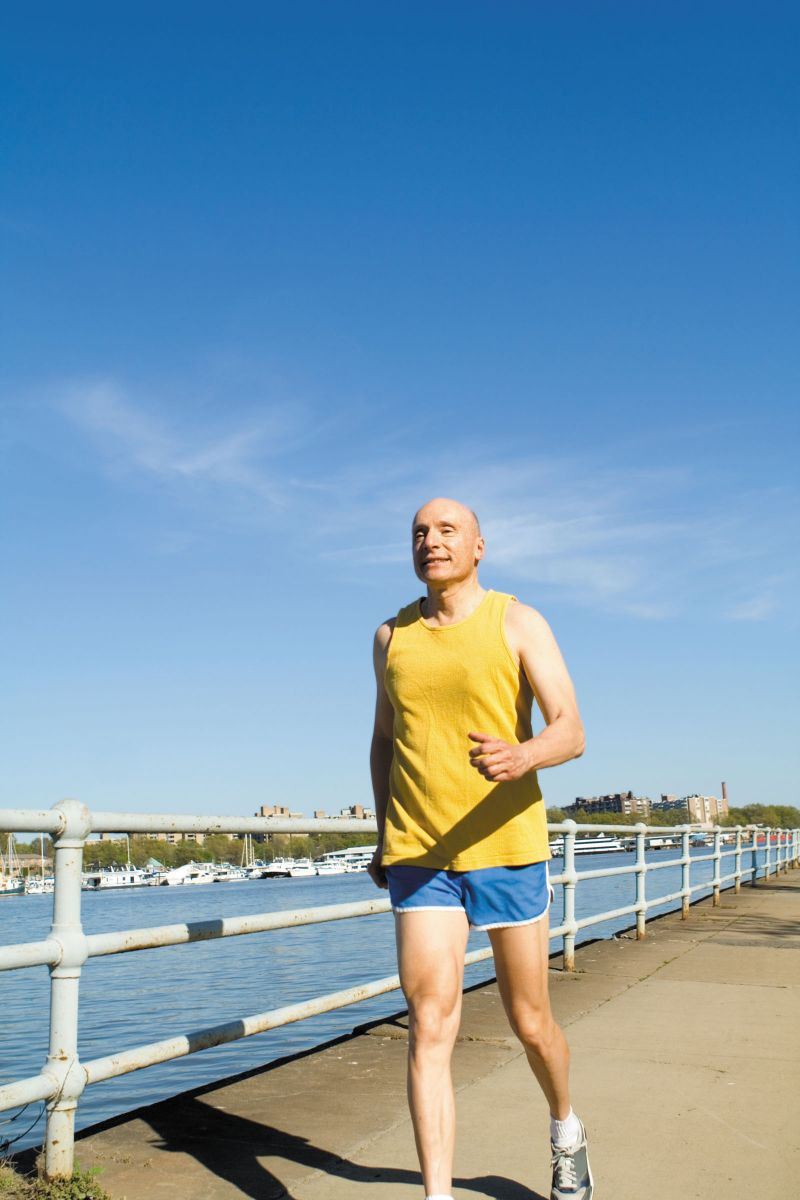
Bust your belly for a healthier heart
If your abdomen looks like an apple (or a beach ball), it's a sign that something hazardous lies beneath.
What's a telltale sign of potential health problems? Look down. Whether you call it a potbelly or spare tire, this noticeable bulge can be more dangerous than you realize.
"It's common for men to put on a few extra pounds every year as they age, but they really should pay attention to increasing waist size," says Dr. Jody Dushay, an endocrinologist with Harvard-affiliated Beth Israel Lahey Health. "Any extra weight around the waist can be especially detrimental to your health."

5 tools to maintain your mobility
A variety of assistive devices can improve balance, provide support, and prevent further disability.
Image:iStock
If you're recovering from an injury or surgery, struggling with arthritis, or having trouble with your balance, your doctor may recommend one or more assistive devices—simple tools that have been shown to prevent falls and injuries and preserve your mobility. Don't let pride or vanity keep you from using them. "Maintaining your mobility—the ability to move easily around your home and neighborhood, stay connected to your loved ones, and remain engaged in the world—can safeguard your independence," says Dr. Scott Martin, associate professor of orthopedics at Harvard Medical School and medical editor of the Special Health Report Mobility and Independence (www.health.harvard.edu/MI).
Once you begin to shop for an assistive device, you may be surprised at the selection that awaits you. Whichever type is recommended for you, you'll need professional help with "fitting," so that you can use it safely and comfortably.
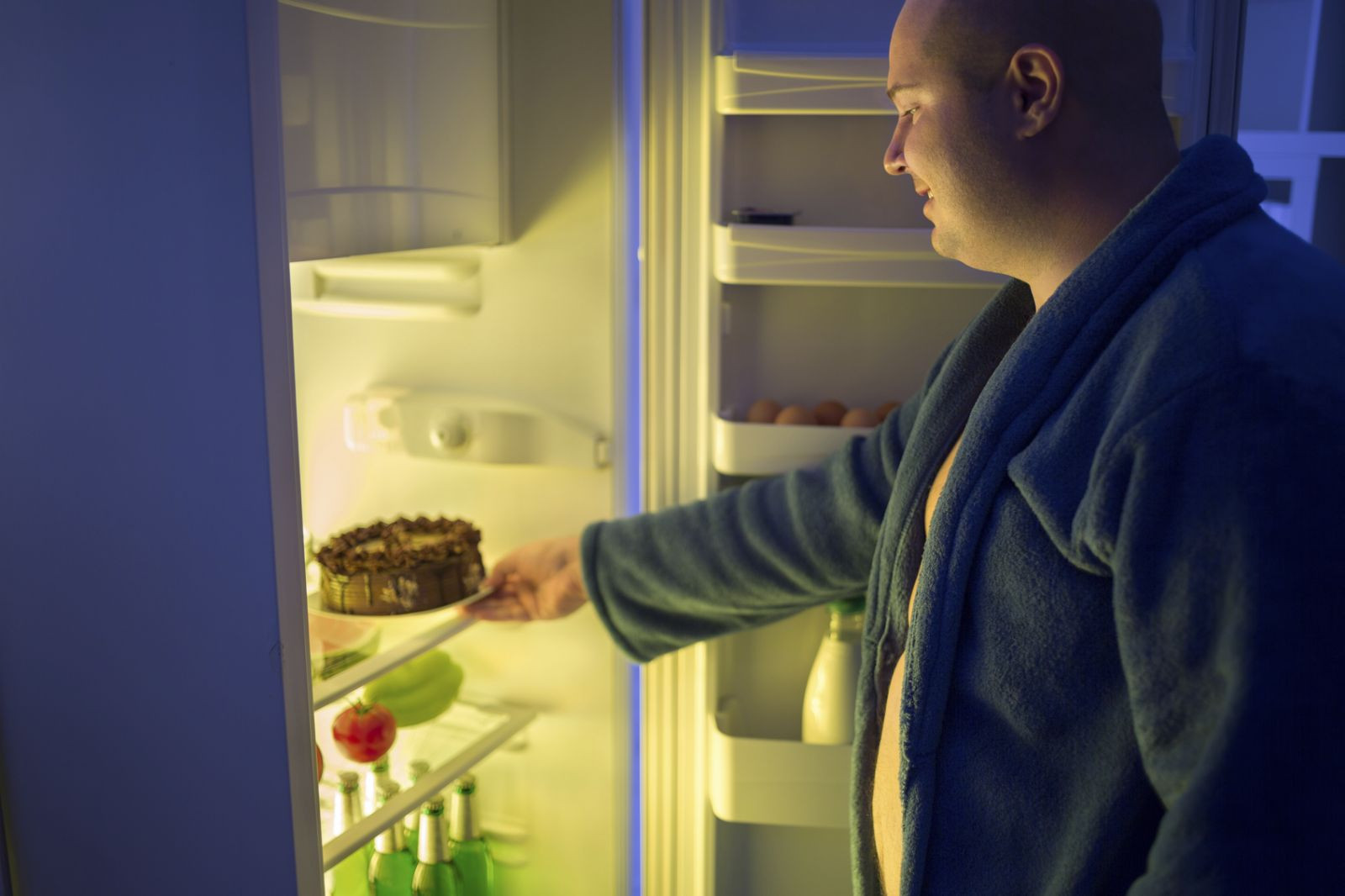
Why people become overweight
Everyone knows some people who can eat ice cream, cake, and whatever else they want and still not gain weight. At the other extreme are people who seem to gain weight no matter how little they eat. Why? What are the causes of obesity? What allows one person to remain thin without effort but demands that another struggle to avoid gaining weight or regaining the pounds he or she has lost previously?
On a very simple level, your weight depends on the number of calories you consume, how many of those calories you store, and how many you burn up. But each of these factors is influenced by a combination of genes and environment. Both can affect your physiology (such as how fast you burn calories) as well as your behavior (the types of foods you choose to eat, for instance). The interplay between all these factors begins at the moment of your conception and continues throughout your life.
Fatty liver disease: Should you be tested?
Even a little exercise linked with lower stroke risk in people with afib
Testosterone therapy without evidence of deficiency may boost heart risk
Weight-loss drug may lower risk of heart attacks and infections
Migraine: How it's diagnosed and what that means
Tricep workouts you can do at home
Mindfulness practices to reduce stress and improve focus
Antihistamines may not offer meaningful relief from eczema symptoms
Overweight and taking blood pressure medications: Study finds it's a trend that's working
FDA approves first mRNA-based flu vaccine
Free Healthbeat Signup
Get the latest in health news delivered to your inbox!
Sign Up
