

Naturally gluten-free foods

Harvard study: Healthier fats linked to longer life after prostate cancer diagnosis

Shingrix shingles vaccine linked with lower heart disease risks

Estrogen-only hormone therapy tied to lower dementia risk
Should you have a hysterectomy?

Stair climbing may significantly lower cardiovascular risks

Why do I sweat so much?

Walking pneumonia: The "mild" illness that can still pack a punch

What causes knee pain: How doctors make a diagnosis
Where you carry excess weight matters in predicting heart disease risk
Cancer Archive
Articles

How chemotherapy can affect women's sexual health — and what can help
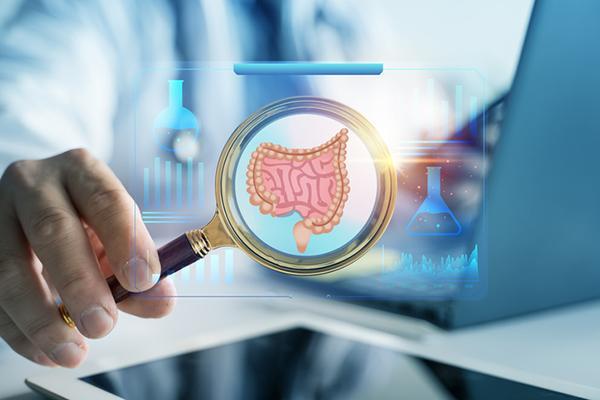
Chemotherapy treatment in women can diminish hormone levels that affect sexual health and intimacy. It can also alter self-image, sex drive, and emotions. Research suggests anywhere from 40% to 100% of cancer survivors struggle with sexual dysfunction.

What to do about gallstones
Women under 40 are at much greater risk of developing gallstones than men, due to the actions of the hormones estrogen and progesterone.

They found colon polyps: Now what?
After removal of precancerous growths (polyps) in the colon, return for a follow-up colon exam in three, five, or 10 years, depending on the number and types of growths that the doctor found and removed. A healthy diet can help prevent cancer.

Is something in your diet causing diarrhea?
Diarrhea may be caused by a number of factors. When it comes to diet, foods that are sugary, fatty, spicy, or fried can cause loose stools or make them worse. Dairy foods and foods with gluten can also cause loose stools.
Could bowel troubles after dairy mean irritable bowel syndrome?
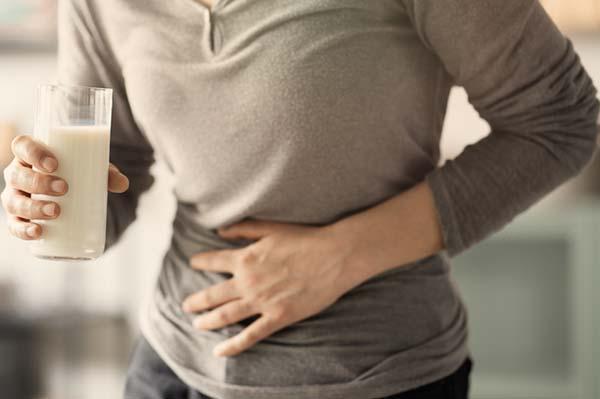
Dairy-related diarrhea, constipation, and ongoing gut discomfort may point to irritable bowel syndrome (IBS), lactose intolerance, or another condition.

Travel tummy troubles: Here's how to prevent or soothe them
Digestive troubles are no one’s idea of fun, but having them occur while traveling or vacationing is even worse. Here’s a closer look at three common digestive upsets, how to prevent them, and what to do if you have one.

Laxatives: What to know about choosing the right one
Eating a fiber-rich diet helps to prevent constipation. There are a variety of laxatives for occasional irregularity.

Naturally gluten-free foods
Harvard study: Healthier fats linked to longer life after prostate cancer diagnosis
Shingrix shingles vaccine linked with lower heart disease risks
Estrogen-only hormone therapy tied to lower dementia risk
Should you have a hysterectomy?
Stair climbing may significantly lower cardiovascular risks
Why do I sweat so much?
Walking pneumonia: The "mild" illness that can still pack a punch
What causes knee pain: How doctors make a diagnosis
Where you carry excess weight matters in predicting heart disease risk
Free Healthbeat Signup
Get the latest in health news delivered to your inbox!
Sign Up
