

Estrogen-only hormone therapy tied to lower dementia risk

Should you have a hysterectomy?

Stair climbing may significantly lower cardiovascular risks

Why do I sweat so much?

Walking pneumonia: The "mild" illness that can still pack a punch

Tai chi walking: What is it and does it work?

What causes knee pain: How doctors make a diagnosis
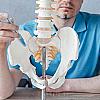
Sacroiliac joint pain: Causes, symptoms, and exercises that help

Where you carry excess weight matters in predicting heart disease risk

Study: At-home colorectal cancer screening may significantly cut colon cancer deaths
Cancer treatment Archive
Articles

Quick bursts of activity tied to reduced cancer risks in people who don't exercise
In a 2023 study, people who didn't exercise regularly but accumulated three and a half minutes of vigorous daily activity (such as stair climbing) had a 32% lower risk for developing cancer, compared with non-exercisers who didn't do any vigorous activity.

Early breast cancer survival rates increasing
Death risk from breast cancer that's treated early appears to be falling, according to a large 2023 study. The risk of dying from the cancer within five years dropped from about 14% for women diagnosed in the 1990s to about 5% for women diagnosed between 2010 and 2015.

Screening advice that's not just skin deep
Melanoma kills about 8,000 Americans each year. Most people are at low risk of melanoma and don't need annual skin cancer screenings. People should be screened each year if they have risk factors such as dozens of atypical moles, a family history of melanoma or atypical moles, an earlier skin cancer, certain genetic mutations or predisposition, immune-suppressing therapy after organ transplantation or for inflammatory bowel disease, a history of blistering sunburns, or substantial tanning bed use.

National task force proposes updated breast cancer screening recommendations
The U.S. Preventive Services Task Force released updated draft guidelines in May 2023 proposing that women at average risk of breast cancer be screened every other year starting at age 40.

Older women disproportionately diagnosed with advanced cervical cancer
A 2023 study indicates that women 65 and older are diagnosed with advanced cervical cancer more often than younger women, and they have a worse prognosis.

Silent suffering
Survivor's guilt includes strong, persistent feelings of sadness and remorse. Advances in cancer treatment have led to an unprecedented 18 million Americans who are cancer survivors, making survivor's guilt a possible psychological outcome for greater numbers. Survivor's guilt may be more common among people who have survived cancers with high death rates. Strategies to cope include taking time to grieve, seeking support from fellow survivors, and getting counseling to explore underlying contributors to feelings of guilt.

Preventing ovarian cancer: Should women consider removing fallopian tubes?
Ovarian cancer, which claims about 13,000 lives each year, is hard to detect in early stages. Recent guidance from professional groups recommends removing fallopian tubes to help prevent ovarian cancer if women are undergoing gynecologic surgery and are finished with childbearing.

Is snuff really safer than smoking?
The FDA authorized a brand of smokeless tobacco to use language in its advertising claiming that using snuff reduces risk of lung cancer compared to smoking cigarettes. Technically this is true, but it's not the health advantage the product's maker would like consumers to think it is.

5 things to know about your morning cup of joe
A recent review found not only that coffee won't harm cardiovascular health or raise the risk of cancer, but it may actually have some health benefits. These include a lower risk of diabetes, and certain cancers, such as liver, and endometrial cancer. Many of these benefits may come from plant chemicals found in coffee.

How super are "superfoods"?
Certain fruits, vegetables, nuts, and seeds have been labeled "superfoods" because, compared with other foods, they have higher amounts of certain vitamins and minerals and powerful antioxidants. They often are associated with combating high blood pressure, diabetes, heart disease, and even some cancers. But instead of focusing on eating more of individual foods, experts suggest building "superplates" that include a variety of superfoods.
Estrogen-only hormone therapy tied to lower dementia risk
Should you have a hysterectomy?
Stair climbing may significantly lower cardiovascular risks
Why do I sweat so much?
Walking pneumonia: The "mild" illness that can still pack a punch
Tai chi walking: What is it and does it work?
What causes knee pain: How doctors make a diagnosis
Sacroiliac joint pain: Causes, symptoms, and exercises that help
Where you carry excess weight matters in predicting heart disease risk
Study: At-home colorectal cancer screening may significantly cut colon cancer deaths
Free Healthbeat Signup
Get the latest in health news delivered to your inbox!
Sign Up
