

Estrogen-only hormone therapy tied to lower dementia risk

Should you have a hysterectomy?

Stair climbing may significantly lower cardiovascular risks

Why do I sweat so much?

Walking pneumonia: The "mild" illness that can still pack a punch

Tai chi walking: What is it and does it work?

What causes knee pain: How doctors make a diagnosis
Sacroiliac joint pain: Causes, symptoms, and exercises that help
Where you carry excess weight matters in predicting heart disease risk
Study: At-home colorectal cancer screening may significantly cut colon cancer deaths
Cancer treatment Archive
Articles

Cancer survivors' sleep is affected long after treatment
According to a new study, many people who have survived cancer treatment experience poor sleep long after treatment has ended. These people also reported emotional distress, financial hardship, and concern that their cancer might return. Many sleep disorders can be treated successfully, but an accurate diagnosis is essential to choosing the correct treatment.

Cancer report shows a mixed bag
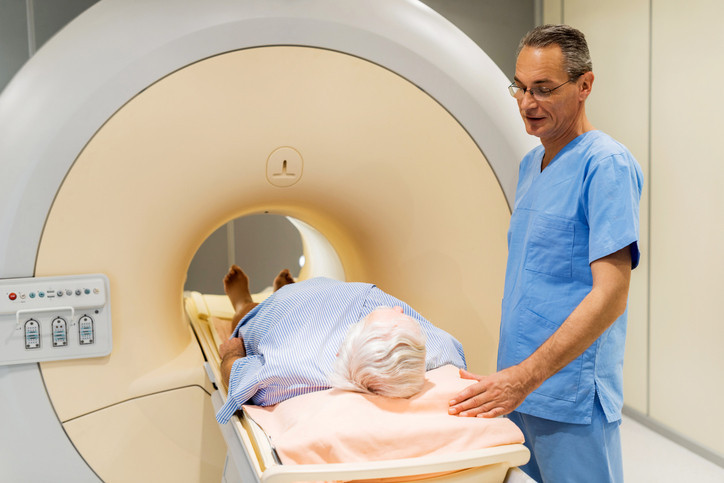
Radiation risk from medical imaging
Given the huge increase in the use of CT scans, concern about radiation exposure is warranted. Patients should try to keep track of their cumulative radiation exposure, and only have tests when necessary.


Tempted to have genetic testing? First ask why
Several companies promote at-home genetic testing to uncover a range of potential health problems (and, in some cases, ancestry traits). Just how useful is this and how do such tests differ from genetic testing a doctor may recommend for medical reasons?

Time to hire a caregiver? 3 tips to help

Drinking sugary beverages associated with colon cancer risk

New recommendation: Earlier colorectal cancer screening

7 strategies to prevent cancer
Estrogen-only hormone therapy tied to lower dementia risk
Should you have a hysterectomy?
Stair climbing may significantly lower cardiovascular risks
Why do I sweat so much?
Walking pneumonia: The "mild" illness that can still pack a punch
Tai chi walking: What is it and does it work?
What causes knee pain: How doctors make a diagnosis
Sacroiliac joint pain: Causes, symptoms, and exercises that help
Where you carry excess weight matters in predicting heart disease risk
Study: At-home colorectal cancer screening may significantly cut colon cancer deaths
Free Healthbeat Signup
Get the latest in health news delivered to your inbox!
Sign Up
