










Sacroiliac joint pain: Causes, symptoms, and exercises that help
Physical therapy, targeted exercises, bracing, and injections may help to relieve symptoms.
- Reviewed by Christopher M. Bono, MD, Contributor
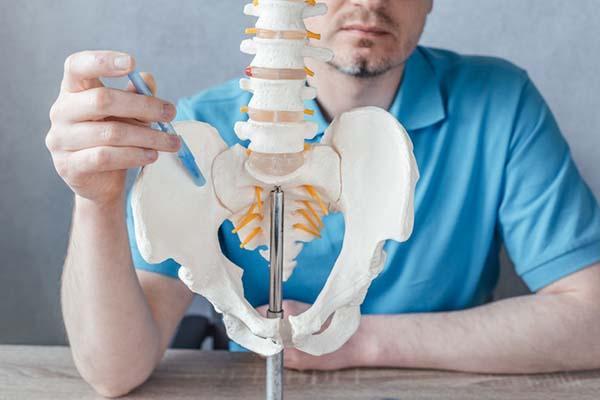
Lower back pain often stems from problems in the vertebrae and the surrounding tissues of the spine. But in some cases, the source lies farther down — in the sacroiliac joint. “The sacroiliac joints are where the spine meets the pelvis,” says Dr. Christopher Bono, a spine surgeon in the Orthopaedic Spine Center at Harvard-affiliated Massachusetts General Hospital.
Two sacroiliac joints connect the triangle-shaped last section of the spine (sacrum) to the top part of the pelvis (ilium). Strong ligaments attach the bones of these joints to each other, providing stability and keeping the joints mostly immobile.
What causes sacroiliac joint pain?
A sacroiliac joint can become inflamed and painful, but the precise reason is not always known. In some cases, pain develops after an injury during which the joint moves more than it’s meant to. “The sacroiliac joints are not very mobile, with some exceptions,” says Dr. Bono.
During pregnancy, hormonal changes make the sacroiliac joints and surrounding ligaments more elastic, allowing the pelvis to widen enough for the baby to pass through the birth canal. Ligaments can remain loose after childbirth, leading to sacroiliac joint pain.
Sacroiliac joints may also be more mobile in both men and women with ligaments that are loose for other reasons, including a condition called Ehlers-Danlos syndrome. “The motion may not be painful, but sometimes it is,” says Dr. Bono.
Like other joints, there’s a layer of cartilage covering the ends of the bones where they meet in the sacroiliac joints. This cartilage can wear down, leading to osteoarthritis. “But that doesn’t necessarily correlate with having pain,” says Dr. Bono.
Rarer causes of sacroiliac joint inflammation (also called sacroiliitis) include certain autoimmune diseases, such as ankylosing spondylitis, and infection.
Common symptoms of sacroiliac joint pain
Sacroiliac joint pain is usually not felt directly in the middle of the low back. More often, it occurs slightly to one side, roughly between the center of the lower back and the upper buttock.
The pain may extend to the hip and, in some people, travel down the leg. Therefore, sacroiliac joint pain can sometimes resemble pain from a herniated disc or sciatica.
“People often feel the pain more when standing on one leg than the other,” says Dr. Bono. For this reason, one diagnostic test is called the flamingo test. You shift your weight onto one leg and raise the other knee, as if briefly standing like a flamingo. “Sometimes, we get x-rays with the patient in this position to see if there’s any shift in the sacroiliac joint,” he says. When pain is due to sacroiliitis, pain tends to be worse in the morning and better with exercise.
A physical examination also includes moving the leg in certain maneuvers designed to reproduce the pain, which supports the possibility that the sacroiliac joint is involved.
Exercises and stretches that may help
If the physical examination suggests that the symptoms originate from the sacroiliac joint, treatment often begins with physical therapy. “A physical therapist will determine whether the person has hypermobility or hypomobility,” says Dr. Bono. In other words, is there too much or not enough motion in the joint?
If there’s too much motion, sacroiliac joint exercises will include stretches, such as hamstring stretches, quadriceps stretches, and knees to chest (see “Knees to chest”), and strengthening exercises, such as the bridge (see “Bridge”) and bird dog. Also, wearing a sacroiliac joint stabilization brace or belt can help if the sacroiliac joint is too loose; it wraps around the waist just above the hips, creating inward pressure and stabilizing the lower back.
If there’s stiffness in the joint, curtailing motion, the physical therapist might use manual manipulation techniques to restore normal range of motion. This hands-on treatment involves applying controlled pressure to the sacroiliac joint and nearby areas.
Injections and other options
If physical therapy doesn’t adequately relieve symptoms, other options include pain relievers or anti-inflammatory drugs (such as ibuprofen), and more advanced treatments such as corticosteroid injections into the sacroiliac joint and radiofrequency ablation. To determine whether these latter options are likely to help, a clinician will often inject an anesthetic into the area; meaningful temporary relief suggests that the pain is arising from the sacroiliac joint and that additional injectable treatments into the joint are likely to help.
Some clinicians include a corticosteroid in the injection, making the procedure both diagnostic and possibly therapeutic, as the corticosteroid can reduce inflammation and provide pain relief. “In my experience, most of the time, it does,” says Dr. Bono.
“If pain relief from a corticosteroid injection doesn’t last long enough, radiofrequency ablation is a reasonable option,” says Dr. Bono. This technique, which involves heating nerves to disable pain signals, can provide longer-lasting relief.
For people with an autoimmune cause of sacroiliac pain, anti-inflammatory and immune suppressant medicines may be recommended. Bacterial infections are treated with antibiotics.
Surgery to fuse the joints is a last resort option, but it is rarely needed.
Knees to chest
Lie on your back with your legs extended on the floor. Rest your arms at your sides. Relax your shoulders against the floor. Slowly bend your left knee and pull it in toward your chest with your hands. Hold for 30 seconds. Return to the starting position. Repeat, pulling your right leg in toward your chest. Hold for 30 seconds. Return to the starting position. Repeat two more times. Bridge
Lie on your back with your knees bent and feet flat on the floor, hip-width apart. Place your arms at your sides. Relax your shoulders against the floor. Tighten your abdominal muscles and your buttocks, press your heels into the floor, and lift your hips off the floor as high as is comfortable, or until they are in line with your shoulders and knees. Keep your hips even and spine neutral. Hold for five to 10 seconds. Return to the starting position. Repeat eight to 12 times. Photographs by Michael Carroll |

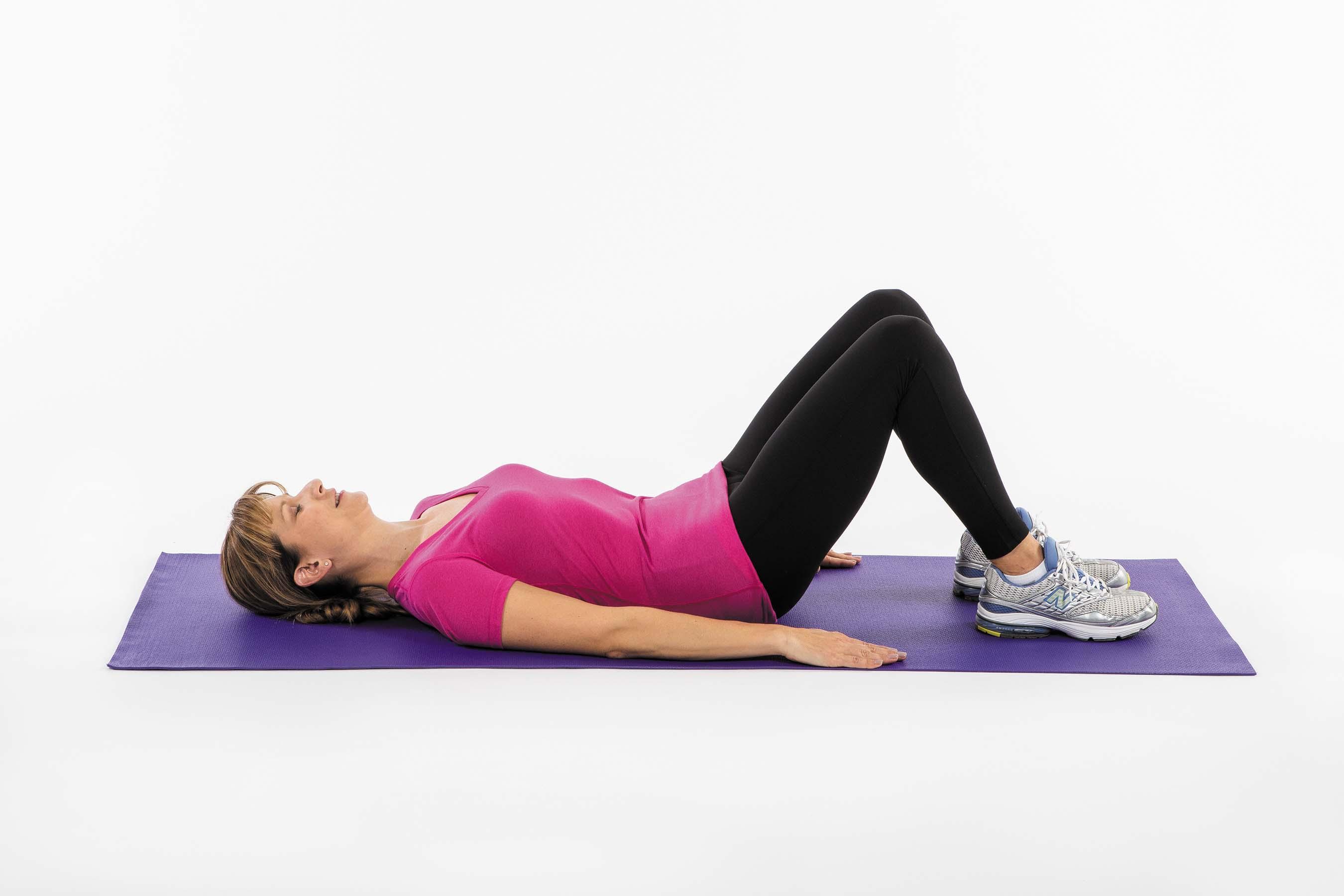
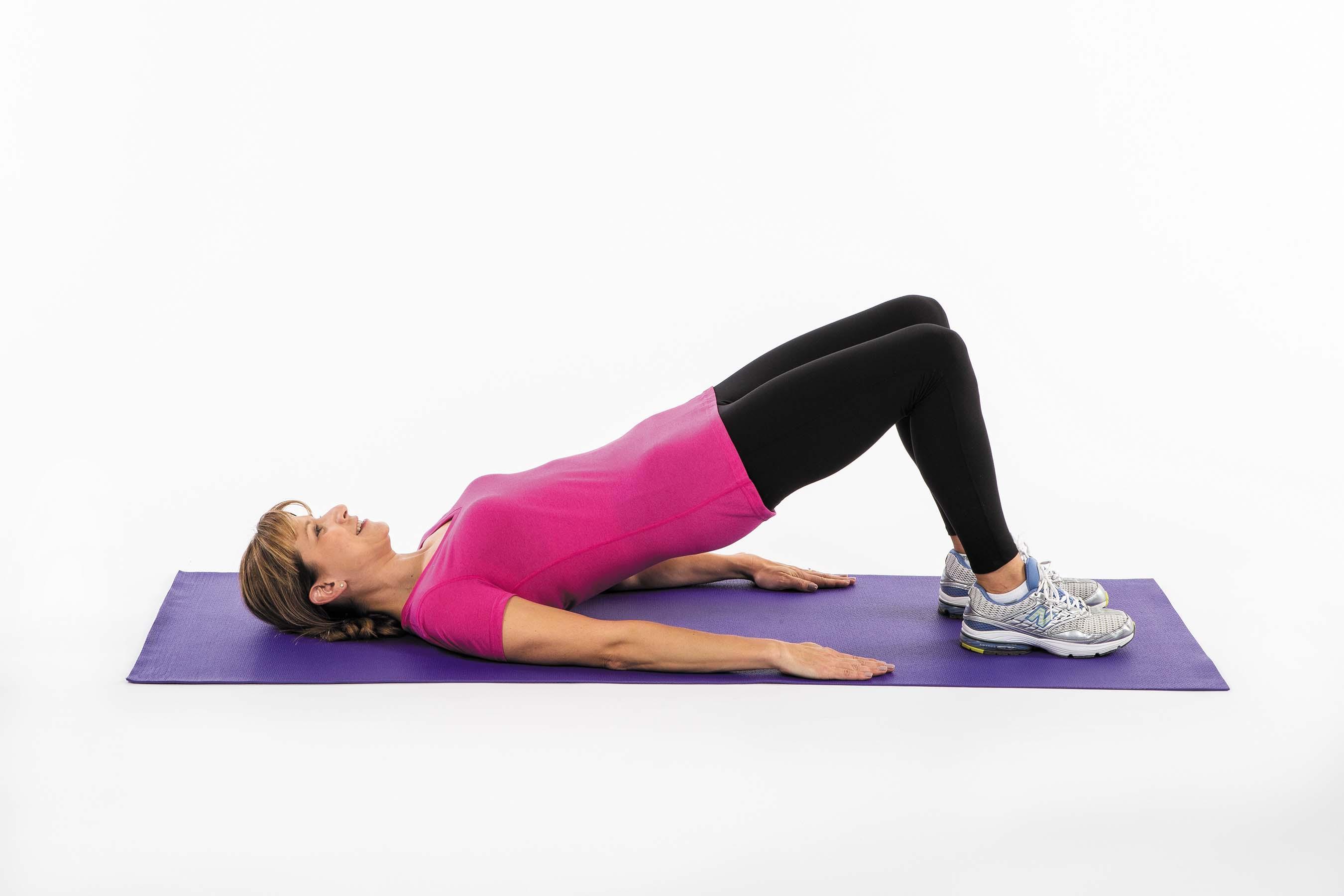
Image: © marinesea/Getty Images
About the Author

Lynne Christensen, Staff Writer
About the Reviewer

Christopher M. Bono, MD, Contributor
Disclaimer:
As a service to our readers, Harvard Health Publishing provides access to our library of archived content. Please note the date of last review or update on all articles.
No content on this site, regardless of date, should ever be used as a substitute for direct medical advice from your doctor or other qualified clinician.


