

Estrogen-only hormone therapy tied to lower dementia risk

Should you have a hysterectomy?

Stair climbing may significantly lower cardiovascular risks

Why do I sweat so much?

Walking pneumonia: The "mild" illness that can still pack a punch

Tai chi walking: What is it and does it work?

What causes knee pain: How doctors make a diagnosis
Sacroiliac joint pain: Causes, symptoms, and exercises that help

Where you carry excess weight matters in predicting heart disease risk

Study: At-home colorectal cancer screening may significantly cut colon cancer deaths
Cancer treatment Archive
Articles

Exercise may inhibit breast cancer growth
A 2025 study suggests that even a single session of resistance training or high-intensity interval training increases levels of certain proteins that can inhibit breast cancer cell growth, potentially contributing to a lower risk of recurrence.
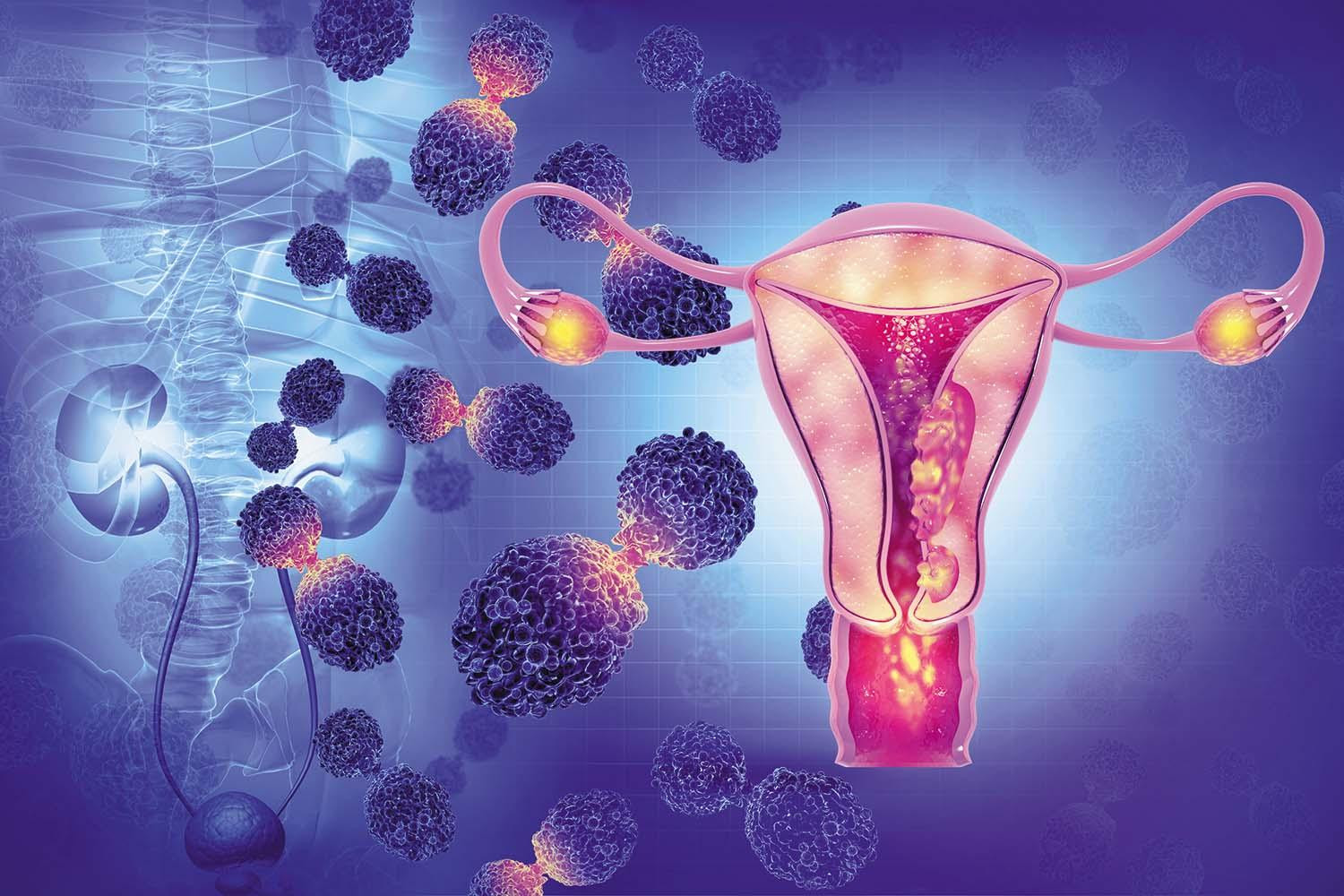
What raises your risk for gynecologic cancer?
Gynecologic cancers, which affect the ovaries, uterus, cervix, vagina, or vulva, are less common than breast cancer. Women can guard against these cancers by learning the risk factors for each type, which include obesity, exposure to human papillomavirus, and smoking. Women should also continue pelvic exams and cervical cancer screenings after a hysterectomy or menopause, as well as watch for unusual symptoms. Women with a strong family history of gynecologic or certain other cancers should consider genetic testing.

DASH diet tied to lower colorectal cancer risk
A 2025 research review found that adhering to the DASH diet-which emphasizes eating fruits, vegetables, lean protein, whole grains, nuts, and low-fat dairy products-is linked to a lower risk of developing colorectal cancer.

Exercise boosts colon cancer survival
In a 2025 study of about 900 people treated for colon cancer (followed for an average of eight years), people who took part in a supervised exercise program for three years had about 30% better odds of surviving, compared with people who weren't in the program.

Physical activity of any intensity tied to lower cancer risk
In a 2025 study of more than 85,000 people (average age 63), followed for six years, those who were the most active-even if they were simply doing light-intensity activities-had a 26% lower risk for cancer, compared with those who were least active.

Calcium may cut odds of colorectal cancer, while alcohol may boost them
A 2025 study suggested that boosting dietary calcium intake may reduce the odds of developing colorectal cancer, while drinking more alcohol may raise risks for the disease.

The cancer–heart disease connection
Cancer survivors are more likely to die of heart disease than from cancer-related complications. One reason is that certain cancer treatments can cause cardiovascular complications. But the two diseases share many root causes, including tobacco use and obesity, as well as diabetes and high cholesterol. Growing evidence suggests that people with heart disease may be more likely to develop cancer.

Hidden battles: Keeping cancer secret
A portion of the two million Americans diagnosed with cancer each year choose to keep the news private or tell only a select few people. These patients may wish to avoid extra attention, sympathy, or different treatment; bypass burdening or alarming others; protect their job; feel in control of an uncertain situation; or sidestep judgment if their cancer is related to lifestyle choices. But opting for secrecy can pose several disadvantages, depriving patients of practical and emotional support and aggravating stress, anxiety, and depression.

Boosting breast cancer survival
Although a clinical trial showed daily aspirin use didn't help women with breast cancer avoid recurrence or improve survival, other evidence-backed measures might. Exercise, weight control, and a healthy diet are linked with lower recurrence and longer survival, but alcohol use, smoking, and supplement use are not. While it's not always clear how lifestyle approaches help lower the odds of recurrence or death from breast cancer, healthy measures can improve women's ability to keep other conditions at bay or manage them more effectively.

Pap smears or self-swabs?
Pap tests, the mainstay screening method to detect cervical cancer, are uncomfortable for some women. In mid-2024, the FDA approved a new self-swab test that can detect human papillomavirus, which causes most cases of cervical cancer. The self-swab test collects cells from the vaginal wall instead of the cervix. Clinicians guide women on how to perform the test in a doctor's office. The self-swab method offers women several benefits, including comfort, accuracy, and potentially greater access to screening.
Estrogen-only hormone therapy tied to lower dementia risk
Should you have a hysterectomy?
Stair climbing may significantly lower cardiovascular risks
Why do I sweat so much?
Walking pneumonia: The "mild" illness that can still pack a punch
Tai chi walking: What is it and does it work?
What causes knee pain: How doctors make a diagnosis
Sacroiliac joint pain: Causes, symptoms, and exercises that help
Where you carry excess weight matters in predicting heart disease risk
Study: At-home colorectal cancer screening may significantly cut colon cancer deaths
Free Healthbeat Signup
Get the latest in health news delivered to your inbox!
Sign Up
