

Whole grains may improve several heart risk factors at once

Light exposure at night may raise risk for heart disease

Children of centenarians may stay healthier and live longer too, study finds

A lumbar belt may help ease low back pain

Signs of pneumonia: Sometimes vague and unexpected

Using a vibration plate: What it can — and can't — do for your body

The surprising link between ovarian cancer and the fallopian tubes

People who walk more or walk faster live longer, study finds

Rosacea treatments: What works?

For sleep apnea, a dental device may be as effective as CPAP
Brain injuries Archive
Articles

A tough question: When should an older driver stop driving?
Navigating whether or when an older person should limit or stop driving is tricky. Whether these concerns are about a family member or yourself, it's helpful to be aware of red flags and to understand how driving abilities -- and risk for motor vehicle accidents -- change with age.

Do you need a dopamine detox?
People who feel hooked on digital devices often blame dopamine, a brain chemical linked with feelings of pleasure. But people’s brains need dopamine to function, so a “dopamine detox” is not possible. People should instead change habits and environments that draw them to their devices.
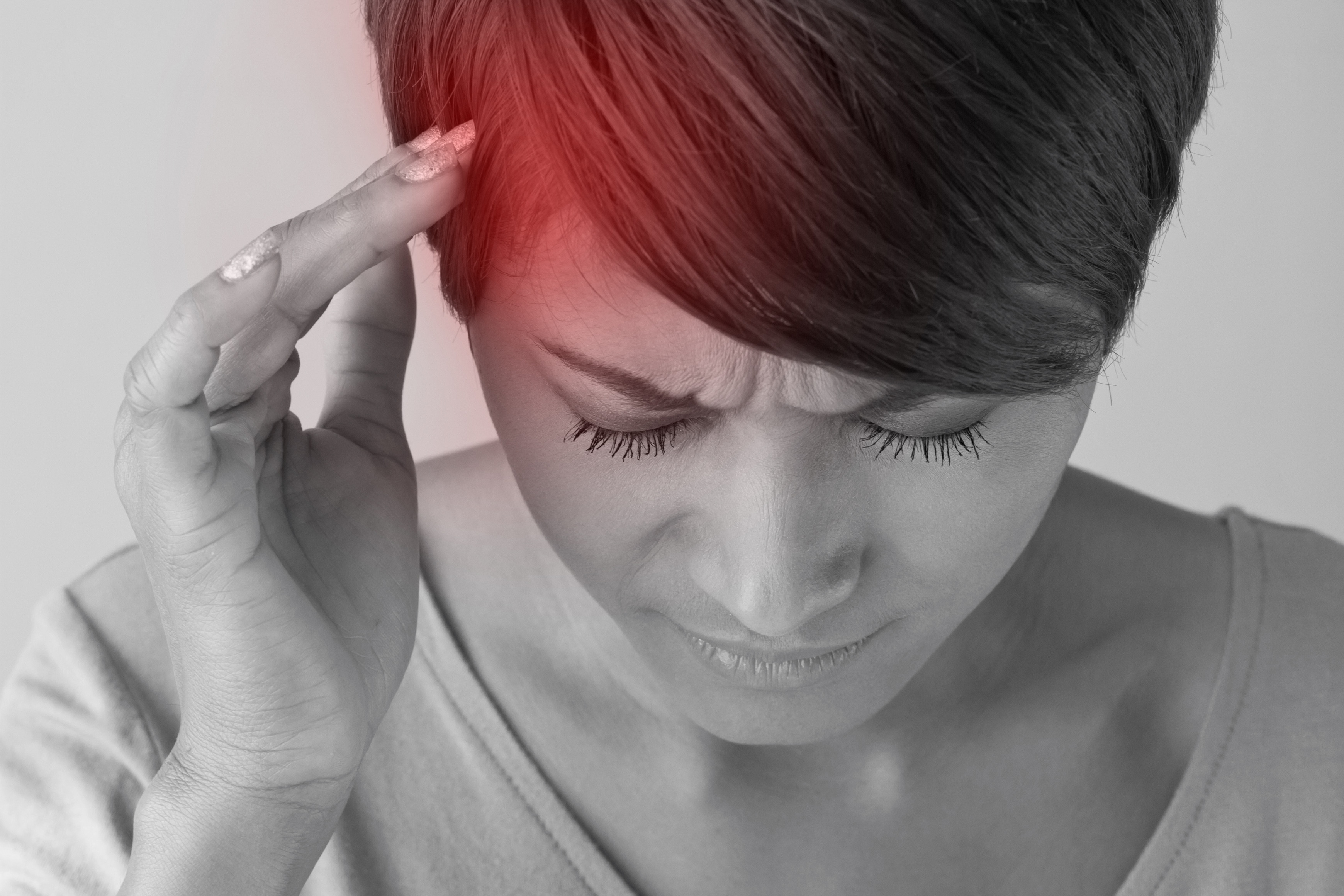

Can migraines affect how your brain processes memory?
Memory changes during a migraine can be unsettling and may have several explanations. See which symptoms need prompt medical attention and follow-up.

The surprising cognitive costs of multitasking
Multitasking involves coupling one unconscious activity, such as walking on a treadmill, with a conscious one, such as reading a book. Task-switching involves attempting two conscious tasks at the same time. Constant task-switching can undermine focus, concentration, and working memory.

Could a lost sense of smell signal a health problem?
A change in your sense of smell can have many possible explanations. Find out what factors to consider and when discussing it with a doctor may help.
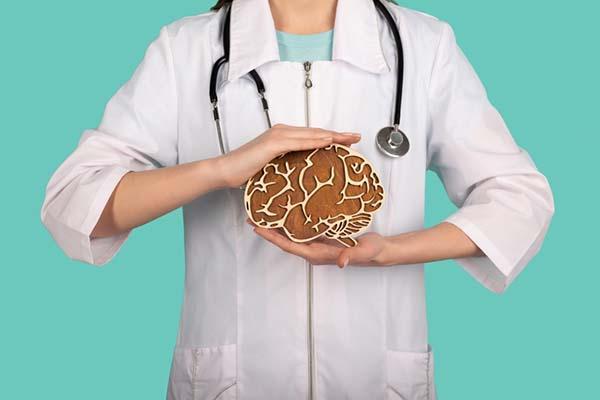
Worried about dementia? Take better care of your heart
Vascular dementia, which results from brain cell damage due to reduced blood flow, can cause slowed thinking, confusion, and other cognitive changes. Carefully controlling risk factors for cardiovascular disease may help prevent vascular dementia.

Could brief neurological symptoms be a stroke warning?
Sudden changes in speech, balance, and coordination can signal an urgent health concern, especially when they fade quickly or recur.

What can help ease orthostatic tremor?
When clonazepam doesn’t ease the unsteadiness of orthostatic tremor, other medicines may offer options to discuss with your doctor.

Are circles of light a common migraine symptom?
Transparent circles or other visual changes can appear before migraine pain. Find out what these symptoms may mean and what to discuss with your doctor.
Whole grains may improve several heart risk factors at once
Light exposure at night may raise risk for heart disease
Children of centenarians may stay healthier and live longer too, study finds
A lumbar belt may help ease low back pain
Signs of pneumonia: Sometimes vague and unexpected
Using a vibration plate: What it can — and can't — do for your body
The surprising link between ovarian cancer and the fallopian tubes
People who walk more or walk faster live longer, study finds
Rosacea treatments: What works?
For sleep apnea, a dental device may be as effective as CPAP
Free Healthbeat Signup
Get the latest in health news delivered to your inbox!
Sign Up
