Brain health Archive

Articles

Advice about daily aspirin

The heart-protecting benefits of a daily low-dose aspirin have to be weighed against the risk of bleeding, a common side effect that is usually minor but sometimes serious. The calculation depends on age and whether a person has cardiovascular disease, diabetes, or a condition that raises risk of bleeding.

Careful! Scary health news can be harmful to your health

A news story about a worrisome or life-threatening ailment might get you thinking about your own health, especially if you happen to have some of the same symptoms. But dramatic or unusual medical stories can bias your thinking and even negatively affect your health decision-making.

Plant-based diet quality linked to lower stroke risk

People who ate healthy plant-based foods had a 10% reduction in stroke risk, compared with people who ate unhealthy plant-based foods, according to a Harvard study published online March 10, 2021, by the journal Neurology.

Alternatives to warfarin may be safer, more effective for afib

For people with certain types of valvular atrial fibrillation, drugs known as direct oral anticoagulants (DOACs) may be safer and more effective than warfarin (Coumadin). DOACs include apixaban (Eliquis), dabigatran (Pradaxa), and rivaroxaban (Xarelto).

Diastolic blood pressure: Worth a second look?

A diastolic blood pressure reading lower than 60 mm Hg may be linked to an increased risk of heart attack and stroke in people at high cardiovascular risk. Diastolic pressure tends to fall with age. Some people with a low reading have a leaky aortic valve, which interferes with normal blood circulation throughout the heart and causes diastolic pressure to fall. But in people with healthy aortic valves who can be physically active without any symptoms (such as chest pressure, shortness of breath, or lightheadedness), a low diastolic blood pressure should not pose a problem.

Is a "normal" blood pressure reading too high for women?

A study published Feb. 16, 2021, in Circulation found that women with blood pressure readings in a normal range may still be at higher risk for cardiovascular events. For example, heart attack risk in women rose at a systolic (the upper number) reading of 110 to 119 millimeters of mercury (mm Hg) and was the same at this level as men with a systolic pressure of 160 mm Hg. But experts say it’s too soon to change blood pressure recommendations for women until more research confirms the results.

Common questions about medical cannabis

While cannabis is still illegal at the federal level, more than two-thirds of US states have made it partly or fully legal for medical purposes. People who decide to use marijuana for a medical condition often have questions about its safety and proper use — the same considerations doctors weigh when determining whether it should be prescribed for a particular patient.

American Heart Association issues statement on cardiovascular side effects from hormonal therapy for prostate cancer

The American Heart Association issued a statement addressing cardiovascular risks from hormonal therapy for prostate cancer, emphasizing the need to identify men with pre-existing cardiac risk factors or a family history of cardiovascular diseases who should be monitored closely during treatment.

Can mindfulness change your brain?

A lot has been written about the benefits of mindfulness, but does it actually work? Can it produce detectable changes in the brain? Researchers in Australia investigated whether mindfulness training improved a person's ability to pay attention

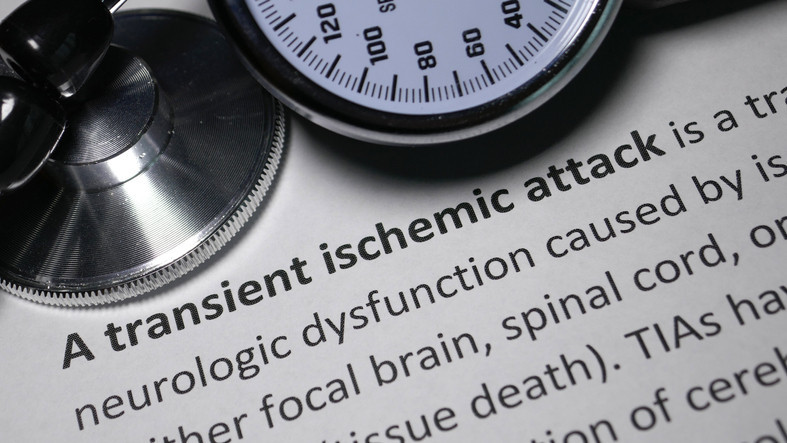
Transient ischemic attacks: Varied symptoms, all important

A transient ischemic attack is a temporary change in nerve function due to disrupted blood flow. It may affect speech, vision, or movement for a short time, and is considered a warning sign for a stroke. Some symptoms of a TIA may go unnoticed, so knowing all the signs could help you recognize a risk factor for an imminent stroke.

Free Healthbeat Signup

Get the latest in health news delivered to your inbox!

Sign Up
Harvard Health Publishing Logo

Thanks for visiting. Don't miss your FREE 32-page gift worth $29.95.

PLUS, don’t miss out on your 25% off promo code.

Sign up to get tips for living a healthy lifestyle—You’ll discover powerful, research- backed strategies for health longevity drawn from Harvard Medical School experts—ways to eat for a longer life, build strength and flexibility to stay independent, protect your bones, heart, and brain as you age, and even cultivate the habits linked with “super-agers” who stay sharp and active well into their 80s and 90s—all delivered to your email box FREE.

Harvard Health Publishing Logo

Stay on top of latest health news from Harvard Medical School.

Plus, get a FREE copy of Living Longer, Living Well!.

Harvard Health Publishing Logo

Stay on top of latest health news from Harvard Medical School.

Plus, get a FREE copy of Living Longer, Living Well.