Brain health Archive

Articles

Some blood pressure drugs are linked with better memory

A 2021 analysis found that adults ages 50 and older who took an ACE inhibitor such as lisinopril or an ARB like candesartan that crosses the blood-brain barrier scored higher on memory recall tests after three years on the medication, when compared with those who took a different drug in the same class that doesn’t cross over.

Frequent migraines? Eating fatty fish may offer comfort

People who suffer from chronic migraines could find relief by increasing their intake of the omega-3 fatty acids EPA and DHA, found in fatty fish like salmon, herring, sardines, mackerel, and trout.

Do statins increase the risk of dementia?

A study published June 29, 2021, by the Journal of the American College of Cardiology (JACC) found no link between statin use and a higher incidence of dementia in adults ages 65 and older, but other studies have described possible cognitive changes related to statin use. Experts say that the benefits of taking a statin for people who have risk factors for cardiovascular disease generally far outweigh the risks. Statin use can reduce the risk of a heart attack or stroke by 25% to 30%.

Stuck in a brain fog? Look in your medicine cabinet
Older adults may assume bouts of forgetfulness or "brain fog" are a natural part of aging. But one possible explanation is that the problem is a side effect from common medications, in particular sleep aids and pain killers. Older adults who have recently begun taking a new medication or increased their dosage should monitor their memory problems and then share the information with their doctor to see if adjustments should be made to their medication regimen.

Stroke prevention in atrial fibrillation: Beyond anti-clotting drugs

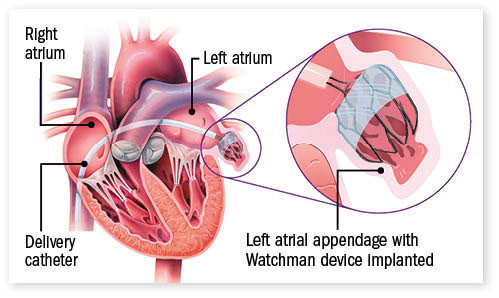
People with atrial fibrillation who develop or face a high risk of serious bleeding from anti-clotting drugs may be candidates for procedures that block or remove a part of the heart where dangerous blood clots form. About 90% of blood clots in the heart form in the left atrial appendage (LAA), a small pouch that protrudes from the top of the heart. Two procedures prevent clots from escaping from the LAA and causing a stroke. One delivers a device that blocks the opening of the LAA; the other removes most of the LAA during heart surgery done for another reason.

Embrace healthy habits for a robust memory

Healthy lifestyle habits may contribute to better brain health and sharper thinking skills. For example, getting at least seven hours of sleep each night gives the brain time to consolidate and store information and also flush out waste—including Alzheimer’s disease–related toxins. Eating a healthy diet helps ward off "mini" strokes that kill brain cells and lead to cognitive decline. Other healthy lifestyle habits that may help cognition include exercising, managing stress, and practicing mindfulness.

Can medication help us combat Alzheimer’s disease?

Aducanumab is a newly approved drug for Alzheimer’s disease with the potential to reduce amyloid-beta plaque buildup in the brain. There are other medications being studied to see if they can reduce amyloid-beta, such as a monoclonal antibody that targets amyloid-beta before it forms plaques, and a monoclonal antibody that takes aim at plaque that has already formed. Other experimental approaches try to prevent tau tangles in brain cells, reduce brain inflammation, or reduce the amount of amyloid-beta that is produced.

Exercise appears to lower atrial fibrillation and stroke risk

The link between exercise and atrial fibrillation (afib) and stroke prevention is now a little clearer, thanks to a Harvard study. It offers strong evidence that 150 minutes per week of moderate-to-vigorous physical activity is associated with a reduced risk for atrial fibrillation and stroke. Researchers aren’t surprised, since exercise helps the chambers of the heart contract and relax, while being sedentary increases afib and stroke risk. Other ways to ward off afib and stroke include treating sleep apnea, quitting smoking, and drinking only in moderation.

Can flavonoids help fend off forgetfulness?

Eating a broad variety of fruits and vegetables is a good way to get a sufficient intake of flavonoids, chemicals that contribute to many aspects of health. Now, a study suggests that flavonoid-rich foods may also play a role in protecting memory and thinking as people get older.

Statins have no apparent link to cognitive problems or dementia

For older people, taking cholesterol-lower statins does not appear to affect their risk of developing cognitive problems or dementia.

Free Healthbeat Signup

Get the latest in health news delivered to your inbox!

Sign Up
Harvard Health Publishing Logo

Thanks for visiting. Don't miss your FREE 32-page gift worth $29.95.

PLUS, don’t miss out on your 25% off promo code.

Sign up to get tips for living a healthy lifestyle—You’ll discover powerful, research- backed strategies for health longevity drawn from Harvard Medical School experts—ways to eat for a longer life, build strength and flexibility to stay independent, protect your bones, heart, and brain as you age, and even cultivate the habits linked with “super-agers” who stay sharp and active well into their 80s and 90s—all delivered to your email box FREE.

Harvard Health Publishing Logo

Stay on top of latest health news from Harvard Medical School.

Plus, get a FREE copy of Living Longer, Living Well!.

Harvard Health Publishing Logo

Stay on top of latest health news from Harvard Medical School.

Plus, get a FREE copy of Living Longer, Living Well.