

Naturally gluten-free foods

Harvard study: Healthier fats linked to longer life after prostate cancer diagnosis

Shingrix shingles vaccine linked with lower heart disease risks

Estrogen-only hormone therapy tied to lower dementia risk

Should you have a hysterectomy?

Stair climbing may significantly lower cardiovascular risks

Why do I sweat so much?

Walking pneumonia: The "mild" illness that can still pack a punch

What causes knee pain: How doctors make a diagnosis
Where you carry excess weight matters in predicting heart disease risk
Brain health Archive
Articles

Sleep well — and reduce your risk of dementia and death
Although it has been known for some time that individuals with dementia frequently have poor, fragmented sleep, two new studies suggest that if you don't get enough sleep in midlife, you are at increased risk for dementia later in life.
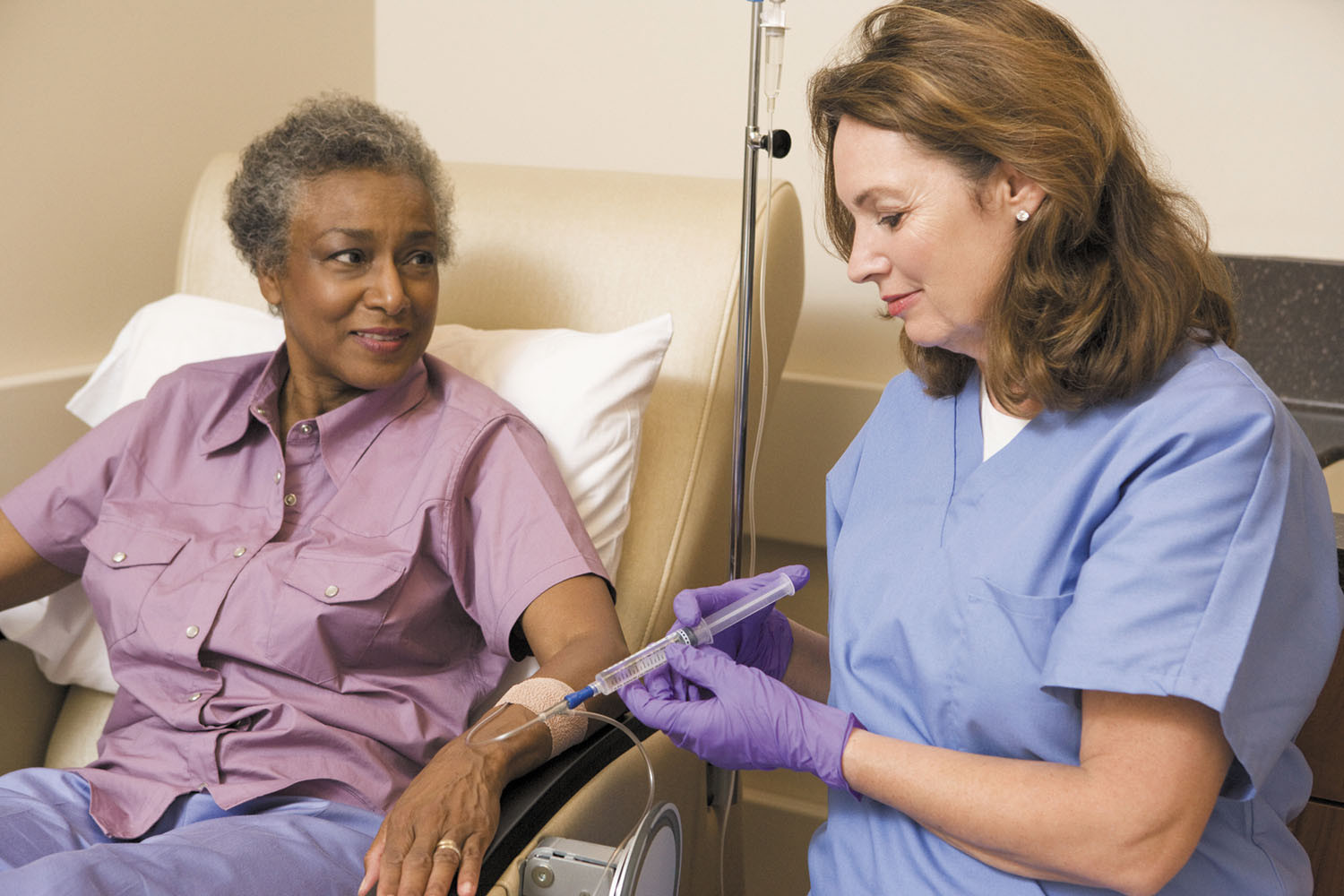
Cancer survivors: A higher risk of heart problems?
If you're among the nearly 17 million adults in this country who's had cancer, pay extra attention to your heart health.
Thanks to advances in early detection and treatment, people with cancer are living far longer than in past decades. But cancer survivors should be aware that cancer and its treatments can compromise cardiovascular health, according to a recent study from the CDC.
Researchers studied more than 840,000 adults, including about 69,000 cancer survivors, to see how much cancer "ages" the heart. They found that adult men treated for cancer had hearts that appeared to be 8.5 years older than their actual age, while the hearts of women who survived cancer appeared to be 6.5 years older.

Fight chronic inflammation and cholesterol to protect your heart
It takes a one-two punch to lower these risks for heart disease, heart attack, and stroke.
High cholesterol has long been known as a bad actor in heart health. Too much LDL (bad) cholesterol in your blood can lead to fatty deposits in your arteries and the formation of artery-narrowing plaque (atherosclerosis), heart attacks, and strokes.
But LDL doesn't act alone. Chronic inflammation — a persistent activation of the immune system — also fuels heart attack and stroke risks. That means you must address both high LDL levels and chronic inflammation to protect your health.

How is treatment for myasthenia gravis evolving?
Myasthenia gravis (MG) is a rare neuromuscular disease that impairs the transmission of nerve signals to muscles, causing temporary weakness of affected muscles. While treatment is complex, recently updated guidelines have added to the understanding of MG and are improving approaches to treatment.

Sleep, stress, or hormones? Brain fog during perimenopause

How much will fried foods harm your heart?
News briefs
Fried foods carry heart risks in part because they spur inflammation. But how many servings of crispy French fries does it take to raise your risk for cardiovascular disease? Not many, suggests a large analysis published online Jan. 18, 2021, by the journal Heart. Scientists pooled the findings of 17 studies on fried foods and problems like heart attacks, clogged coronary arteries, heart failure, and stroke. The studies included more than half a million people. Researchers also looked at the data from another six studies assessing the association of eating fried food and dying prematurely. Those studies involved more than 750,000 people. People who ate the most fried foods each week were 28% more likely to have heart problems, compared with people who ate the least. Each additional 114-gram (4-ounce) serving of fried foods per week bumped up overall risk by 3%. But the analysis failed to show that people who ate lots of fried foods were more likely to die prematurely. Besides provoking inflammation, fried foods are often also high in sodium as well as harmful saturated fats. If you choose to indulge in them, do it sparingly. And avoid foods fried in animal fats; instead, choose foods fried in vegetable oils.
Image: © Amarita/Getty Images

When it comes to activity, the more the better
In the journals
Regular exercise is good medicine, but more may be better, suggests a study published online Jan. 12, 2021, by PLOS Medicine. Scientists asked more than 90,000 people without heart disease to wear a fitness tracker for a week to measure the duration and intensity of their physical activity. Five years later, they found that the most active people were less likely to have had a heart attack or stroke or be diagnosed with heart disease.
That's no surprise, but the researchers also discovered that risk continued to shrink as weekly minutes of activity and intensity rose. People who exercised the most and at the highest intensity had the best odds of maintaining good cardiovascular health. Guidelines recommend people get 150 to 300 minutes of moderate-intensity exercise per week, but these findings suggest that trying to do a little extra — whether in time, intensity, or both — offers more reward.

Which blood pressure number matters most?
Ask the doctor
Q. My doctor told me I should get a home monitor to keep tabs on my blood pressure. Which number is most important in the reading, the top or the bottom one?
A. This question comes up often, perhaps because doctors and patients alike tend to pay more attention to the top (first) number, known as systolic pressure. It reflects the amount of pressure inside the arteries as the heart contracts. The bottom (second) number, diastolic pressure, is always lower since it reflects the pressure inside the arteries during the resting phase between heartbeats.

Arm yourself to get better blood pressure readings
In the journals
Blood pressure readings are usually done on only one arm, but a new analysis makes the case for checking both arms, as the difference between them may suggest an elevated risk for heart disease. The findings were published in the February 2021 issue of Hypertension.
Researchers examined 24 studies that measured blood pressure in both arms in 53,827 adults without high blood pressure. They found that a difference of more than five points between the left and right arm systolic readings (the top number) was linked with a 9% higher risk for a first-time heart attack or stroke and a 6% increase in cardiovascular death within 10 years. The greater the difference between the two readings, the higher the risk.

Is it dementia or something else?
Many cases of memory loss aren't related to dementia, but stem from other, treatable conditions.
You've been forgetting things lately — your keys, or maybe names. Sometimes you struggle to find the right word in conversations or repeat yourself to others. You may worry: are these signs of dementia?
If this sounds like you, you're not alone. Many people find their way into Dr. Tammy Hshieh's office wondering the same thing. But most of the time, it's not dementia causing their problems, says Dr. Hshieh, a geriatrician at Harvard-affiliated Brigham and Women's Hospital and Dana-Farber Cancer Institute and assistant professor of medicine at Harvard Medical School.
Naturally gluten-free foods
Harvard study: Healthier fats linked to longer life after prostate cancer diagnosis
Shingrix shingles vaccine linked with lower heart disease risks
Estrogen-only hormone therapy tied to lower dementia risk
Should you have a hysterectomy?
Stair climbing may significantly lower cardiovascular risks
Why do I sweat so much?
Walking pneumonia: The "mild" illness that can still pack a punch
What causes knee pain: How doctors make a diagnosis
Where you carry excess weight matters in predicting heart disease risk
Free Healthbeat Signup
Get the latest in health news delivered to your inbox!
Sign Up
