

Why do I sweat so much?

Walking pneumonia: The "mild" illness that can still pack a punch

Tai chi walking: What is it and does it work?

What causes knee pain: How doctors make a diagnosis
Sacroiliac joint pain: Causes, symptoms, and exercises that help
Where you carry excess weight matters in predicting heart disease risk
Study: At-home colorectal cancer screening may significantly cut colon cancer deaths

Fatty liver disease: Should you be tested?

Even a little exercise linked with lower stroke risk in people with afib

Testosterone therapy without evidence of deficiency may boost heart risk
Back Pain Archive
Articles
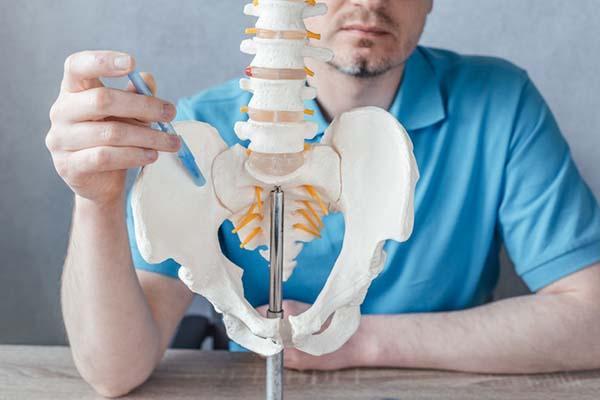
Sacroiliac joint pain: Causes, symptoms, and exercises that help
Sacroiliac joint pain is felt in the lower back and buttocks, usually on one side of the body. The cause is often not known. Common treatments include physical therapy, bracing, steroid injections, and radiofrequency ablation.
Migraine: How it's diagnosed and what that means
Migraine can’t be diagnosed using a blood test, imaging scan, or biopsy. Rather, doctors typically diagnose this headache disorder solely through a person’s reported symptoms (including how often they occur and how long they last), triggers, and a family history of migraine.
Does caffeine help ease headaches — or does it cause them?
Caffeine is likely to help prevent or dull headaches when it’s used consistently and in moderation. For most adults, moderation means the amount in about one to two cups of coffee a day.

Self-directed cognitive behavioral therapy may help alleviate chronic pain
A 2026 study of adults with chronic musculoskeletal pain found that a largely self-directed cognitive behavioral therapy (CBT) program was slightly more effective than traditional clinician-delivered CBT in relieving chronic pain.
Sciatica 101 Quiz: How much do you really know?
How much do you really know about sciatica—the type of back and leg pain that can stop you in your tracks? Many people live with aches, tingling, or shooting pain down the leg without fully understanding what’s behind it, how it’s treated, or when it’s time to call a doctor.


Could there be a connection between obesity, depression, and fibromyalgia?
Many people with fibromyalgia also struggle with mood changes and extra weight. Research suggests links, but which comes first remains unclear.
Are fibromyalgia and irritable bowel syndrome linked?
Many people live with both IBS and fibromyalgia, facing gut issues plus ongoing pain and fatigue. Doctors suspect a connection, but it’s not yet clear how the two are linked.

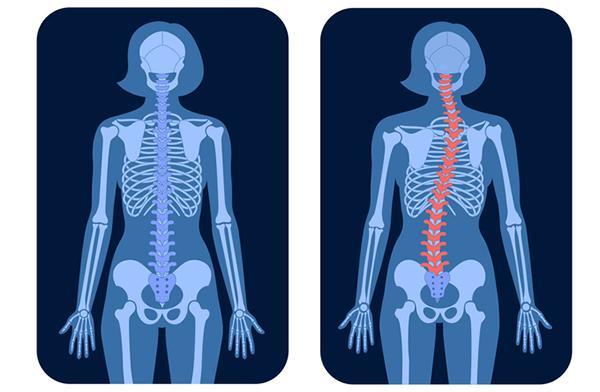
Scoliosis treatment: Can it help as you get older?
Many older adults with scoliosis—a C- or S-shaped sideways spinal curve—aren’t aware of it. Others noticeably lean to one side, and some have pain and limited range of motion in the spine. Physical therapy, including core strengthening and improving the stability of the trunk, can help.
Why do I sweat so much?
Walking pneumonia: The "mild" illness that can still pack a punch
Tai chi walking: What is it and does it work?
What causes knee pain: How doctors make a diagnosis
Sacroiliac joint pain: Causes, symptoms, and exercises that help
Where you carry excess weight matters in predicting heart disease risk
Study: At-home colorectal cancer screening may significantly cut colon cancer deaths
Fatty liver disease: Should you be tested?
Even a little exercise linked with lower stroke risk in people with afib
Testosterone therapy without evidence of deficiency may boost heart risk
Free Healthbeat Signup
Get the latest in health news delivered to your inbox!
Sign Up
