

Reading the current blood pressure guidelines

Oat vs. dairy milk: Nutrition, benefits, and downsides

Microplastics: A hidden health threat?

Healing after food poisoning

What is tempeh? Benefits, nutrition, and how to use it

Light exposure at night may raise risk for heart disease

Whole grains may improve several heart risk factors at once

A lumbar belt may help ease low back pain

Children of centenarians may stay healthier and live longer too, study finds

Signs of pneumonia: Sometimes vague and unexpected
Anxiety Archive
Articles
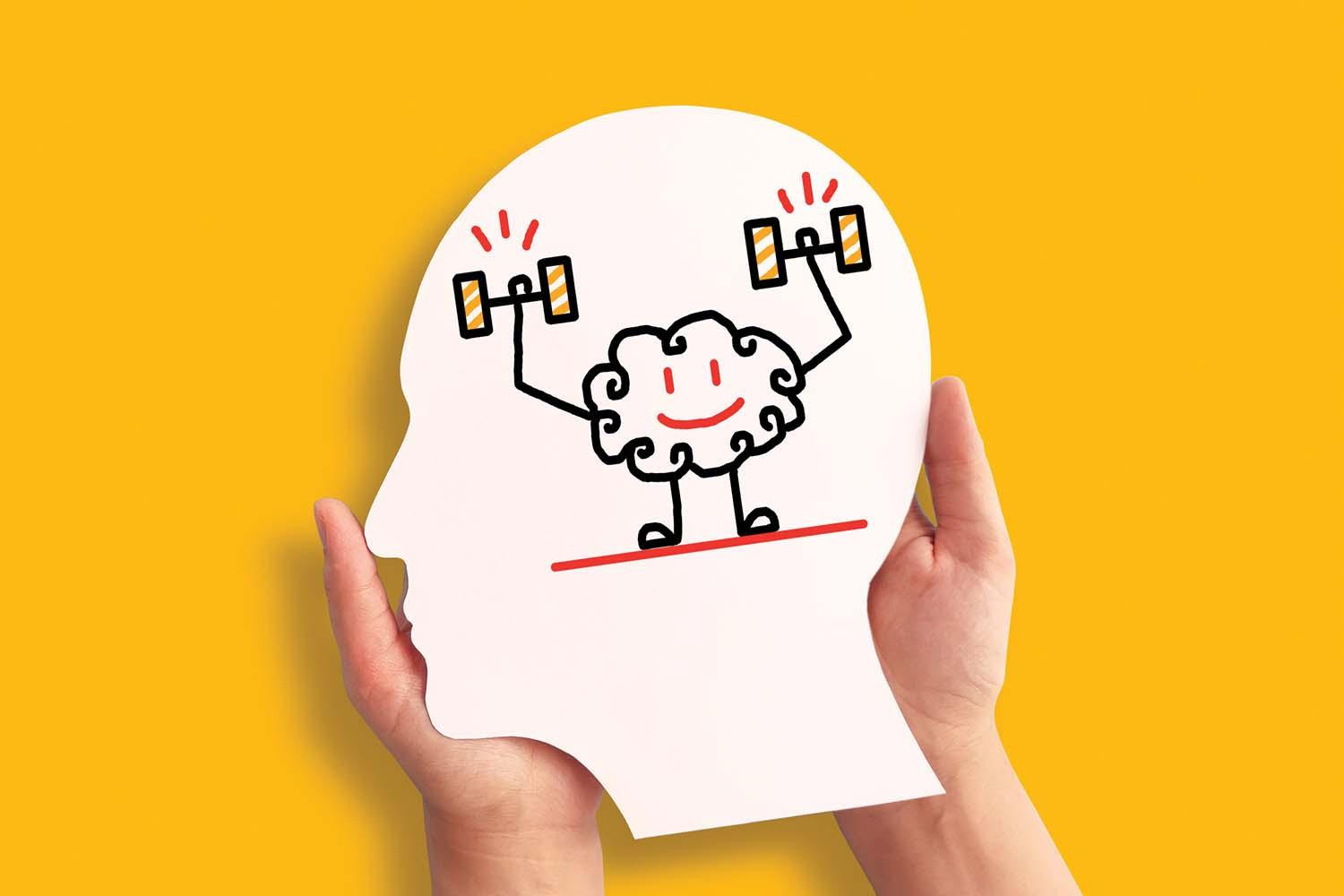
Boost your cognitive fitness in the new year
The new year is a good time to focus on cognitive fitness. Exercise, healthy eating, mental challenges, good sleep, controlling stress, and social engagement support neuroplasticity and help keep thinking and memory sharp.

Yes, you can overcome malaise!
Malaise is a feeling of weakness, fatigue, or being generally unwell. Addressing underlying causes and making healthy lifestyle changes - such as exercising regularly, eating a healthy diet, and getting enough sleep - can help people with malaise feel better.

Tips to cultivate your joyspan
Joyspan is a term coined by gerontologist Kerry Burnright that refers to the satisfaction and well-being people experience as they move through life. Joy is associated with health benefits such as better immune function, resilience, and longevity.

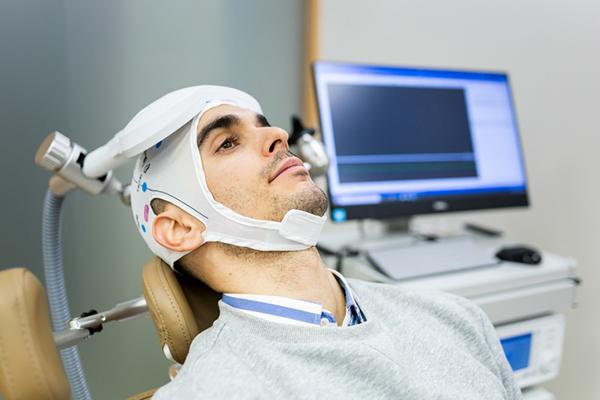
TMS treatment may succeed when depression drugs fail
Transcranial magnetic stimulation (TMS) uses magnetic pulses to repeatedly activate areas of the brain involved in mood regulation. Updated protocols hold the promise of rapid relief from major depression.

Psychological distress common in heart attack survivors
Up to half of heart attack survivors experience some form of psychological distress after the event, including depression, anxiety, or stress, according to a 2025 statement from the American Heart Association.
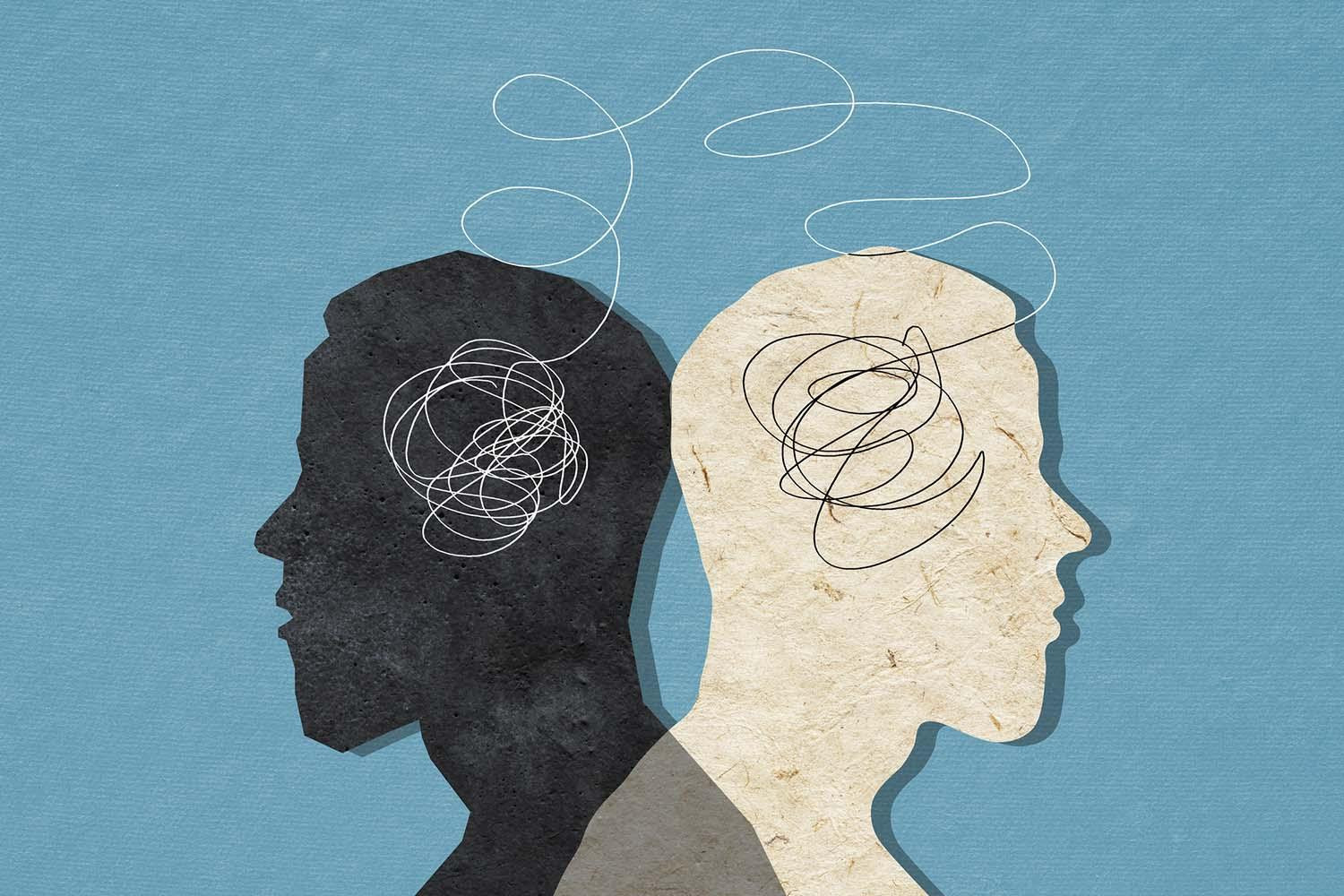
How cognitive behavioral therapy can help men
Men who could benefit from therapy often resist it because it carries a negative stigma for them and they feel uncomfortable about seeking help. For these individuals, cognitive behavioral therapy (CBT) may be an option. Many men find CBT appealing because it is short-term, structured, and focused on current issues. CBT is regularly used to treat depression and anxiety disorders, but it can help with managing other common ailments, such as insomnia, chronic pain, irritable bowel syndrome, chronic fatigue syndrome, fibromyalgia, and migraines.
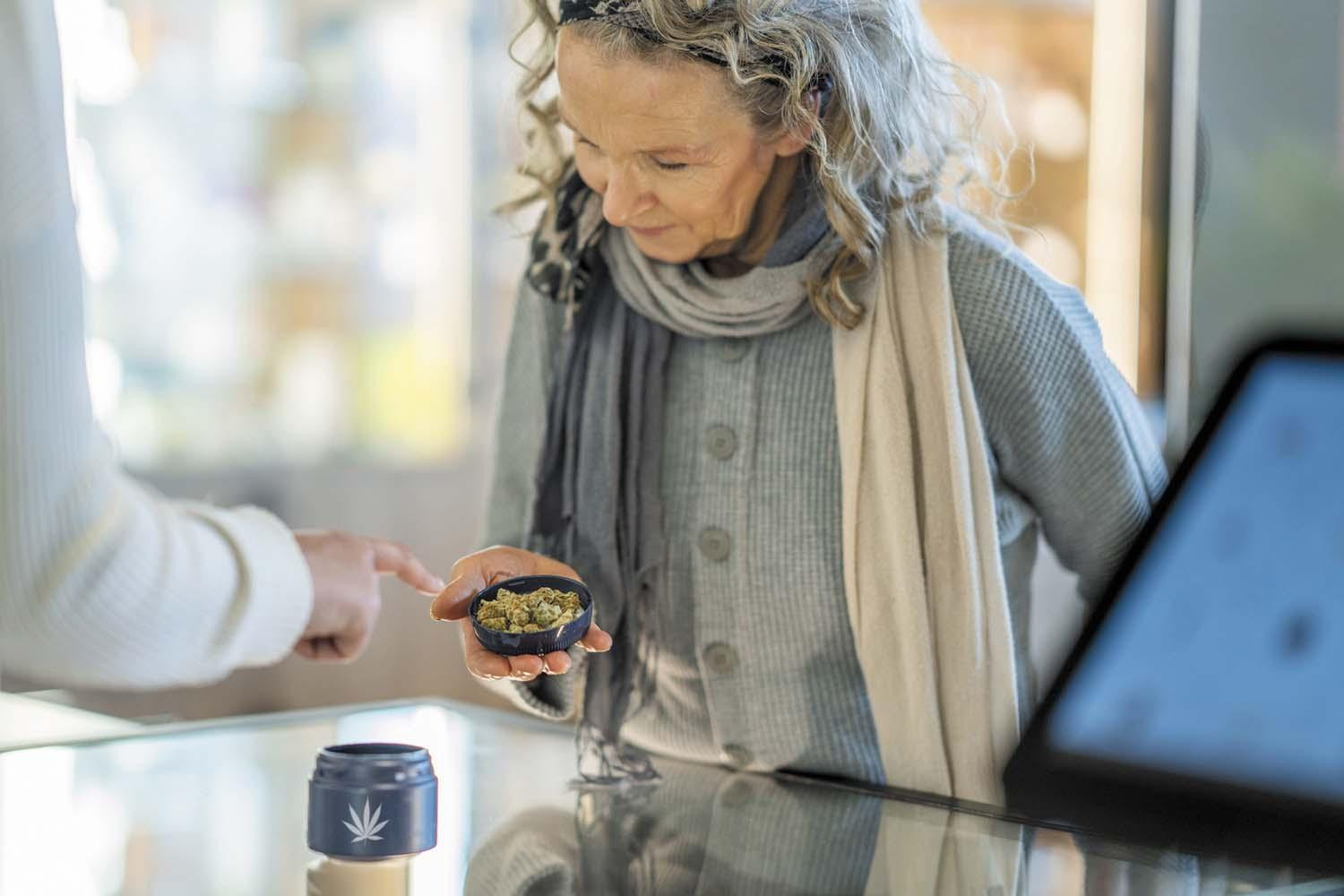
Relief or risk? Using cannabis as we age
Increasing numbers of older adults are using cannabis over recent years. People over 50 report using it to relax, sleep better, feel good, relieve pain, improve mood or mental health, or treat medical conditions. But older adults are more vulnerable to cannabis side effects, such as falls or interactions with prescription and over-the-counter drugs. Many older adults aren't aware that cannabis products today are far more potent than in decades past. Medical visits related to cannabis use rose more than 27-fold among adults 65 and older between 2008 and 2021.

Fuzzy memory? Try these strategies
Simple strategies can help someone fight age-related memory slips. Tips include repeating new information by saying it out loud or writing it down a few times; associating an image with someone's name, such as thinking of a bouquet of roses after meeting a person named Rosie; grouping information in chunks, similar to grouping digits in a phone number; and writing information out by hand (as opposed to typing), which forces the brain to process and absorb data.
Reading the current blood pressure guidelines
Oat vs. dairy milk: Nutrition, benefits, and downsides
Microplastics: A hidden health threat?
Healing after food poisoning
What is tempeh? Benefits, nutrition, and how to use it
Light exposure at night may raise risk for heart disease
Whole grains may improve several heart risk factors at once
A lumbar belt may help ease low back pain
Children of centenarians may stay healthier and live longer too, study finds
Signs of pneumonia: Sometimes vague and unexpected
Free Healthbeat Signup
Get the latest in health news delivered to your inbox!
Sign Up
