

CoQ10: Should you take this popular supplement if you're on a statin?

Microplastics: A hidden health threat?

Oat vs. dairy milk: Nutrition, benefits, and downsides

What is tempeh? Benefits, nutrition, and how to use it

Healing after food poisoning

Children of centenarians may stay healthier and live longer too, study finds

Light exposure at night may raise risk for heart disease

A lumbar belt may help ease low back pain

Whole grains may improve several heart risk factors at once

Signs of pneumonia: Sometimes vague and unexpected
Anxiety Archive
Articles
How does blood pressure work?
Blood pressure is the push of blood through the body, like water through a hose. Pressure depends on how hard the heart pumps, how much blood there is, and how tight small vessels are, all influenced by hormones, salt, fluids, and stress.


3 ways to create community and counter loneliness
Loneliness boosts risk for many health problems, and can even contribute to an early death. Many people find it hard to reach out to make new friends, but there are strategies that can help.

Pouring from an empty cup? Three ways to refill emotionally
Burnout - whatever the cause - can lead to depression and anxiety, and affect your relationships and ability to function. But it's possible to replenish your energy and enjoyment of life.

Spirituality may protect against substance misuse
A 2026 study suggests that people who engage in spiritual practices and communities are significantly less likely than non-practitioners to misuse alcohol, tobacco, marijuana, and illicit drugs and better able to recover from substance abuse.

Diagnosing and treating premenstrual dysphoric disorder
Women who experience severe premenstrual symptoms may have a condition called premenstrual dysphoric disorder. Antidepressants may relieve these symptoms and, depending on the person, can be taken intermittently instead of daily.
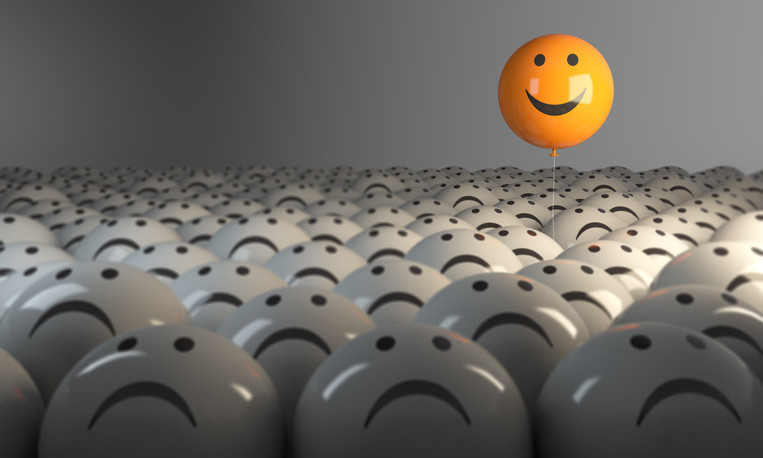
Break free from 3 self-sabotaging ANTs - automatic negative thoughts
Automatic negative thoughts are reactions that compel people to interpret many situations in unbalanced, upsetting ways. But with practice, people can learn to recognize and disarm distorted thinking.


CoQ10: Should you take this popular supplement if you're on a statin?
Microplastics: A hidden health threat?
Oat vs. dairy milk: Nutrition, benefits, and downsides
What is tempeh? Benefits, nutrition, and how to use it
Healing after food poisoning
Children of centenarians may stay healthier and live longer too, study finds
Light exposure at night may raise risk for heart disease
A lumbar belt may help ease low back pain
Whole grains may improve several heart risk factors at once
Signs of pneumonia: Sometimes vague and unexpected
Free Healthbeat Signup
Get the latest in health news delivered to your inbox!
Sign Up
