

CoQ10: Should you take this popular supplement if you're on a statin?

Oat vs. dairy milk: Nutrition, benefits, and downsides

Microplastics: A hidden health threat?

Healing after food poisoning

What is tempeh? Benefits, nutrition, and how to use it

Light exposure at night may raise risk for heart disease

Whole grains may improve several heart risk factors at once

A lumbar belt may help ease low back pain

Children of centenarians may stay healthier and live longer too, study finds

Signs of pneumonia: Sometimes vague and unexpected
Alzheimer's Disease Archive
Articles

You don't say? The smell of love
Pheromones, the "love chemical," are produced by many animals and insects to attract the opposite sex. It's possible that humans also may make and process pheromones through vomeronasal organs in our noses.

Do you pass the hearing test?
Approximately one in three people ages 65 to 74 has hearing loss, and nearly half of those older than 75 have difficulty hearing. Getting a hearing test is recommended to identify any hearing loss before it worsens and prescribe a hearing aid if needed. While hearing aids are traditionally expensive, new over-the-counter devices can make them more affordable for people with mild or moderate hearing loss.

New pediatric guidelines on obesity in children and teens
Rates of obesity in children have more than tripled in the past six decades, and are still climbing. With millions of children and teens at risk for the many complications of obesity, the American Academy of Pediatrics has updated its guidelines for pediatricians.

Time for a diabetes tune-up
A major theme of the 2023 American Diabetes Association Standards of Medical Care guide is healthy weight loss. The new guidelines also encourage collaboration on meaningful lifestyle changes that help with sleep and health metric targets.

Taking more steps a day might reduce dementia risk
People who take between 3,800 and 9,800 steps daily may reduce their risk for dementia, and walking at a brisk pace could offer even more protection, according to a 2022 study.

Finding a higher meaning
As people age, they are more likely to explore a religious or spiritual practice. Research has found that this type of engagement is linked to longer life and a lower risk of serious health issues. These practices also can offer comfort and support if and when a person needs to navigate difficult times.
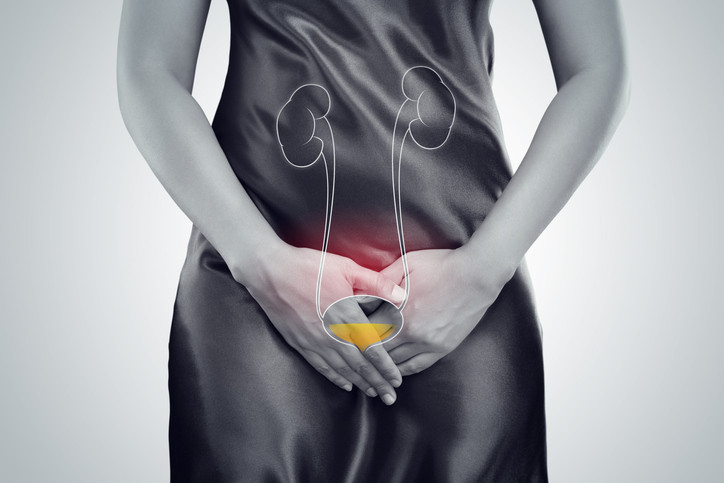
Did I cause my partner's bladder infection?
While a man cannot directly give his female partner a bladder infection, he can increase her risk with vigorous or frequent sexual intercourse.

Got a goiter?
An enlarged thyroid, called a goiter, or nodules on the gland are quite common, especially in women. Doctors pat down the neck during physical exams to help detect these conditions. Treatment depends on whether a lesion is cancerous or causing severe symptoms. Some goiters or nodules are simply monitored over time.

Bothered by a stuffed-up nose?
Several problems can block the passages on one or both sides of the nose. For example, allergies can inflame sensitive tissue inside the nose, reducing the space left for air to flow through nasal passages; a crooked wall (septum) separating the passages of the nose can block airflow, making it hard to breathe; and aging can cause tissues in the nose to sag, which can narrow nasal passages. Strategies to open nasal passages depend on the cause of obstruction. Treatments range from using nasal sprays to widening nasal passages with surgery.
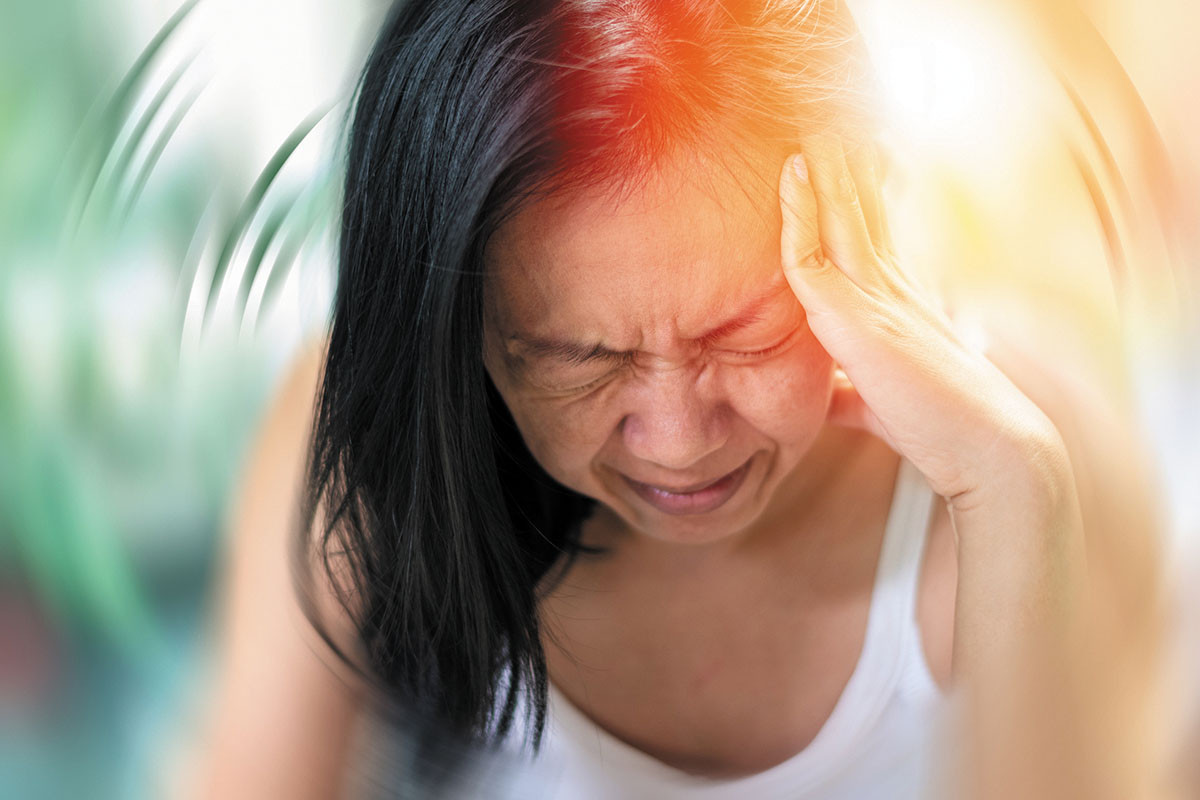
How can I tell if I have a concussion?
Concussions occur when the brain bumps or twists inside the skull after a blow to the head. Signs of concussion include headache, eye pain or fatigue, neck pain or stiffness, imbalance, impaired depth perception, difficulty remembering, or sleep pattern changes.
CoQ10: Should you take this popular supplement if you're on a statin?
Oat vs. dairy milk: Nutrition, benefits, and downsides
Microplastics: A hidden health threat?
Healing after food poisoning
What is tempeh? Benefits, nutrition, and how to use it
Light exposure at night may raise risk for heart disease
Whole grains may improve several heart risk factors at once
A lumbar belt may help ease low back pain
Children of centenarians may stay healthier and live longer too, study finds
Signs of pneumonia: Sometimes vague and unexpected
Free Healthbeat Signup
Get the latest in health news delivered to your inbox!
Sign Up
