

CoQ10: Should you take this popular supplement if you're on a statin?

Oat vs. dairy milk: Nutrition, benefits, and downsides

Microplastics: A hidden health threat?

Healing after food poisoning

What is tempeh? Benefits, nutrition, and how to use it

Light exposure at night may raise risk for heart disease

Whole grains may improve several heart risk factors at once

A lumbar belt may help ease low back pain

Children of centenarians may stay healthier and live longer too, study finds

Signs of pneumonia: Sometimes vague and unexpected
Alzheimer's Disease Archive
Articles

Want to reduce your risk of dementia? Get your hearing checked today
Dementia occurs more often among older people with higher levels of hearing loss than among those with normal hearing. A new study found that wearing hearing aids reduced the risk for dementia in people who had significant hearing loss.

A mindful way to help manage type 2 diabetes?
Lifestyle changes like regular exercise, a healthy diet, and sufficient sleep are cornerstones of self-care for people with type 2 diabetes. But can mind-body practices help people manage or even treat type 2 diabetes? An analysis of multiple studies suggests they might.

Managing the unthinkable
One in 10 Americans ages 65 and older has dementia. The condition is likely to progress slowly, offering couples the opportunity to adopt coping strategies that can smooth their path. Early on, you can consider treatment that may temporarily improve memory and thinking problems. People whose partners have been diagnosed should get informed about dementia, attend doctor's visits, take over certain tasks, keep routines, update legal documents, and join a support group.
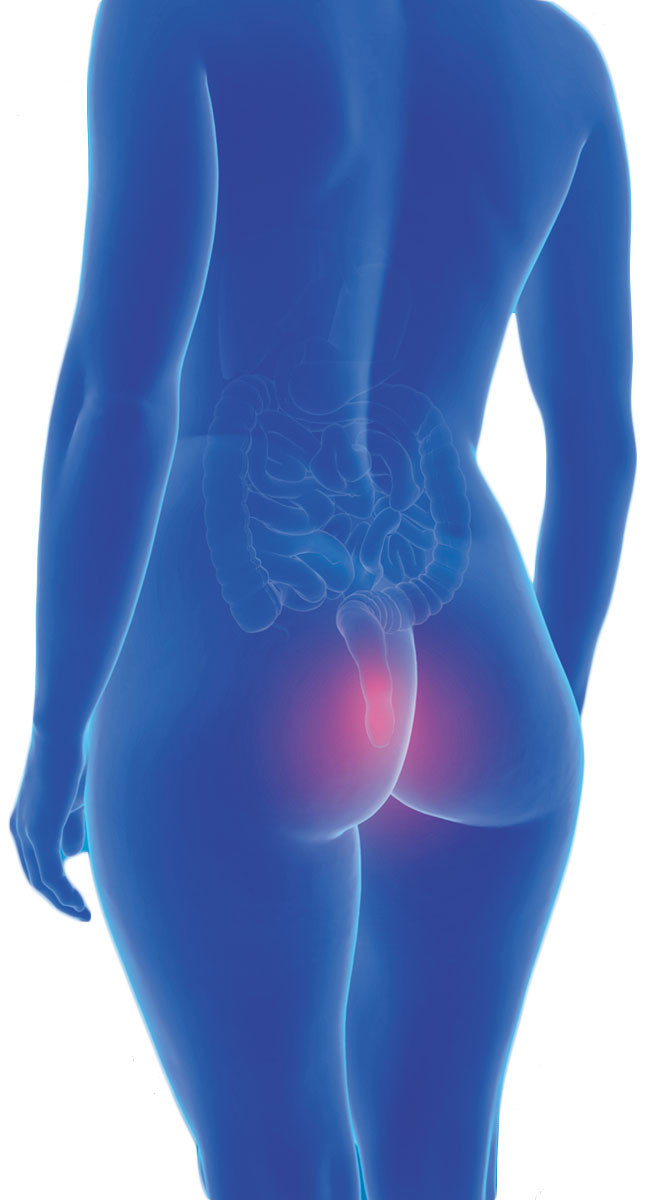
A pain in the rear
Everyone is born with the blood vessels that underlie hemorrhoids, but they may become problematic when they enlarge. Half of people have symptoms by age 50 that include pain, itching, swelling, and bleeding. Home remedies such as pain relievers, topical creams and ointments, sitz baths, and cold compresses don't eradicate hemorrhoids. In-office procedures can cut off blood supply to internal hemorrhoids, allowing them to fall off. Surgery is the only definitive treatment option for external hemorrhoids visible at the anus.

It may not be too late to protect against dementia
Older adults can still lower their risk for dementia by taking medication to decrease their high blood pressure, according to a recent study.

How to identify anxiety disorders
Some degree of anxiety is normal, but people who regularly struggle with anxiety may have an anxiety disorder. Symptoms can be linked with life changes, a medical condition, and specific situations, like a fear of heights, crowds, and social situations. Recognizing the symptoms can help people seek medical care to find the source of their anxiety and adopt appropriate treatment. Treatment might include medications, psychotherapy, or both.

A pill-free way to treat anxiety
A 2022 study found that taking a mindfulness-based stress reduction course and meditating daily was about as effective as taking medication for reducing symptoms of anxiety. Both strategies seemed to reduce anxiety by about 30% after eight weeks.
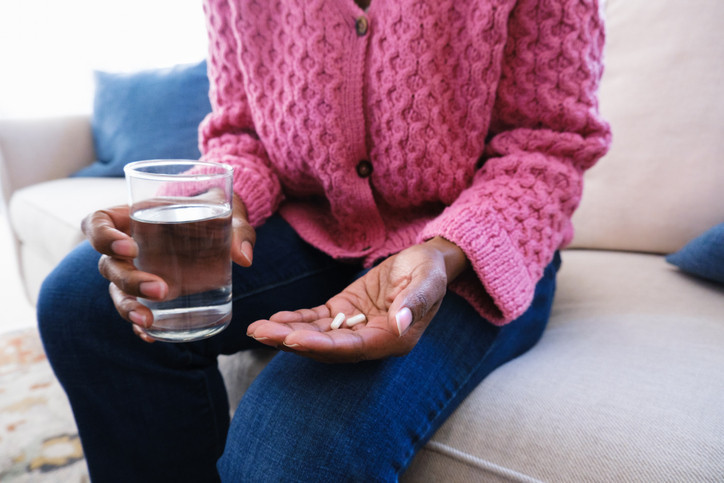
Don't count on a supplement to fix high cholesterol
A 2022 study found that taking supplements for four weeks to treat "bad" LDL cholesterol was ineffective, compared with taking a statin drug for four weeks. Supplements studied included fish oil, cinnamon, garlic, turmeric, plant sterols, and red yeast rice.

Poor sleep linked to a common cause of blindness
In a large 2022 study, people with unhealthy sleep patterns (those who snored, experienced daytime sleepiness, had insomnia, slept less than seven hours per night, or slept more than nine hours per night) were more likely to develop glaucoma than people with healthy sleep patterns.

Bring a fuzzy memory back into focus
Keeping the brain as healthy as possible might help slow the fuzzy thinking that develops with age-related brain changes. The best way to stay sharp is by living a healthy lifestyle: exercising regularly (at least 150 minutes per week of moderate-intensity exercise, like brisk walking), sleeping for seven to nine hours per night, eating a Mediterranean-style diet, managing stress, socializing, and learning new things. Doing crossword puzzles may also help sharpen cognition. So might treatment for underlying health conditions, such as depression or thyroid disease.
CoQ10: Should you take this popular supplement if you're on a statin?
Oat vs. dairy milk: Nutrition, benefits, and downsides
Microplastics: A hidden health threat?
Healing after food poisoning
What is tempeh? Benefits, nutrition, and how to use it
Light exposure at night may raise risk for heart disease
Whole grains may improve several heart risk factors at once
A lumbar belt may help ease low back pain
Children of centenarians may stay healthier and live longer too, study finds
Signs of pneumonia: Sometimes vague and unexpected
Free Healthbeat Signup
Get the latest in health news delivered to your inbox!
Sign Up
