

CoQ10: Should you take this popular supplement if you're on a statin?

Oat vs. dairy milk: Nutrition, benefits, and downsides

Microplastics: A hidden health threat?

Healing after food poisoning

What is tempeh? Benefits, nutrition, and how to use it

Light exposure at night may raise risk for heart disease

Whole grains may improve several heart risk factors at once

A lumbar belt may help ease low back pain

Children of centenarians may stay healthier and live longer too, study finds

Signs of pneumonia: Sometimes vague and unexpected
Alzheimer's Disease Archive
Articles
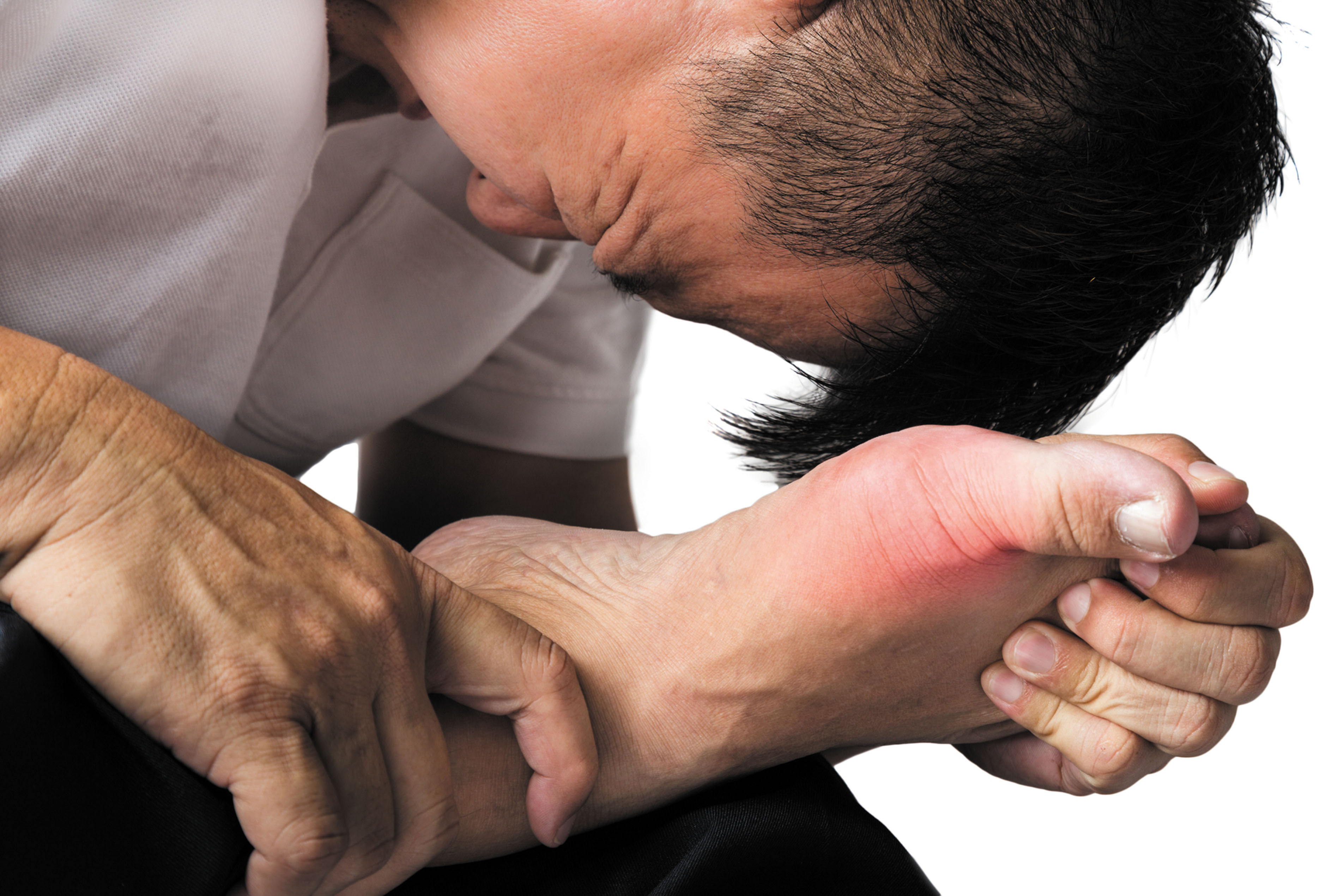
Gout linked with risk for heart attack and stroke
Gout strikes when too much uric acid builds up in the body and triggers severe pain, swelling, and redness in one or more joints, often in the big toe. New research suggests that an episode may increase the risk for a heart attack or stroke over the following two months.

Are your medications keeping you up at night?
Many medications can affect sleep. These include prescription drugs as well as over-the-counter remedies. For example, decongestants, certain antidepressants, or beta blockers can make it hard to fall or stay asleep, and nicotine replacement medications can cause a person to have nightmares. Strategies to avoid drug-related sleep problems include taking the medication during the day, taking a lower dose, practicing good sleep hygiene (such as going to bed and waking up at the same time each day), or switching to a new medication.
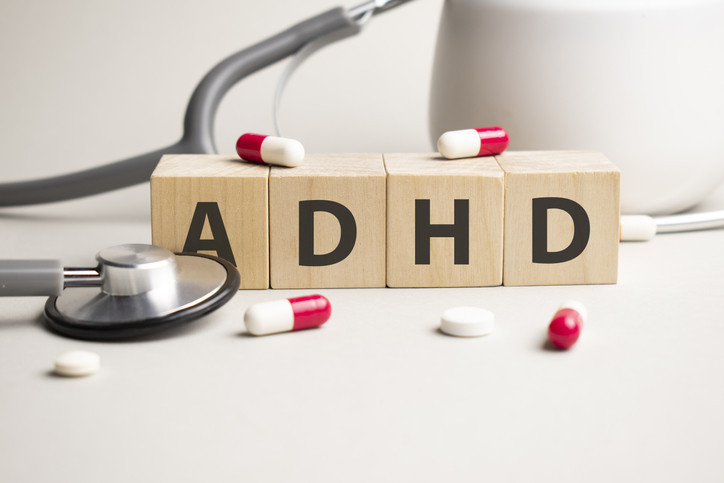
Attention deficit disorder linked to higher heart disease risk
People with attention-deficit hyperactivity disorder, a condition marked by trouble focusing and impulsive behavior, may be more likely to have cardiovascular disease that people without the disorder.

Genes protective during the Black Death may now be increasing autoimmune disorders
Genes that helped people survive during the time of the Black Death are more likely to be found in people with autoimmune diseases alive today. Does this tell scientists anything about what surviving the COVID-19 pandemic might mean for the world's population?

Walking linked to lower dementia risk
A 2022 study of 78,000 healthy people (ages 40 to 79) who wore fitness trackers found that people who walked about 9,800 steps per day (about five miles) were 51% less likely to develop dementia, compared with people who didn't walk much at all.

Have you done your crossword puzzle today?
A study found that people with mild cognitive impairment who did crossword puzzles regularly showed modest improvement in cognition and less brain shrinkage. Will doing crossword puzzles be helpful to people whose thinking and memory are normal?

Shortage of ADHD medicines: Advice on coping if you are affected
The prescription drug Adderall has been in short supply for months. How widespread is this problem, and what are the consequences, and possible solutions, for adults who rely on this medication to manage ADHD?

Can a multivitamin keep your brain healthy?
A recent study found that older adults who took a multivitamin daily for three years had improved scores on tests of executive function, memory, and overall brain function, but the study wasn't large enough, long enough, or diverse enough to rely on its conclusions alone.

High blood pressure linked to severe COVID despite vaccination
A 2022 study found that high blood pressure more than doubled the risk of being hospitalized from an Omicron-variant COVID-19 infection regardless of full vaccination, including a booster dose of an mRNA vaccine.
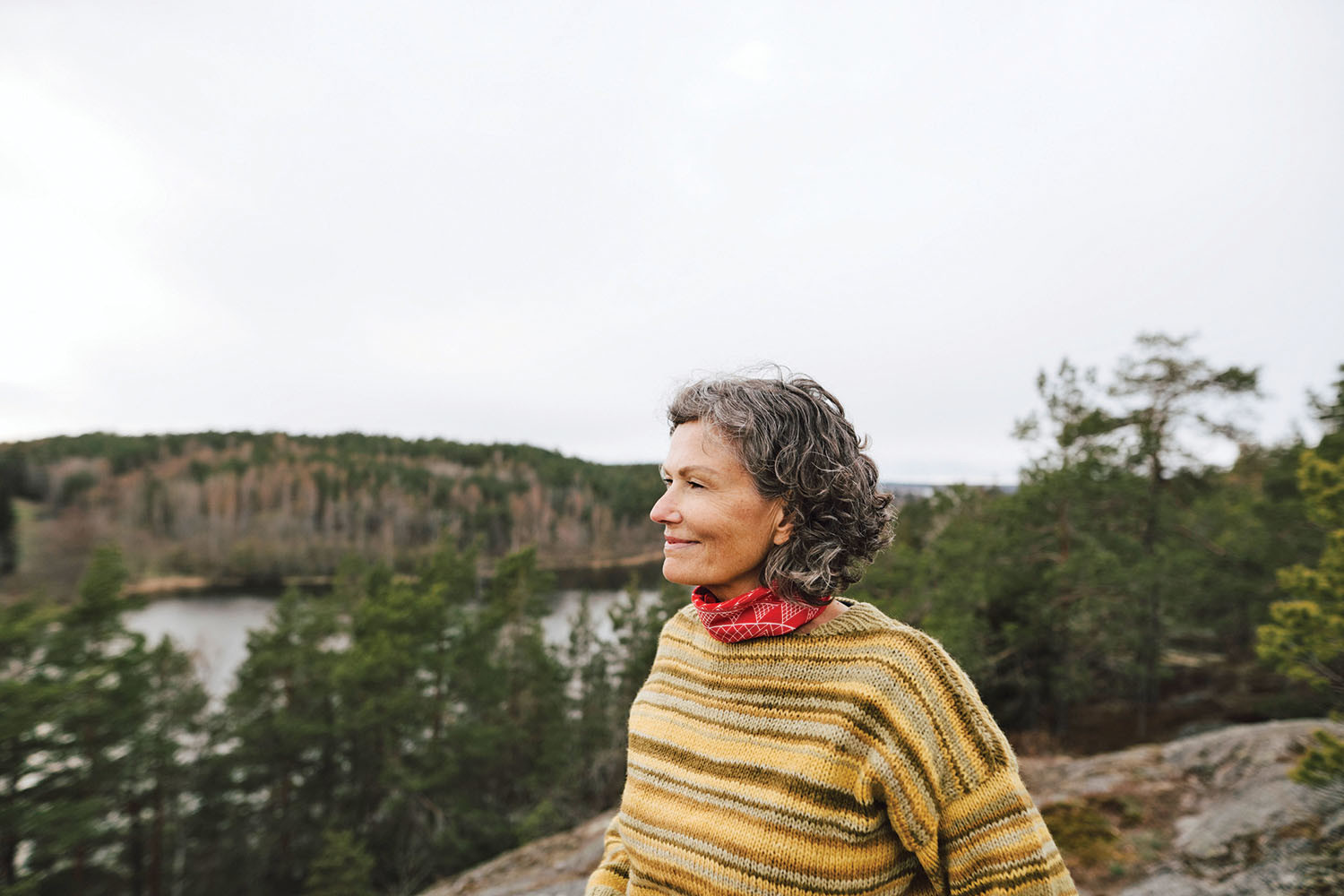
Beyond momentary calm
Mindfulness is the act of paying attention and focusing on the moment. Research has long shown mindfulness can help lower anxiety, but new studies suggest additional benefits. These include feeling less pain, making fewer mistakes, and being more resilient. Many people confuse meditation with mindfulness. Although there is some overlap, meditation is a practice that leads to being more mindful. Both meditation and mindfulness aim to help people stay present and nonjudgmental.
CoQ10: Should you take this popular supplement if you're on a statin?
Oat vs. dairy milk: Nutrition, benefits, and downsides
Microplastics: A hidden health threat?
Healing after food poisoning
What is tempeh? Benefits, nutrition, and how to use it
Light exposure at night may raise risk for heart disease
Whole grains may improve several heart risk factors at once
A lumbar belt may help ease low back pain
Children of centenarians may stay healthier and live longer too, study finds
Signs of pneumonia: Sometimes vague and unexpected
Free Healthbeat Signup
Get the latest in health news delivered to your inbox!
Sign Up
