

CoQ10: Should you take this popular supplement if you're on a statin?

Oat vs. dairy milk: Nutrition, benefits, and downsides

Microplastics: A hidden health threat?

Healing after food poisoning

What is tempeh? Benefits, nutrition, and how to use it

Light exposure at night may raise risk for heart disease

Whole grains may improve several heart risk factors at once

A lumbar belt may help ease low back pain

Children of centenarians may stay healthier and live longer too, study finds

Signs of pneumonia: Sometimes vague and unexpected
Alzheimer's Disease Archive
Articles

Hearing aids: Can they help thinking skills, too?
A 2022 review of dozens of randomized controlled trials and observational studies found that people who used hearing aids or cochlear implants had a 19% lower risk of cognitive decline, compared with people who didn't use the devices.

Harvard study: Shingles linked to a spike in risks for heart attack and stroke
A 2022 observational study that included more than 200,000 people found that those who'd had shingles at some point had a 30% higher long-term risk for a major cardiovascular event, compared with people who didn't have shingles.
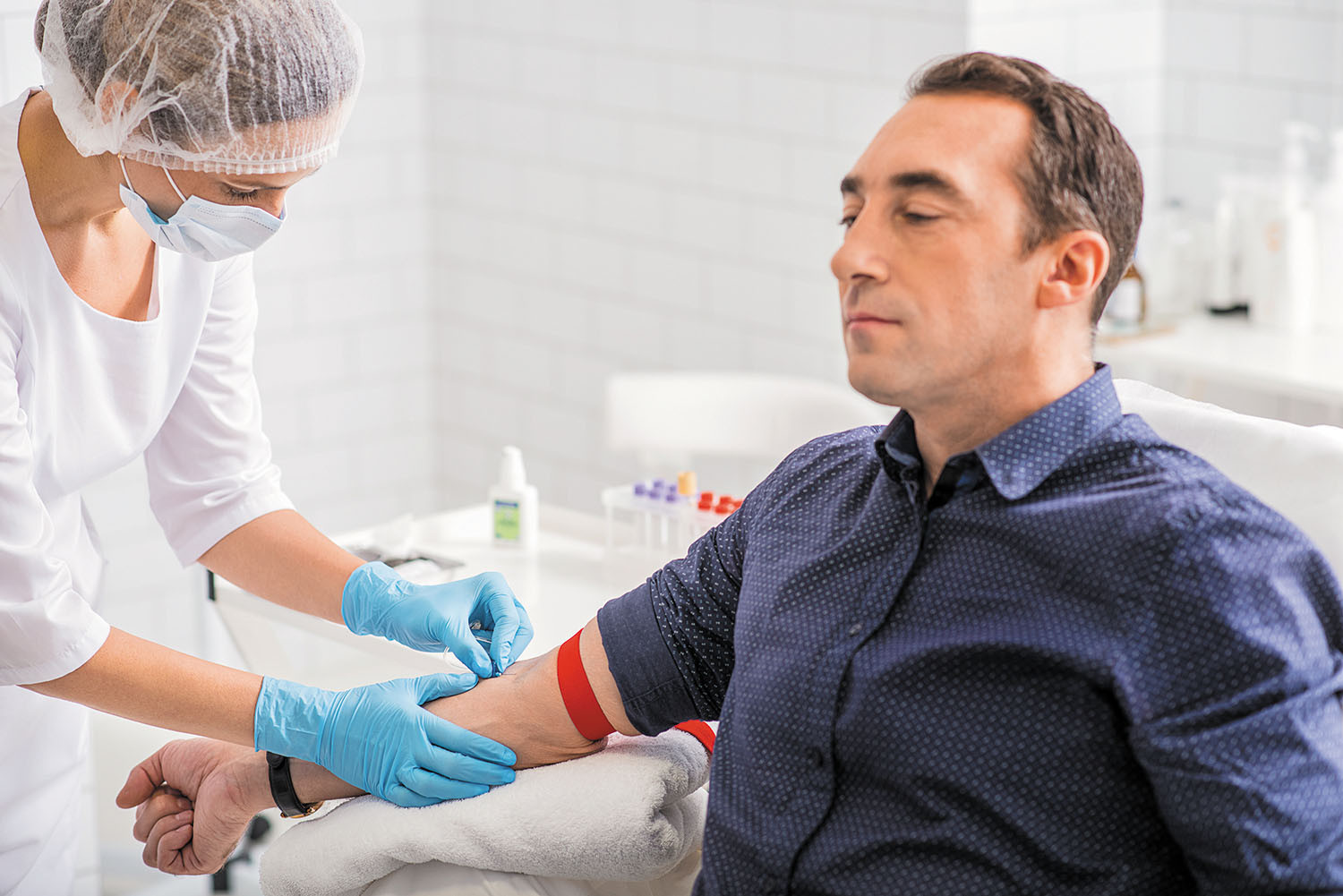
Tips to cope with medical test anxiety
Some people have anxiety about getting medical tests such as blood work, CT scans, or MRIs. When debating whether to skip a medical test due to fear, a person should get as much information as possible about the test or ask for medication to reduce pain or anxiety associated with the test. During a medical test, it may help to do relaxation exercises or focus on something fun planned for later in the day.

Why you keep waking up to go to the bathroom
Making one or more trips to the bathroom every night is the defining characteristic of a medical condition called nocturia. It can be caused by aging, lifestyle habits, or underlying conditions such as an overactive bladder or (in men) an enlarged prostate. Treating nocturia starts with lifestyle changes such as avoiding fluids several hours before bedtime, eliminating caffeinated drinks 10 hours before bedtime, and limiting evening alcohol intake. Medications, pelvic floor exercises, injections of botulinum toxin (Botox), or nerve stimulation treatments may also help.

Over-the-counter hearing aids: What we know so far
Over-the-counter hearing aids are now available in stores and online. They're regulated by the FDA, they don't require a prescription from a doctor, and they're cheaper than prescription hearing aids. But over-the-counter devices are not right for everyone. They're meant only for adults with perceived mild to moderate hearing loss. Before buying a pair, a person should do some homework to find devices with the right fit and features, including a trial period that allows the buyer to return them if they aren't working out.
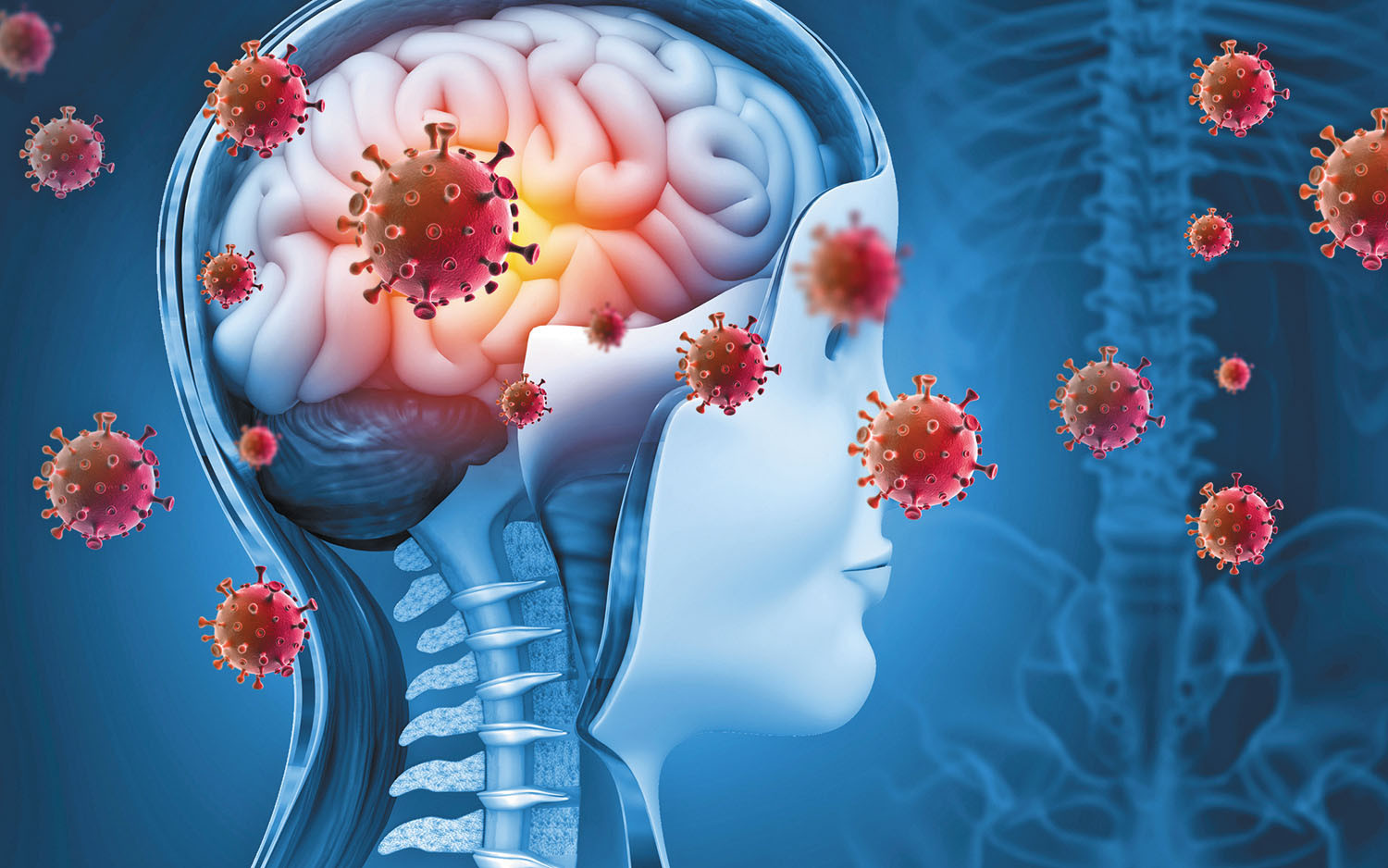
Does COVID-19 damage the brain?
COVID-19 can damage the brain in many ways. Initially, it can cause brain inflammation that causes confusion, difficulty concentrating, and memory problems. COVID also can cause new psychological disorders such as depression or anxiety. It can even cause people to see and hear things that aren't there and to believe things that aren't true. COVID often damages the brain's autonomic nervous system, leading to abnormalities in heart rate and blood pressure. Additionally, the virus that causes COVID can infect and injure the lining of blood vessels and make blood clot more easily, which can lead to strokes and heart attacks.

Spot the warning signs of 4 dangerous conditions
Sometimes people miss the symptoms of life-threatening conditions such as a heart attack, a stroke, atrial fibrillation, or a pulmonary embolism. To detect the warning signs, people should pay attention to sudden, new symptoms, especially if they include shortness of breath, chest pain, heart palpitations, lightheadedness, confusion, weakness, fatigue, fainting, or a terrible headache. Someone experiencing any of these symptoms should call 911. If symptoms aren't sudden or intense, and people aren't sure if they warrant emergency help, they should call their doctor.

Seeing a surgeon?
A pre-surgery consultation with the surgeon can feel overwhelming. Many people are anxious and have questions about what's to come. Setting the right expectations on both sides can ease anxiety and help define a successful outcome.

What is frontotemporal dementia?
Frontotemporal dementia (FTD) is a brain disorder caused by damage to nerves in certain parts of the brain. It typically affects people in middle age, and is characterized by marked changes in behavior or problems with language.

What happens when a drug goes viral?
| After celebrities touted its weight loss benefits, high demand put the diabetes medication Ozempic in short supply. Learn more about what this means for people with diabetes. |
CoQ10: Should you take this popular supplement if you're on a statin?
Oat vs. dairy milk: Nutrition, benefits, and downsides
Microplastics: A hidden health threat?
Healing after food poisoning
What is tempeh? Benefits, nutrition, and how to use it
Light exposure at night may raise risk for heart disease
Whole grains may improve several heart risk factors at once
A lumbar belt may help ease low back pain
Children of centenarians may stay healthier and live longer too, study finds
Signs of pneumonia: Sometimes vague and unexpected
Free Healthbeat Signup
Get the latest in health news delivered to your inbox!
Sign Up
