

CoQ10: Should you take this popular supplement if you're on a statin?

Oat vs. dairy milk: Nutrition, benefits, and downsides

Microplastics: A hidden health threat?

Healing after food poisoning

What is tempeh? Benefits, nutrition, and how to use it

Light exposure at night may raise risk for heart disease

Whole grains may improve several heart risk factors at once

A lumbar belt may help ease low back pain

Children of centenarians may stay healthier and live longer too, study finds

Signs of pneumonia: Sometimes vague and unexpected
Alzheimer's Disease Archive
Articles

Can you hear me now?
An estimated 30 million Americans experience some level of hearing loss, but only about 20% of them seek hearing aids. Many people can't accept they can't hear well, or won't act on symptoms. People should seek help if they have trouble hearing conversations, TV, and other sounds, and should see a doctor quickly if they have hearing loss in only one ear, pain, ear drainage, or vertigo. Visits with an audiologist and otolaryngologist (ear, nose, and throat doctor) are typically needed to get prescription hearing aids. Over-the-counter hearing aids are expected to be available online and in stores starting in late 2022.

A life-changing detour
Each year, millions of couples face one partner's serious diagnosis with a condition such as cancer, heart or kidney failure, or neurological illness, among others. People can support their partners through a difficult diagnosis and treatment by keeping communication open, maintaining daily routines, becoming informed about the medical condition, attending doctor visits, adding assistive devices in their home, getting wills and other legal documents in order, and seeking and accepting help from others.

Building a "cognitive reserve" offers brain protection in old age
A 2022 study suggests that following certain healthy habits throughout life can create a "cognitive reserve" that may protect the brain from dementia. People in their 60s and 70s can still build up their reserve by pursuing a combination of brain-stimulating activities.
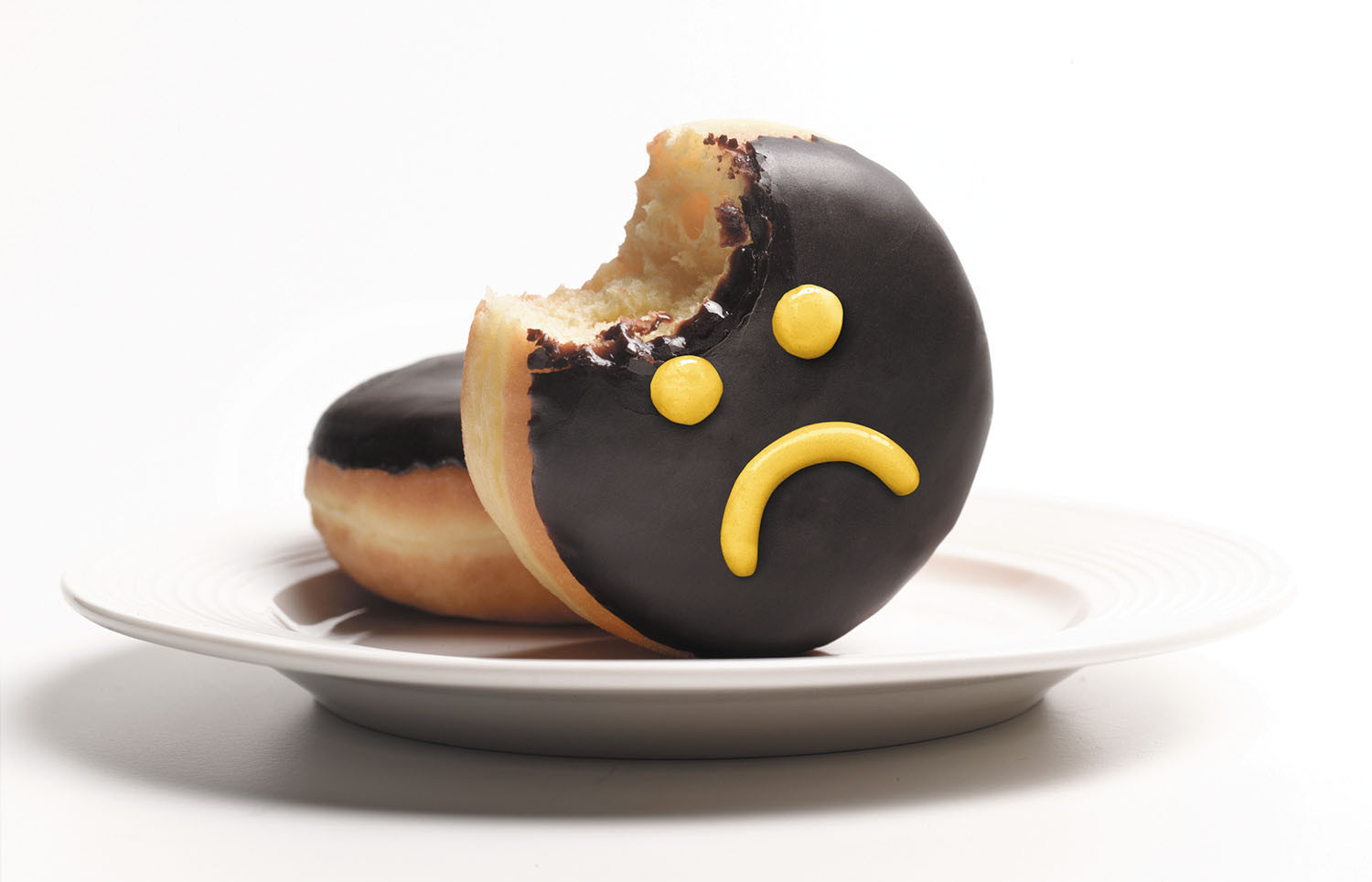
Cutting back on ultra-processed foods linked with lower dementia risk
People who ate large amounts of ultra-processed foods had a greater risk of later developing dementia compared with people who ate little of these foods, according to a 2022 study. Researchers estimated that switching out even 10% of ultra-processed foods for healthier options might lower one's risk.

Over-the-counter hearing aids are finally available
In August 2022, the FDA approved a new category of safe, regulated hearing aids to be sold over the counter. The devices are meant only for people with perceived mild-to-moderate hearing loss who need to amplify the volume of sounds around them.

Can these approaches really improve memory?
Scientists are studying two novel approaches to improve memory. One approach centers on molecules in the blood and spinal fluid that appear to help improve memory. So far, experiments have been limited to lab animals. Another approach involves exposing the brain to electrical currents. A study in humans, published online Aug. 22, 2022, by the journal Nature Neuroscience, found that electrical stimulation directed at specific areas of the brain improved both working memory and long-term memory for at least a month.

6 myths about dementia
There are many misconceptions about dementia. One is that it's a disease. In fact, dementia is a general term describing thinking and memory skills that have deteriorated to the point of experiencing problems with daily activities. Another myth is that dementia is part of normal aging. It isn't; dementia is simply more common as people get older — just like heart disease, stroke, and cancer. Other common myths about dementia include the notions that it always appears as memory loss, it's always genetic, it causes the loss of all memories, and it's never reversible.
People with kidney disease eat less fruits and veggies
A 2022 study found that people with chronic kidney disease were less likely than similar adults without the condition to eat fruits and vegetables. Researchers said more studies are needed to determine if this dietary pattern is a cause or a result of the disease.

Weighing the new approaches to treating Crohn's and ulcerative colitis
In recent years, treatment options for inflammatory bowel disease have expanded rapidly, with new types of drugs, new medications within existing classes, and new combinations of treatments for some patients.

Light therapy: Not just for seasonal depression?
Light therapy can help improve seasonal affective disorder (SAD). But many people don't realize that it can also be effective for major depression, and depression that occurs during or after pregnancy (known as perinatal depression).
CoQ10: Should you take this popular supplement if you're on a statin?
Oat vs. dairy milk: Nutrition, benefits, and downsides
Microplastics: A hidden health threat?
Healing after food poisoning
What is tempeh? Benefits, nutrition, and how to use it
Light exposure at night may raise risk for heart disease
Whole grains may improve several heart risk factors at once
A lumbar belt may help ease low back pain
Children of centenarians may stay healthier and live longer too, study finds
Signs of pneumonia: Sometimes vague and unexpected
Free Healthbeat Signup
Get the latest in health news delivered to your inbox!
Sign Up
