

CoQ10: Should you take this popular supplement if you're on a statin?

Oat vs. dairy milk: Nutrition, benefits, and downsides

Microplastics: A hidden health threat?

Healing after food poisoning

What is tempeh? Benefits, nutrition, and how to use it

Light exposure at night may raise risk for heart disease

Whole grains may improve several heart risk factors at once

A lumbar belt may help ease low back pain

Children of centenarians may stay healthier and live longer too, study finds

Signs of pneumonia: Sometimes vague and unexpected
Alzheimer's Disease Archive
Articles



Is online gambling harming you?
Online gambling is a popular and growing business, but for millions of Americans, what begins as occasional fun can lead to devastating problems. Trouble with gambling often builds gradually and severe gambling problems share risk factors with substance-related disorders.

How does exercise affect blood pressure?
A 2023 analysis of nearly 300 randomized trials found that several types of exercise were effective in lowering resting blood pressure. Exercise types included aerobic exercise, high-intensity interval training, dynamic resistance training, isometric exercise training, and combined training (aerobic exercise plus one of the other types of exercise). People who are over age 50 and have not been exercising much should check with a doctor before beginning a regular exercise program, since some types of exercise may not be right for them.
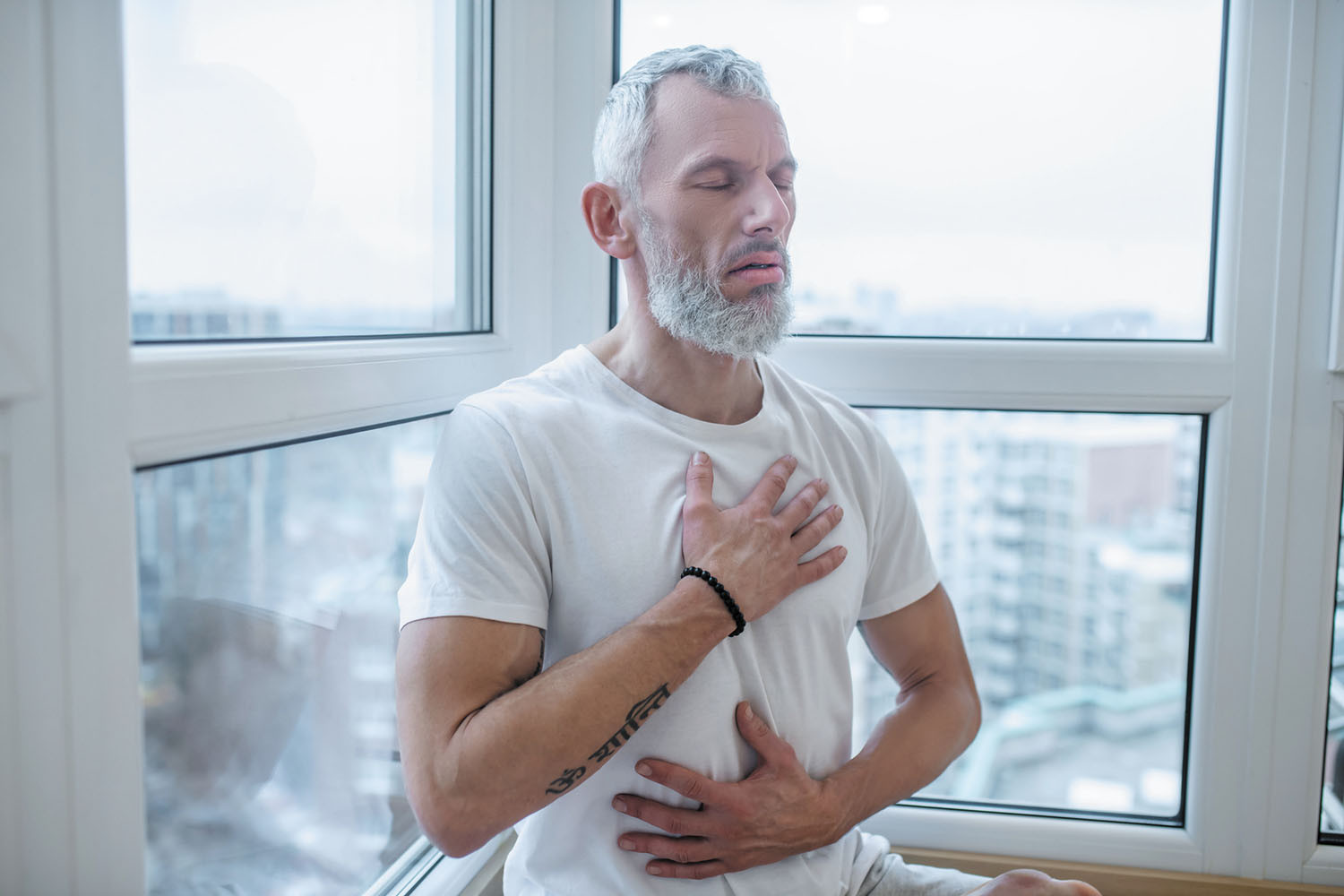
Try this: Take a tactical breather
Tactical breathing used by military and law enforcement personnel can help people manage anxiety and stay mentally sharp during stressful situations. It can also help calm a racing mind or soothe pain.

No bones about it
While the bone-weakening disease osteoporosis most often strikes women, about 6% of men ages 65 and older have it. Preventing osteoporosis and treating it if it occurs focuses on stopping or at least slowing bone loss. The main ways to do this are maintaining proper calcium and vitamin D levels and engaging in weight-bearing activities and exercises that help build muscle and improve balance. Raising low testosterone levels or taking a class of drugs known as bisphosphonates also may help.

Lending a helping hand
People who devote time to helping others are often happier than those who don't. Serving others also helps brain health by increasing social connections, which can protect against loneliness and depression, and improving executive function skills like planning, attention, and remembering tasks. Common ways to help others include volunteering, mentoring, random acts of kindness, and seeing life from another person's perspective.

Do I need any more COVID vaccinations?
Who should get COVID vaccine boosters and when will remain in flux for at least another year. This summer, the FDA instructed the vaccine makers to have the next COVID vaccine target the XBB.1.5 Omicron subvariant. The CDC will be issuing specific recommendations by October, but infectious disease experts expect the newer vaccine to provide the most benefit for people over 65 and those younger with chronic conditions.

Grief can raise blood pressure
A 2023 study suggests that extreme grief after losing a loved one can raise people's systolic blood pressure, posing cardiovascular risks.

The bumpy truth
Skin lumps or bumps occur on or just under the skin. Most are harmless. Aside from basal and squamous cell skin cancers, most other skin lumps are epidermal cysts or lipomas. Other growths include cherry angiomas, dermatofibromas, keloids, and very rarely cancerous tumors called sarcomas. People should seek medical attention for any lump appearing near lymph nodes, which sometimes signals cancer. A doctor should also evaluate growths that grow quickly, bleed, look infected, or feel painful. Most skin lumps or bumps don't need treatment.
CoQ10: Should you take this popular supplement if you're on a statin?
Oat vs. dairy milk: Nutrition, benefits, and downsides
Microplastics: A hidden health threat?
Healing after food poisoning
What is tempeh? Benefits, nutrition, and how to use it
Light exposure at night may raise risk for heart disease
Whole grains may improve several heart risk factors at once
A lumbar belt may help ease low back pain
Children of centenarians may stay healthier and live longer too, study finds
Signs of pneumonia: Sometimes vague and unexpected
Free Healthbeat Signup
Get the latest in health news delivered to your inbox!
Sign Up
