

CoQ10: Should you take this popular supplement if you're on a statin?

Oat vs. dairy milk: Nutrition, benefits, and downsides

Microplastics: A hidden health threat?

Healing after food poisoning

What is tempeh? Benefits, nutrition, and how to use it

Light exposure at night may raise risk for heart disease

Whole grains may improve several heart risk factors at once

A lumbar belt may help ease low back pain

Children of centenarians may stay healthier and live longer too, study finds

Signs of pneumonia: Sometimes vague and unexpected
Alzheimer's Disease Archive
Articles

Why are my ankles swollen?
Edema in the legs occurs when fluid backs up in the small vessels of the feet, ankles, or calves and pools in surrounding tissues. While most often not serious and easily managed, new or persistent edema requires medical evaluation.

Mastering memory maintenance
Memory loss is a pervasive worry. Dementia will affect an estimated nine million Americans by 2030 and 12 million by 2040. A 2023 study suggests six healthy lifestyle factors can significantly slow memory decline: eating a healthy diet, exercising regularly, not smoking, not drinking alcohol, being socially active, and engaging in brain-challenging activities. Another 2023 study suggests regular Internet use may be linked to a lower risk of dementia.


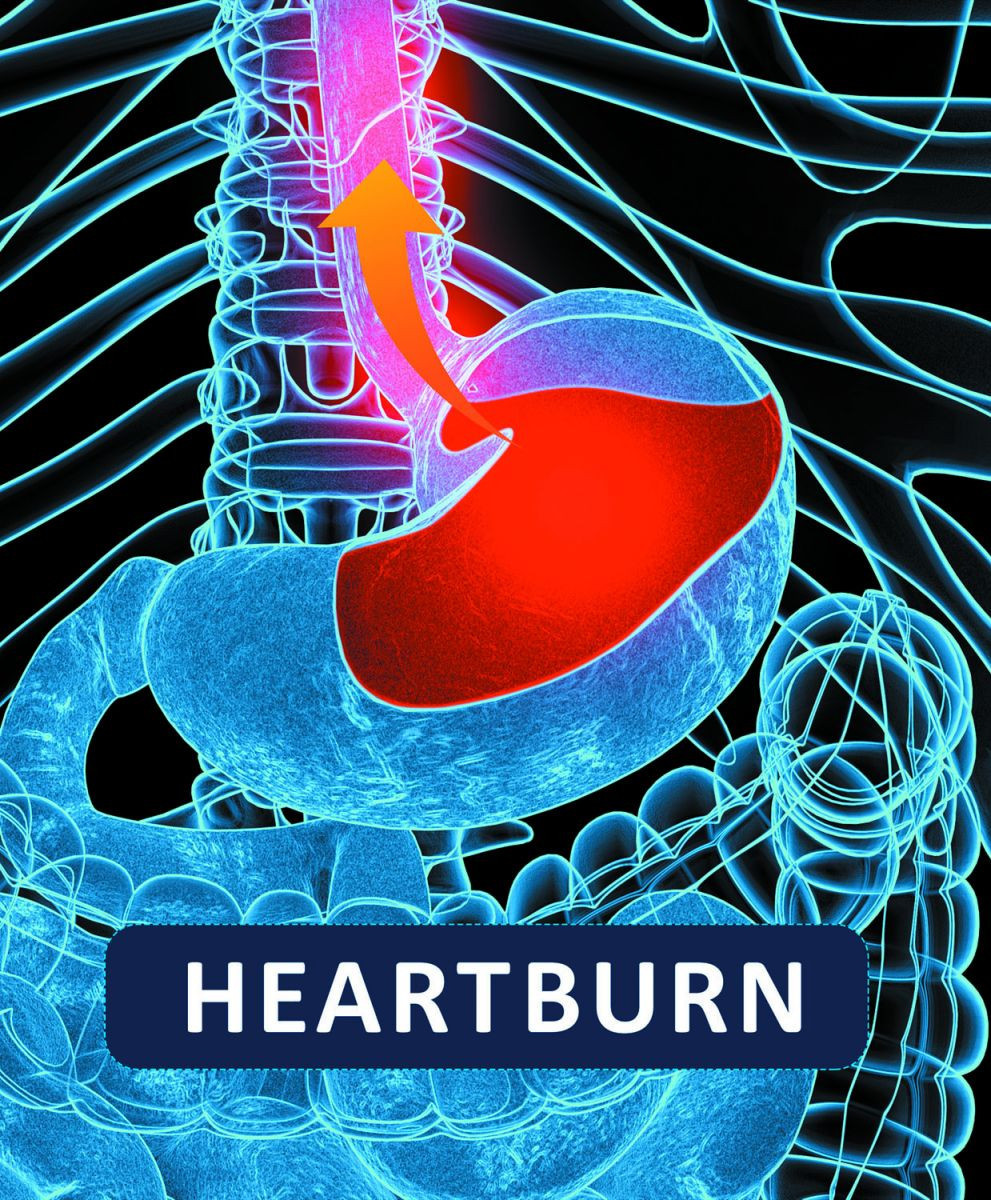
Upset stomach? Don't write it off
Dyspepsia is a frequent or persistent upset stomach. Sometimes no underlying cause is found. It can help to avoid foods that trigger the dyspepsia, such as fatty foods, and to eat smaller but more frequent meals.

What causes increased fatigue?
Fatigue is a relative term, meaning each of us evaluate our current energy level based upon how we feel most of the time. For example, people who are very energetic and go nonstop from early morning to late at night might say they have fatigue if they felt like most of us do every day.
Despite that variation, most people do have a sense when their level of fatigue feels like something more than just being tired. If that's case, even if it lasted only seven to 10 days, it's time to call your doctor's office. Signs that your fatigue might be related to an underlying illness or infection include low grade fever, night sweats, shortness of breath or loss of appetite. Other triggers for calling your doctor might be waking up exhausted despite a good night's sleep, not feeling motivated to begin the day, or struggling to do activities that are usually easy for you.
CoQ10: Should you take this popular supplement if you're on a statin?
Oat vs. dairy milk: Nutrition, benefits, and downsides
Microplastics: A hidden health threat?
Healing after food poisoning
What is tempeh? Benefits, nutrition, and how to use it
Light exposure at night may raise risk for heart disease
Whole grains may improve several heart risk factors at once
A lumbar belt may help ease low back pain
Children of centenarians may stay healthier and live longer too, study finds
Signs of pneumonia: Sometimes vague and unexpected
Free Healthbeat Signup
Get the latest in health news delivered to your inbox!
Sign Up
