

Light exposure at night may raise risk for heart disease

Whole grains may improve several heart risk factors at once

A lumbar belt may help ease low back pain

Children of centenarians may stay healthier and live longer too, study finds

Signs of pneumonia: Sometimes vague and unexpected

The surprising link between ovarian cancer and the fallopian tubes

Using a vibration plate: What it can — and can't — do for your body

People who walk more or walk faster live longer, study finds

For sleep apnea, a dental device may be as effective as CPAP

Rosacea treatments: What works?
Addiction Archive
Articles

Putting off retirement may benefit your brain, health, and longevity
The purpose and engagement of a job you love can keep you healthy and connected.
Image: © monkeybusinessimages/Thinkstock
While many women dream of kicking back and relaxing into retirement, there's increasing evidence that in some cases, it's better for your brain and your health to keep your nose to the grindstone a little longer.
"The research to date is mixed, but it tends toward the positive — that is, for many people, there are health benefits to working longer," says Dr. Nicole Maestas, associate professor of health care policy at Harvard Medical School.
Alzheimer’s wake-up call
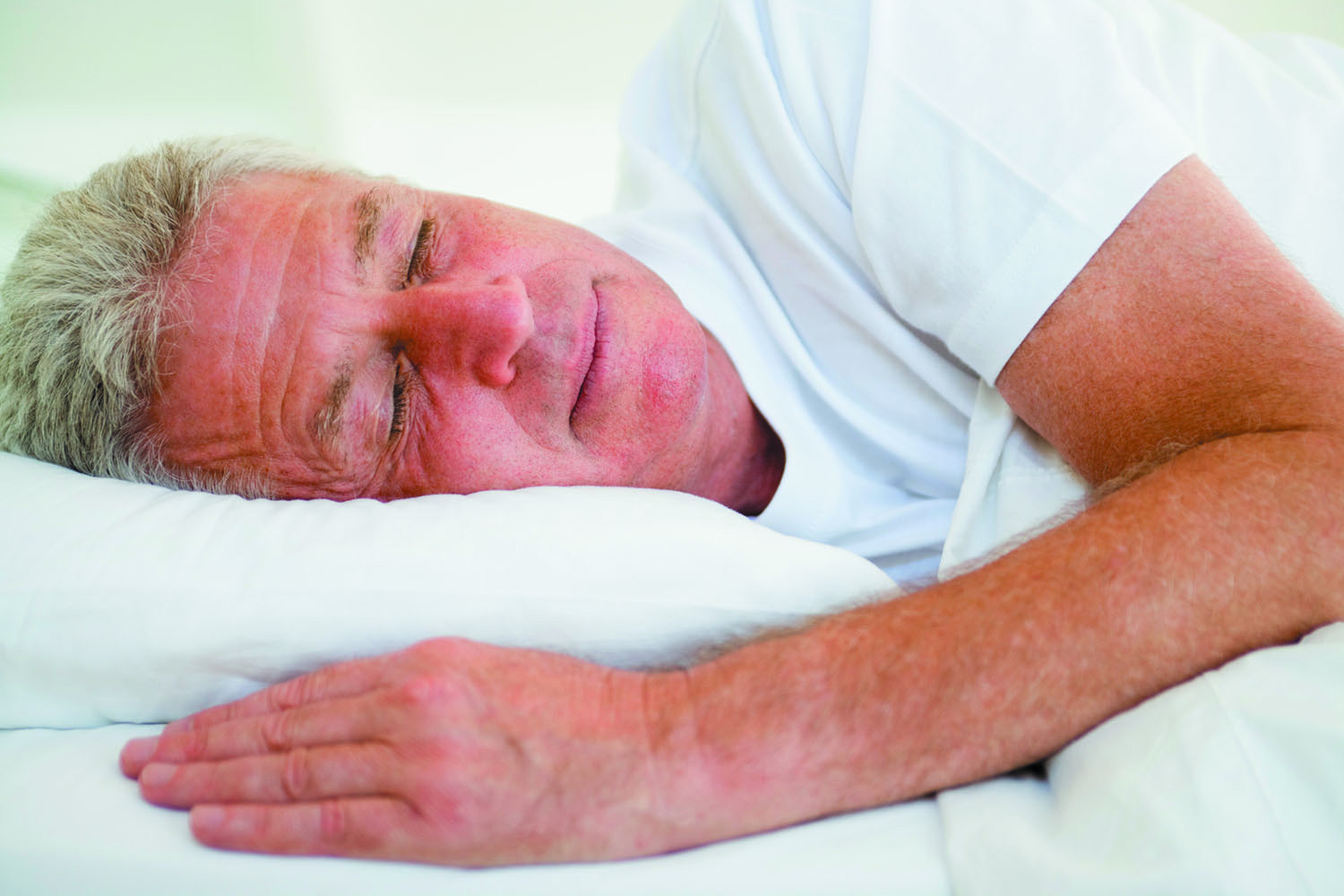
Can getting quality sleep help prevent the disease?
Image: © Monkey Business Images/Thinkstock
A good night's sleep does more than rejuvenate you for the next day. It may help protect you against Alzheimer's disease. Research has begun to show an association between poor sleep and a higher risk of accumulating beta-amyloid protein plaque in the brain, one of the hallmarks of the disease.
"Observational studies have found that adults over age 65 with amyloid plaques in their brain have reduced slow-wave sleep, which is thought to play an important role in memory function, even though these people do not yet show signs of Alzheimer's, like memory loss and cognitive decline," says Dr. Brad Dickerson, associate professor of neurology at Harvard Medical School. "It may be that quality sleep could play a role in who may get Alzheimer's."

How you deal with pain goes a long way toward relieving it
When you live with physical pain, changing your reaction to it can help you better manage discomfort and obstacles.
Image: © filipefrazao/Thinkstock
Dealing with chronic physical pain, no matter the source or severity, is a constant challenge, but sometimes the emotional pain that comes with it can be just as trying. In fact, more than half of people with pain feel they have lost control of their lives, according to the American Academy of Pain Medicine.
"In general, men tend to be less verbal about seeking help with their physical pain," says Dr. Ellen Slawsby, director of pain management at the Benson-Henry Institute for Mind Body Medicine at Harvard's Massachusetts General Hospital.

Better habits, better brain health
Exercising, maintaining good health, socializing, and learning new information may help keep you sharper, longer.
Everyone wants to live an active, vibrant life for as long as possible. And that goal depends on robust brain health. While we don't have a guaranteed way to prevent dementia, we do have increasing evidence that engaging in healthy lifestyle habits may help.
For example, a 2015 randomized controlled trial from Finland suggested that older adults with a number of healthy habits — such as eating a healthy diet, exercising regularly, and socializing — improved or maintained thinking skills and reduced the risk of cognitive decline.

How memory and thinking ability change with age
Scientists used to think that brain connections developed at a rapid pace in the first few years of life, until you reached your mental peak in your early 20s. Your cognitive abilities would level off at around middle age, and then start to gradually decline. We now know this is not true. Instead, scientists now see the brain as continuously changing and developing across the entire life span. There is no period in life when the brain and its functions just hold steady. Some cognitive functions become weaker with age, while others actually improve.
Some brain areas, including the hippocampus, shrink in size. The myelin sheath that surrounds and protects nerve fibers wears down, which can slow the speed of communication between neurons. Some of the receptors on the surface of neurons that enable them to communicate with one another may not function as well as they once did. These changes can affect your ability to encode new information into your memory and retrieve information that's already in storage.

To the point: Here’s what parents should know and do about Netflix’s To the Bone
A Netflix original movie about a young woman’s struggle with anorexia nervosa is raising questions among parents about whether the movie might glamorize the disorder, and how best to talk to children about this topic.

Is my painkiller an opioid?
Ask the doctors
Q. I'm currently taking a pill that combines 5 milligrams (mg) of oxycodone and 325 mg of acetaminophen. It keeps my pain under control and doesn't seem to interfere with other medicines I'm taking. However, I was reading about opioids and wonder if it falls in that category. If it does, should I be taking it?
A. Oxycodone is an opioid, but acetaminophen, the generic form of Tylenol, isn't. A combination of the two, sold as Endocet, Percocet, and Roxicet, as well as in a generic version, is a popular medication for pain control. Both oxycodone and acetaminophen should be used with caution. Oxycodone should be taken for the shortest time possible because long-term use of oxycodone has been associated with addiction and dependence. High doses of acetaminophen can cause liver damage.
Midlife depression probably not a risk factor for dementia
In the journals
A study published online May 17, 2017, by JAMA Psychiatry found that while depression symptoms later in life were associated with dementia, having symptoms in midlife was not. The findings indicate that depression may not be a risk factor for dementia as previously thought, according to the researchers. In the study, about 10,000 people (two-thirds of them men), ages 35 to 55, were recruited and followed for 28 years. Those who reported chronic or recurring depression symptoms at the study's beginning did not show a significant increased risk of developing dementia by the study's end. However, those who reported depression symptoms within the final 11 years of the study were twice as likely to be diagnosed with dementia.
The researchers said that if depression symptoms were a true risk factor for dementia, there would be an association with people who had symptoms earlier in life and not just later. They concluded that depression later in life instead might be an early sign of dementia.

Exercise today, look better tomorrow (really)
A small study supports the idea that exercising improves body image, whether or not the activity leads to any visible change in appearance. This suggests that additional research examining different types of exercise, and the long-term psychological effects of physical activity would be valuable.

8 non-invasive pain relief techniques that really work
| Image: Bigstock |
Sometimes pain has a purpose — it can alert us that we've sprained an ankle, for example. But for many people, pain can linger for weeks or even months, causing needless suffering and interfering with quality of life.
If your pain has overstayed its welcome, you should know that you have more treatment options today than ever before. Here, we've listed eight techniques to control and reduce your pain that don't require an invasive procedure — or even taking a pill.
Light exposure at night may raise risk for heart disease
Whole grains may improve several heart risk factors at once
A lumbar belt may help ease low back pain
Children of centenarians may stay healthier and live longer too, study finds
Signs of pneumonia: Sometimes vague and unexpected
The surprising link between ovarian cancer and the fallopian tubes
Using a vibration plate: What it can — and can't — do for your body
People who walk more or walk faster live longer, study finds
For sleep apnea, a dental device may be as effective as CPAP
Rosacea treatments: What works?
Free Healthbeat Signup
Get the latest in health news delivered to your inbox!
Sign Up
