

Light exposure at night may raise risk for heart disease

Whole grains may improve several heart risk factors at once

A lumbar belt may help ease low back pain

Children of centenarians may stay healthier and live longer too, study finds

Signs of pneumonia: Sometimes vague and unexpected

The surprising link between ovarian cancer and the fallopian tubes

Using a vibration plate: What it can — and can't — do for your body

People who walk more or walk faster live longer, study finds

For sleep apnea, a dental device may be as effective as CPAP

Rosacea treatments: What works?
Addiction Archive
Articles

A personalized approach to preventing Alzheimer’s disease
These strategies may offer greater protection.
Image: © shapecharge/Getty Images
While there's no cure for Alzheimer's disease, ongoing research has suggested there may be ways to lower your risk.
"Much of the existing science supports how certain behavioral changes made in middle age can protect people as they grow older," says Dr. Kirk Daffner, director for the Center for Brain/Mind Medicine at Harvard-affiliated Brigham and Women's Hospital. "However, there is evidence that adopting certain healthy lifestyle habits can benefit older adults too."

A breathing technique to help you relax
The practice of yoga incorporates many separate breathing techniques (above and beyond the coordinated breathing you do during yoga routines) that can help relax you and release tension. And many of these techniques can be done anytime, anywhere — not just during yoga class.
If you'd like to reap the benefits of these breathing techniques, start with the abdominal breathing technique described below. Once you've mastered abdominal breathing, you can then try others based on the unique benefits that each technique offers.

Should you carry the opioid overdose rescue drug naloxone?
The Surgeon General has issued an advisory recommending that people carry and know how to use naloxone, and although it is an effective treatment for overdose, it does not address the larger issues around the opioid crisis.
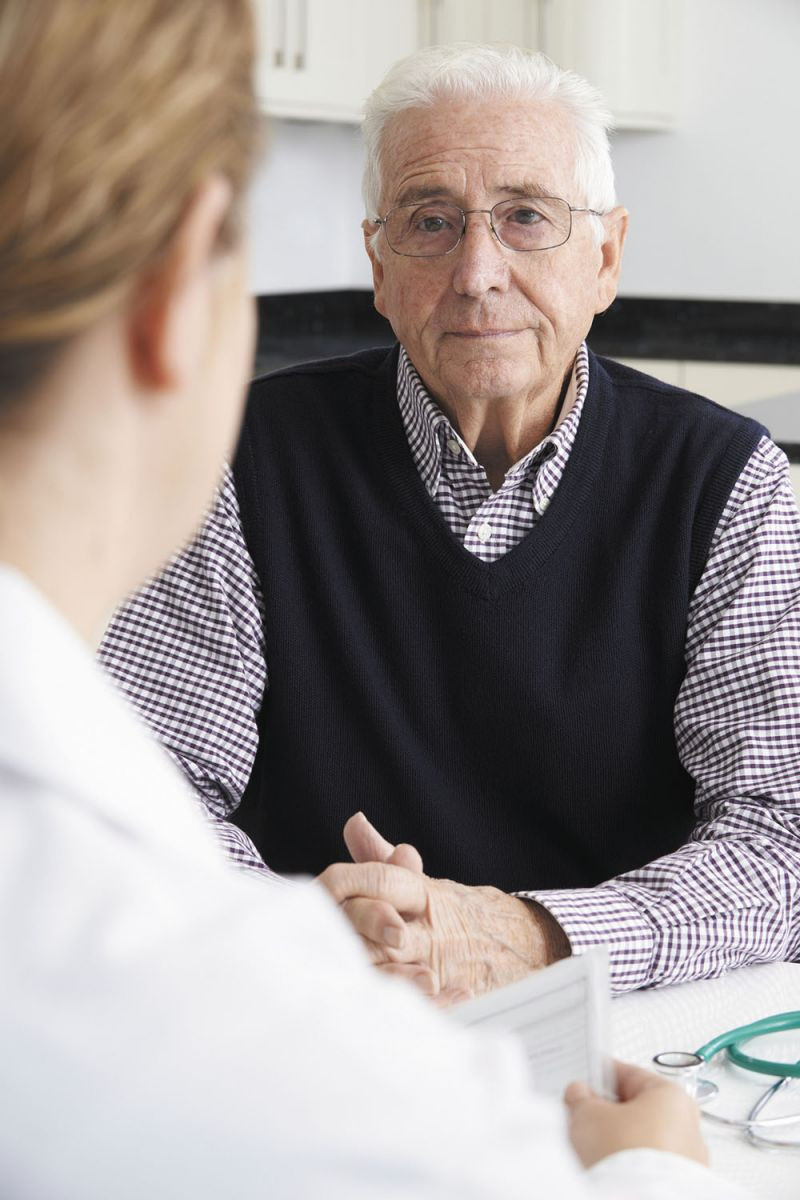
Dealing with a cancer diagnosis
Sometimes the emotional part of cancer is the toughest test.
Any kind of cancer diagnosis is life-changing. There suddenly are many decisions to make about treatments, possible surgery, and recovery. It can be a lot to deal with. But one part of the cancer process that often gets pushed aside is the psychological aspect — how do you manage the many emotions that come with it?
"The natural response to hearing 'cancer' is to feel a surge of anxiety and negative thoughts like 'I'm going to die,'" says Dr. John Peteet, head of the psychosocial oncology fellowship at the Harvard-affiliated Dana-Farber Cancer Institute. "Yet many men are reluctant to admit this and keep their feelings inside, so it's tough to know when they need help with this part of a cancer diagnosis."

The health benefits of writing your life story
Engaging your brain to write your memoirs can leave a recorded history for your descendants as it helps improve your cognitive fitness.
Image: © nzphotonz/Getty Images
As we grow older, there may be a tendency to feel less relevant to the people around us. We tend to withdraw as a result, and this isolation can lead to a greater risk of depression.
But here's an idea that will help you stay in the game as it helps your family better understand their own history. It's simple: write your life story.

Brain training may help with mild cognitive impairment
In the journals
So far, research has been mixed on whether brain training programs can improve or slow memory decline. Yet a new study published online Jan. 4, 2018, by the Journal of the American Geriatrics Society found that brain training may help people with mild cognitive impairment (MCI), the stage between normal brain aging and dementia.
Researchers recruited 145 adults, average age 72, who were diagnosed with MCI. They were split into three groups. Those in one group did two hours of brain training every week for two months. The training focused on improving memory by learning new strategies to better encode information. For example, they remembered errands by associating tasks with specific locations in their home, a process called method of loci. They also practiced how to better control their attention.

Drinking excessively could raise risk of early-onset dementia
Research we're watching
Drinking too much alcohol could raise the risk of developing early-onset dementia, says a study published online Feb. 20, 2018, by The Lancet Public Health.
Researchers studied the records of more than 31 million people discharged from French hospitals between 2008 and 2013 to identify 57,353 cases of early-onset dementia. Researchers defined "early onset," as cases occurring in people under age 65. They found that most diagnoses of early-onset dementia either were defined as alcohol-related (38.9%) or occurred in a person who had an alcohol use disorder (17.6%).
Study authors said that the findings show that alcohol use disorders are a major risk factor for dementia, and screening individuals for heavy drinking should be a priority for health care practitioners.


5 ways to keep your memory sharp
The way you live, what you eat and drink, and how you treat your body can affect your memory just as much as your physical health and well-being. Here are five things you can do every day to keep both your mind and body sharp.
1. Manage your stress. The constant drumbeat of daily stresses such as deadline pressures or petty arguments can certainly distract you and affect your ability to focus and recall. But the bigger problem is an ongoing sense of anxiety — that can lead to memory impairment. If you don't have a strategy in place for managing your stress, protecting your memory is one reason to get one. Deep breathing, meditation, yoga, and a "mindful" approach to living can all help.
Light exposure at night may raise risk for heart disease
Whole grains may improve several heart risk factors at once
A lumbar belt may help ease low back pain
Children of centenarians may stay healthier and live longer too, study finds
Signs of pneumonia: Sometimes vague and unexpected
The surprising link between ovarian cancer and the fallopian tubes
Using a vibration plate: What it can — and can't — do for your body
People who walk more or walk faster live longer, study finds
For sleep apnea, a dental device may be as effective as CPAP
Rosacea treatments: What works?
Free Healthbeat Signup
Get the latest in health news delivered to your inbox!
Sign Up
