

Light exposure at night may raise risk for heart disease

Whole grains may improve several heart risk factors at once

A lumbar belt may help ease low back pain

Children of centenarians may stay healthier and live longer too, study finds

Signs of pneumonia: Sometimes vague and unexpected

The surprising link between ovarian cancer and the fallopian tubes

Using a vibration plate: What it can — and can't — do for your body

People who walk more or walk faster live longer, study finds

For sleep apnea, a dental device may be as effective as CPAP

Rosacea treatments: What works?
Addiction Archive
Articles

6 keys to finding a high-quality addiction treatment center

Adolescence: A high-risk time for substance use disorders
The prefrontal cortex does not fully develop until the mid-20s, which makes teenagers’ brains excellent at learning and absorbing new information, but it also makes them vulnerable to experimentation and the potential for substance use disorders.

Challenge your mind, no matter what your age
News briefs
Image: © Stockbyte/Getty Images
An observational study published online May 30, 2018, by JAMA Psychiatry found that engaging in intellectually stimulating activities, even later in life, may lower the odds of dementia. Researchers followed over 15,000 Chinese men and women in their 70s for seven years with annual assessments of health and lifestyle habits, including a variety of leisure activities. The odds of being diagnosed with dementia during the study period were 29% lower in people who challenged their brains daily with such activities as playing board games, reading, and even betting on horse racing. In contrast, less mentally demanding recreational activities (like watching TV or shopping) or social activities (like going to tea with friends) did not appear to be associated with a lower risk of dementia. Other studies have found similar evidence, but this one made a special effort to adjust for factors like better overall health that might otherwise account for the association between brain exercise and dementia.
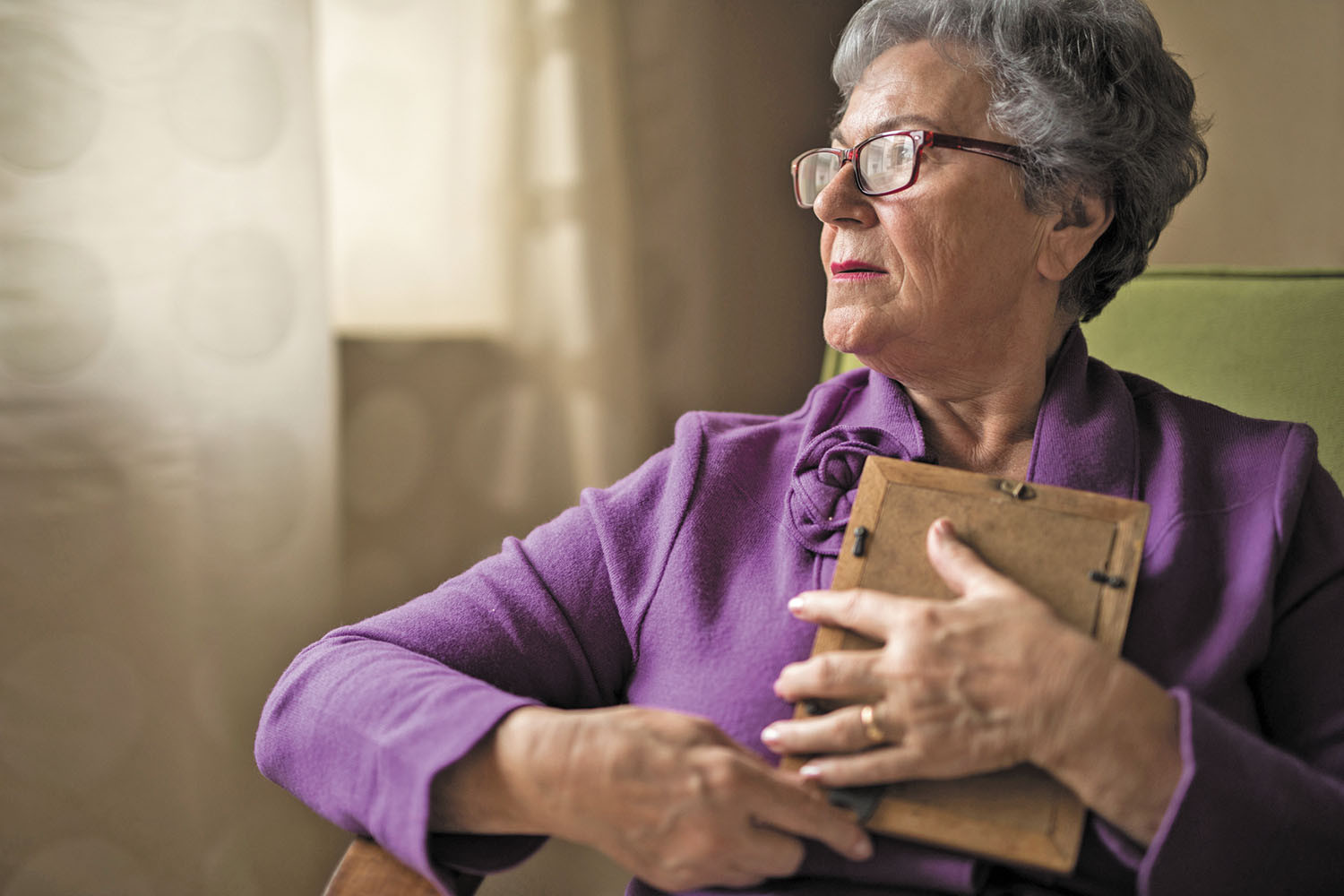
Does loneliness play a role in cardiovascular problems?
Staying connected to friends, neighbors, and your community may protect your heart.
Image: © StockPlanets/Getty Images
The lonely hearts club may be larger than you realize. About a third of older adults say they frequently feel lonely, according to findings from the National Social Life, Health, and Aging Project. And only about half of Americans have meaningful in-person social interactions on a daily basis, such as having an extended conversation with a friend or spending time with family members, suggests a recent survey by the global health service company Cigna.
People whose main social contacts were at their place of work often feel that loss acutely after they retire. Many older adults are also at risk for isolation and loneliness because they're divorced or have lost a partner. But a lack of caring companionship (including from family, friends, or a romantic partner) may make you more vulnerable to a number of health woes. In fact, several studies suggest that isolated and lonely people face a slightly higher risk of heart attack or stroke than people with stronger social networks.

Anticholinergic drugs linked with dementia
In the journals
Anticholinergic medications used to treat bladder conditions, Parkinson's disease, and depression are associated with an increased risk of dementia, according to a large study published online April 25, 2018, by The BMJ. Anticholinergic drugs help to contract and relax muscles. They work by blocking acetylcholine, a substance that also transmits messages in the nervous system. In the study, researchers compared the medical records of 40,770 people older than 65 who were diagnosed with dementia and 283,933 seniors without.
They found that people diagnosed with dementia were up to 30% more likely to have been prescribed anticholinergic medications for Parkinson's, bladder problems, or depression. Frequently prescribed anticholinergic drugs include procyclidine (Kemadrin) for Parkinson's; tolterodine, oxybutynin, and solifenacin (Vesicare) for urological conditions like overactive bladder or incontinence; and amitriptyline, dosulepin, and paroxetine for depression. However, there was no association between dementia and anticholinergic drugs used to treat other common conditions like hay fever, travel sickness, and stomach cramps.

Lifting weights might lift your mood
In the journals
Aerobic exercise has been linked with reducing symptoms of depression, but resistance training, such as weight lifting and bodyweight exercises like push-ups, can have the same effect.
A meta-analysis published in the June 2018 JAMA Psychiatry examined the effects of resistance training on depression symptoms in 33 clinical trials involving 1,877 people. The researchers found that people who did this type of exercise reported a significant reduction in such symptoms as low mood, loss of interest in activities, and feelings of worthlessness, compared with those who did not exercise.
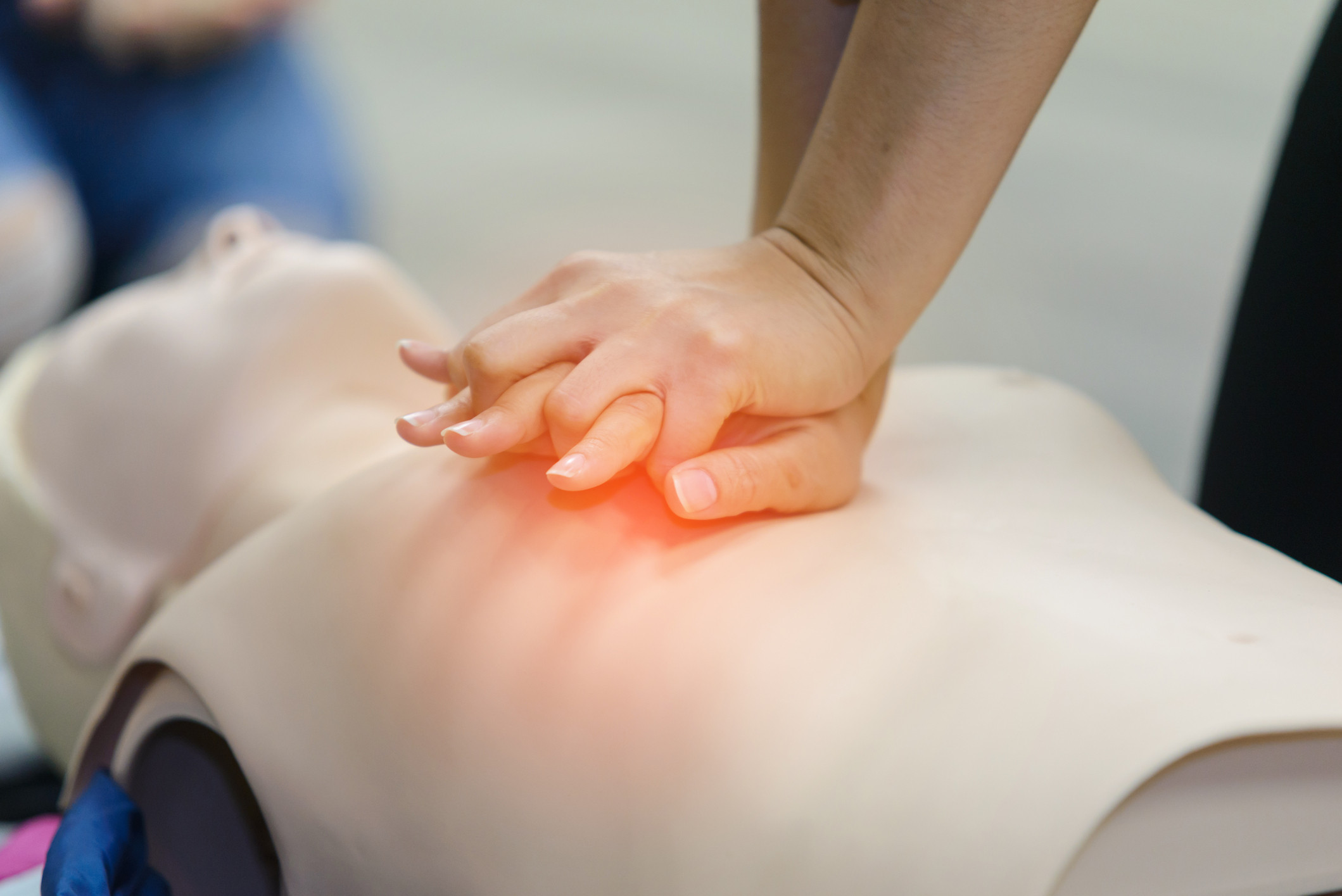

Holding on to stress could affect health
Research we're watching
If you're able to quickly shrug off stressful events, that may be good for your health. A study in the March 19 issue of Psychological Science found that people who held on to stress—those who reported still having negative feelings about a stressful event the day after it happened — had more chronic health problems a decade later.
Researchers analyzed data from a nationwide survey that asked more than 1,100 adults about the number and type of stressful experiences they had each day for eight days. These included everything from arguments with others to problems at work, home, or school. Participants rated their emotional reactions to these stressors at the time and afterward.

The new networking
Growing your real-life social network is important for health. Consider these ideas to get started.
Image: © yacobchuk/Getty Images
When we're young, networking can be an important strategy to get ahead in business. Making new acquaintances and building relationships can lead to career opportunities. But later in life, networking takes on new significance: you may need it to stay connected socially. "Your social network shrinks. Your children leave home, you're no longer at work, or you've moved away. And that can lead to isolation and loneliness unless you maintain or rebuild your network," says Dr. Joel Salinas, a neurologist who specializes in behavioral neurology and neuropsychiatry at Harvard-affiliated Massachusetts General Hospital.
Isolation and loneliness
Many studies have linked isolation (being cut off from social contact) with a greater chance of having a heart attack or a stroke. A study published online March 27, 2018, by Heart suggested that isolation was independently associated with a 25% to 32% increased risk of death among people followed for seven years who had already had a heart attack or stroke.
Light exposure at night may raise risk for heart disease
Whole grains may improve several heart risk factors at once
A lumbar belt may help ease low back pain
Children of centenarians may stay healthier and live longer too, study finds
Signs of pneumonia: Sometimes vague and unexpected
The surprising link between ovarian cancer and the fallopian tubes
Using a vibration plate: What it can — and can't — do for your body
People who walk more or walk faster live longer, study finds
For sleep apnea, a dental device may be as effective as CPAP
Rosacea treatments: What works?
Free Healthbeat Signup
Get the latest in health news delivered to your inbox!
Sign Up
