

Light exposure at night may raise risk for heart disease

Whole grains may improve several heart risk factors at once

A lumbar belt may help ease low back pain

Children of centenarians may stay healthier and live longer too, study finds

Signs of pneumonia: Sometimes vague and unexpected

The surprising link between ovarian cancer and the fallopian tubes

Using a vibration plate: What it can — and can't — do for your body

People who walk more or walk faster live longer, study finds

For sleep apnea, a dental device may be as effective as CPAP

Rosacea treatments: What works?
Addiction Archive
Articles

American Heart Association issues statement on cardiovascular side effects from hormonal therapy for prostate cancer

More movement, better memory

Can mindfulness change your brain?

Sleep well — and reduce your risk of dementia and death
Although it has been known for some time that individuals with dementia frequently have poor, fragmented sleep, two new studies suggest that if you don't get enough sleep in midlife, you are at increased risk for dementia later in life.

A rocky childhood could be bad for your heart
Childhood trauma may raise the risk of cardiovascular disease, but making lifestyle changes can help you stay healthy.
Traumatic childhood experiences may have a lasting effect on your heart health.
A review published online Dec. 2, 2020, by JAMA Cardiology found that adults who had multiple adverse childhood experiences (ACEs) — like being neglected; suffering physical, sexual, or emotional abuse; or witnessing violence at home — had double the risk of cardiovascular disease and an early death compared with people who didn't face any ACEs at all.

Put your brain to the challenge
New experiences stimulate pathways that improve memory.
Our brains have the capacity to improve as we age. "The mechanisms in place may slow over time, but the brain's ability to change doesn't wane," says Dr. Alvaro Pascual-Leone, medical director of the Deanna and Sidney Wolk Center for Memory Health at Harvard-affiliated Hebrew SeniorLife.
Just as when you work to strengthen aging muscles, though, you need to put in extra effort to keep the "muscle" inside your head in top condition. Among the best ways to do this is to learn new things that continuously challenge your mind.

Can personality affect heart disease risk?
Negative traits such as anger and insecurity have been linked to heart-related problems. Taking steps to temper these tendencies may help.
Remember the Type A personality? First coined back in the 1950s, the term refers to people who are aggressive, ambitious, competitive, and time-conscious. But the notion that Type As were more likely to have heart attacks than their more laid-back counterparts turned out to be untrue, as numerous studies in the 1980s and 1990s revealed.
But in the early 2000s, another personality type — Type D for distressed — began getting more attention. Type D people are anxious, irritable, and angry; they also tend to feel ill at ease in social situations and are uncomfortable opening up to others. According to a 2018 review in Current Cardiology Reports, having a Type D personality is a risk factor for cardiovascular disease. The lead author, psychologist Johan Denollet, first described Type D and created a test for it (see "Type D personality test").

Do post-lunch naps pump up memory and thinking skills?
News briefs
A little afternoon snooze can help you feel more rested — and it might do you good in other ways, too. A small study from China published online Jan. 25, 2021, by General Psychiatry suggests that afternoon naps (between five minutes and two hours long) may be good for your memory and thinking skills. Researchers put more than 2,200 older adults through a series of health screenings that included blood tests and cognitive assessments, and also asked participants whether and how often they napped. About 1,500 of the participants were nappers. Compared with people who didn't nap, the nappers performed better on cognitive tests, scoring better on location awareness, verbal fluency, and memory. The study was observational, so it can't prove that napping caused the better cognitive test results. Previous studies have shown that afternoon nap benefits decline as age and nap duration increase. Short, frequent naps (less than 30 minutes, four times per week) have been associated with reduced risks for developing Alzheimer's disease. In contrast, people who take long naps (two hours or longer) appear to have worse cognitive function, although it is unclear what is cause and what is effect.
Image: kali9/Getty Images
How isolation affects memory and thinking skills
Consider your social interaction if you've been feeling foggy.
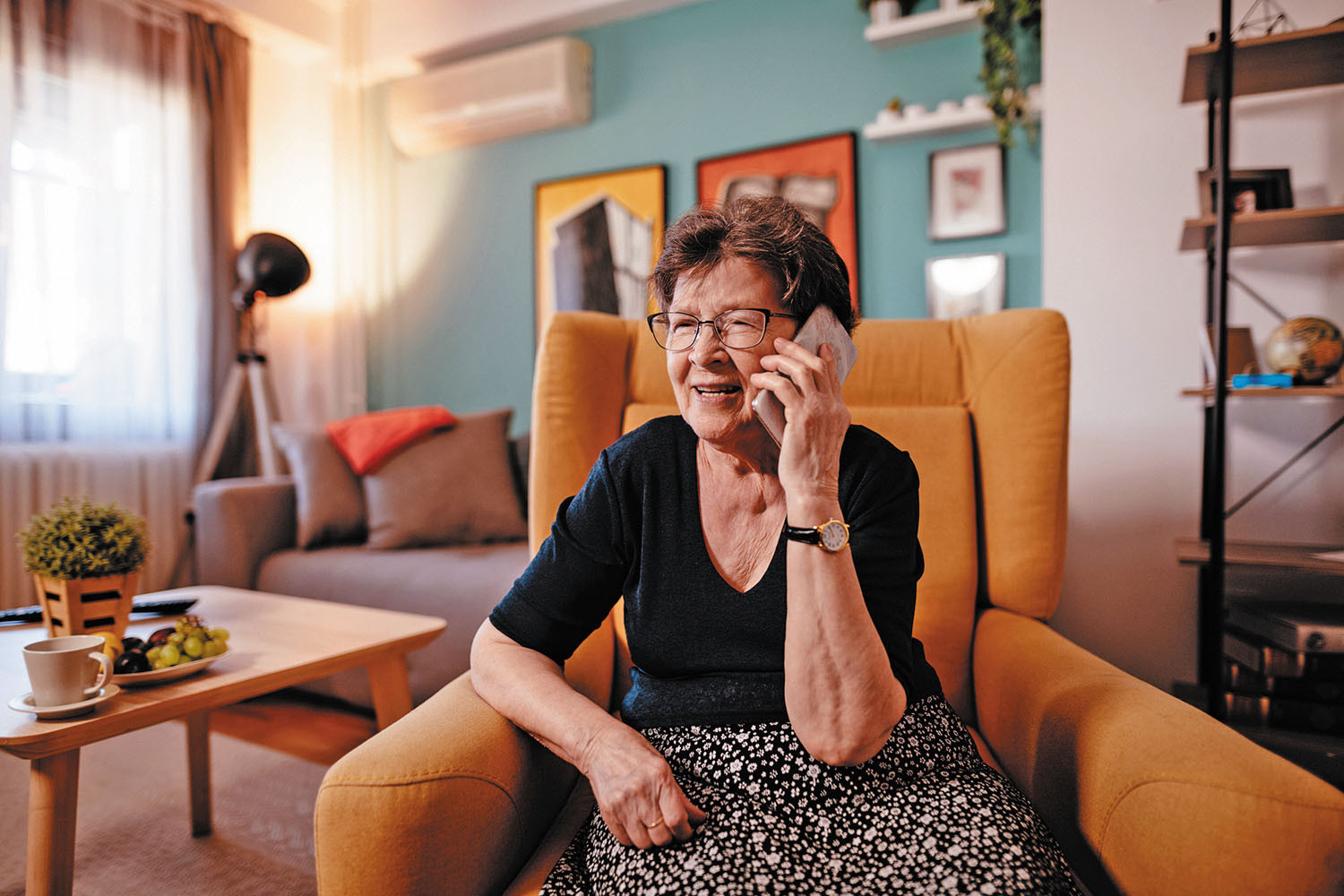
We've all been isolated from many family members and friends during the pandemic. If you've been having a harder time remembering things or processing information since the pandemic began, it could be an isolation side effect.
"It's something I'm seeing clinically. Some people were okay before the pandemic and now they're having faster cognitive decline," says Dr. Joel Salinas, a behavioral neurologist and faculty member of the Harvard Center for Population and Development Studies.

Terrified of needles? That can affect your health
No one likes being stuck by a needle, and it’s not unusual for a person to be afraid of needles. If it’s serious enough, this phobia can affect quality of life and overall health — an especially important concern with vaccination available for COVID-19. But there are ways to cope with the problem.
Light exposure at night may raise risk for heart disease
Whole grains may improve several heart risk factors at once
A lumbar belt may help ease low back pain
Children of centenarians may stay healthier and live longer too, study finds
Signs of pneumonia: Sometimes vague and unexpected
The surprising link between ovarian cancer and the fallopian tubes
Using a vibration plate: What it can — and can't — do for your body
People who walk more or walk faster live longer, study finds
For sleep apnea, a dental device may be as effective as CPAP
Rosacea treatments: What works?
Free Healthbeat Signup
Get the latest in health news delivered to your inbox!
Sign Up
