Men's Health

Managing prostate cancer while you wait-and-see

By , Former Executive Editor, Harvard Men's Health Watch
Print This Page
Men who follow either active surveillance or watchful waiting for their low-risk prostate cancer diagnosis still need to be engaged with their health while monitoring their cancer for changes. Examples include getting more exercise, losing excess weight, following a healthier diet, and managing stress. These changes may not only improve their long-term cancer outcome, but also help reduce other potentially serious health issues like heart attacks and strokes.

To continue reading this article, you must log in.

Source matters. Subscribe to HarvardHealthOnline+ FREE for 30 days for unlimited access to the site – where all content is reviewed by an HMS physician or faculty expert.

With HHO+ you get these exclusive benefits:

  • Unlimited access to all Harvard Health Online content
  • 4 expertly curated newsletters delivered monthly
  • Customized website experience aligned to your health goals
  • In-depth health guides on topics like sleep, exercise, and more
  • Interactive features like videos and quizzes
  • Members-only access to exclusive articles and resources

SPECIAL OFFER! UNLOCK EXPERT ACCESS for 30 days FREE!

Already a member? Login ».

About the Author

photo of Matthew Solan

Matthew Solan, Former Executive Editor, Harvard Men's Health Watch

Matthew Solan is the former executive editor of Harvard Men’s Health Watch. He previously served as executive editor for UCLA Health’s Healthy Years and as a contributor to Duke Medicine’s Health News and Weill Cornell Medical … See Full Bio
View all posts by Matthew Solan
Print This Page

Disclaimer:

As a service to our readers, Harvard Health Publishing provides access to our library of archived content. Please note the date of last review or update on all articles.

No content on this site, regardless of date, should ever be used as a substitute for direct medical advice from your doctor or other qualified clinician.

You might also be interested in…

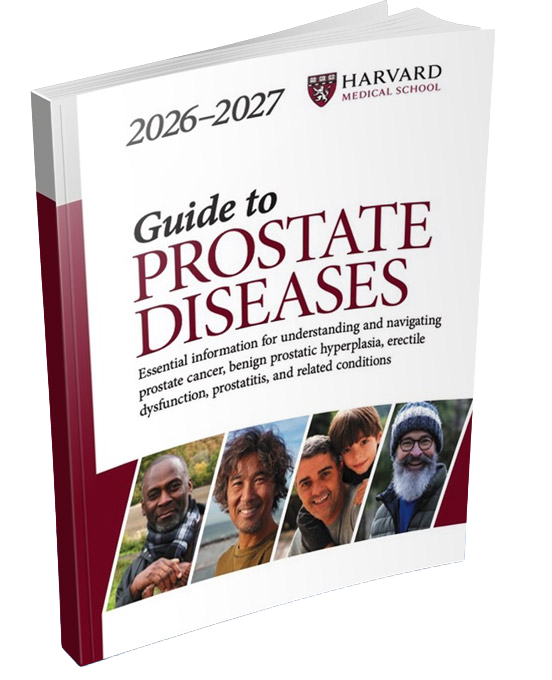
Guide to Prostate Diseases

Most men eventually develop some type of prostate problem, and when they do there are usually no easy solutions. More than a primer on prostate conditions, this Special Health Report, the 2026–2027 Harvard Medical School Guide to Prostate Diseases, includes roundtable discussions with experts at the forefront of prostate research, interviews with men about their treatment decisions, and the latest thinking on complementary therapies. This report will provide you with the information you need to understand the current controversies, avoid common pitfalls, and work with your doctor to make informed choices about your prostate health.

Read More

Free Healthbeat Signup

Get the latest in health news delivered to your inbox!

Sign Up