

Light exposure at night may raise risk for heart disease

Whole grains may improve several heart risk factors at once

A lumbar belt may help ease low back pain

Children of centenarians may stay healthier and live longer too, study finds

Signs of pneumonia: Sometimes vague and unexpected

The surprising link between ovarian cancer and the fallopian tubes

Using a vibration plate: What it can — and can't — do for your body

People who walk more or walk faster live longer, study finds

For sleep apnea, a dental device may be as effective as CPAP

Rosacea treatments: What works?
Stroke Archive
Articles

Taking the air out of bloating
Everyone feels bloated at times after eating. Bloating is a feeling of tightness, fullness, or pressure in the belly that comes along with abdominal swelling and mild to intense pain. Excessive gas buildup from a sluggish digestive system and problems digesting certain foods are the leading causes. While most bloating goes away after a while, for regular occurrences, people should examine their diet for trigger foods and use over-the-counter anti-gas remedies as needed. In cases of frequent or extended bloating, a doctor should see if other problems are present.

Lowering the volume of tinnitus
While there is no cure for tinnitus—the mysterious condition that causes a sound in the head with no external source—many people can manage symptoms and control their reaction by practicing sound therapy, masking, counseling or cognitive behavioral therapy. Sound therapy helps to change your brain's perception of tinnitus so it learns to ignore the noise, while masking works to cover up the sounds with background noise like white noise, ambient sounds, and nature music.
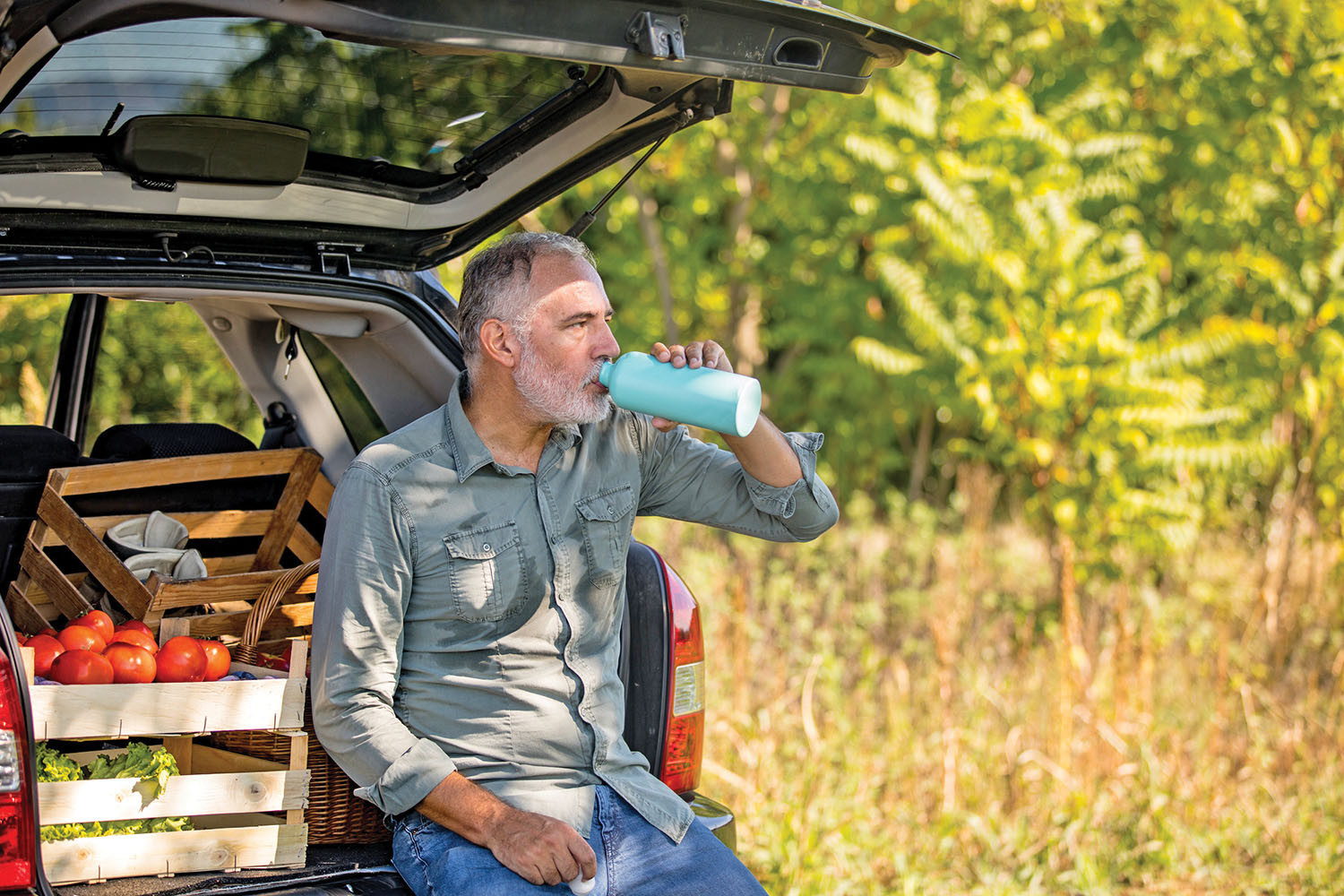
Warning: Older age makes you vulnerable to the summer heat
The ability to function relies on maintaining a core body temperature. In a hot environment, body temperature starts to rise and the body releases heat by sweating or by carrying blood away from the body's core to the skin surface, where heat leaves the body. But those functions wane in older age. As a result, heat can build up, putting organs at risk for severe damage. To avoid such problems, it helps to stay hydrated; avoid going outside during the peak temperatures of the day; stay inside in an air-conditioned environment; and wear lightweight, light-colored clothing in warm weather.

What to do when your kids confront you about your health
When adult children express concerns about their parents' health, it benefits the parents to consider them. It could be that the kids are observing symptoms of conditions best treated early. If parents disagree with their kids' concerns, experts advise that parents simply express appreciation for the feedback and say they'll think about what the kids have said. If the parents want more information, experts advise writing down the concerns and either calling the doctor or bringing the matter up at the next appointment.

Ready, set, hike!
Hiking continues to be one of the safest activities people can enjoy during COVID because it is done outside and away from confined group settings. The outdoor adventure also is one of the best exercises for both body and mind, as it can improve lower-body strength and endurance, increase balancing skills that can protect against falls, lower levels of stress and anxiety, and reduce the risk of depression.

New recommendations for pneumococcal vaccination
In January 2022, the CDC published updated recommendations for vaccinating adults against pneumococcal disease and approved two new pneumococcal conjugate vaccines (PCVs).

Going off antidepressants
People who have been taking antidepressants for some time may wish to stop taking them due to unpleasant side effects. This can be accomplished, but it is best to taper the dosage slowly and be aware of the potential for discontinuation symptoms.

Apple cider vinegar... for heartburn?
There is a lot of anecdotal information about people using apple cider vinegar to treat heartburn, but no published research examining the validity of it.

LATE: A common cause of dementia you've never heard of
LATE is a brain disorder that causes dementia in older individuals. In fact it is the third most common cause of dementia, but it affects many of the same brain regions as Alzheimer's disease so it presents with similar symptoms, and it's only with the advent of special diagnostic tests that clinicians have realized how common it is.

How to break a bad habit
We all have habits we'd like to break, but the brain doesn't make changes easily. Breaking an unhealthy habit can be done; to do so, it helps to understand what's happening in the brain, know why you want to change, and accept that there will be setbacks along the way.
Light exposure at night may raise risk for heart disease
Whole grains may improve several heart risk factors at once
A lumbar belt may help ease low back pain
Children of centenarians may stay healthier and live longer too, study finds
Signs of pneumonia: Sometimes vague and unexpected
The surprising link between ovarian cancer and the fallopian tubes
Using a vibration plate: What it can — and can't — do for your body
People who walk more or walk faster live longer, study finds
For sleep apnea, a dental device may be as effective as CPAP
Rosacea treatments: What works?
Free Healthbeat Signup
Get the latest in health news delivered to your inbox!
Sign Up
