

Light exposure at night may raise risk for heart disease

Whole grains may improve several heart risk factors at once

A lumbar belt may help ease low back pain

Children of centenarians may stay healthier and live longer too, study finds

Signs of pneumonia: Sometimes vague and unexpected

The surprising link between ovarian cancer and the fallopian tubes

Using a vibration plate: What it can — and can't — do for your body

People who walk more or walk faster live longer, study finds

For sleep apnea, a dental device may be as effective as CPAP

Rosacea treatments: What works?
Stroke Archive
Articles

Save the trees, prevent the sneeze
In many places in the United States, spring is starting earlier— which means more pollen and a longer allergy season. Fortunately, there are steps you can take to manage the impact of seasonal allergies and reduce sneezing and itchy eyes.
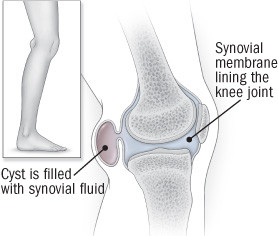
Ask the doctor: How do you treat a Baker's cyst?
I have a Baker's cyst in my right knee. It has been drained twice and recurred. Are there any other treatments for it?

Harvard Health Ad Watch: A blood thinner winner?
Medicines known as blood thinners are prescribed as long-term treatment to avoid initial or recurring blood clots that could cause serious complications. What does an ad in heavy rotation about the brand name blood thinner Eliquis get right and what else do you need to consider?

Close relationships with neighbors influence cardiovascular health in Black adults
A study of Black adults living in the Atlanta area suggests that feeling rooted in community and socializing with neighbors may strongly contribute to better cardiovascular health, which might lower risk for heart attacks and strokes.

Considering a gluten-free diet
People with celiac disease must avoid all foods that contain the protein gluten, found in wheat, barley, rye, and other grains. Those with nonceliac gluten sensitivity can also benefit from a gluten-free diet.

On call: Causes of cold feet
Common causes of cold feet include clogged arteries in the legs (peripheral artery disease), low body fat, Raynaud's syndrome, and nerve damage.

Tips to manage tinnitus
Tinnitus is an internal high-pitched ringing, whooshing, or hissing noise. The condition can make it hard to concentrate, reduce sleep quality, and cause irritability, nervousness, anxiety, depression, or feelings of hopelessness. Methods for easing tinnitus symptoms include treatment of underlying conditions, trigger avoidance, hearing aids, sound masking devices, exercise, stress reduction, and social connection. Certain programs can also help reduce tinnitus symptoms, such as cognitive behavioral therapy, group support, and tinnitus retraining therapy.

Your brain on high blood pressure
High blood pressure not only can raise risk for a heart attack, but also can affect the brain. Keeping blood pressure normal can make brain injury from stroke less likely to happen and perhaps slow the natural decline in cognitive function. Just like with the heart, the best way to protect the brain from high blood pressure is to lower blood pressure if it's high and keep it as close to a normal level as possible.

The big pain of small-fiber neuropathy
People sometimes experience a sudden tingling or numbness in the feet or hands that goes away. But if the problem keeps occurring, followed by painful or burning sensations, this could be a sign of small-fiber neuropathy. While not life-threatening, small-fiber neuropathy should always be checked out, as it could be a symptom of something more serious.

Do allergies make snoring worse?
Allergies that cause nasal congestion, sneezing, and a runny nose (what doctors call allergic rhinitis) can cause more frequent and louder snoring. Treating allergic rhinitis can reduce snoring and other symptoms related to poor-quality sleep.
Light exposure at night may raise risk for heart disease
Whole grains may improve several heart risk factors at once
A lumbar belt may help ease low back pain
Children of centenarians may stay healthier and live longer too, study finds
Signs of pneumonia: Sometimes vague and unexpected
The surprising link between ovarian cancer and the fallopian tubes
Using a vibration plate: What it can — and can't — do for your body
People who walk more or walk faster live longer, study finds
For sleep apnea, a dental device may be as effective as CPAP
Rosacea treatments: What works?
Free Healthbeat Signup
Get the latest in health news delivered to your inbox!
Sign Up
