

Light exposure at night may raise risk for heart disease

Whole grains may improve several heart risk factors at once

A lumbar belt may help ease low back pain

Children of centenarians may stay healthier and live longer too, study finds

Signs of pneumonia: Sometimes vague and unexpected

The surprising link between ovarian cancer and the fallopian tubes

Using a vibration plate: What it can — and can't — do for your body

People who walk more or walk faster live longer, study finds

For sleep apnea, a dental device may be as effective as CPAP

Rosacea treatments: What works?
Stroke Archive
Articles
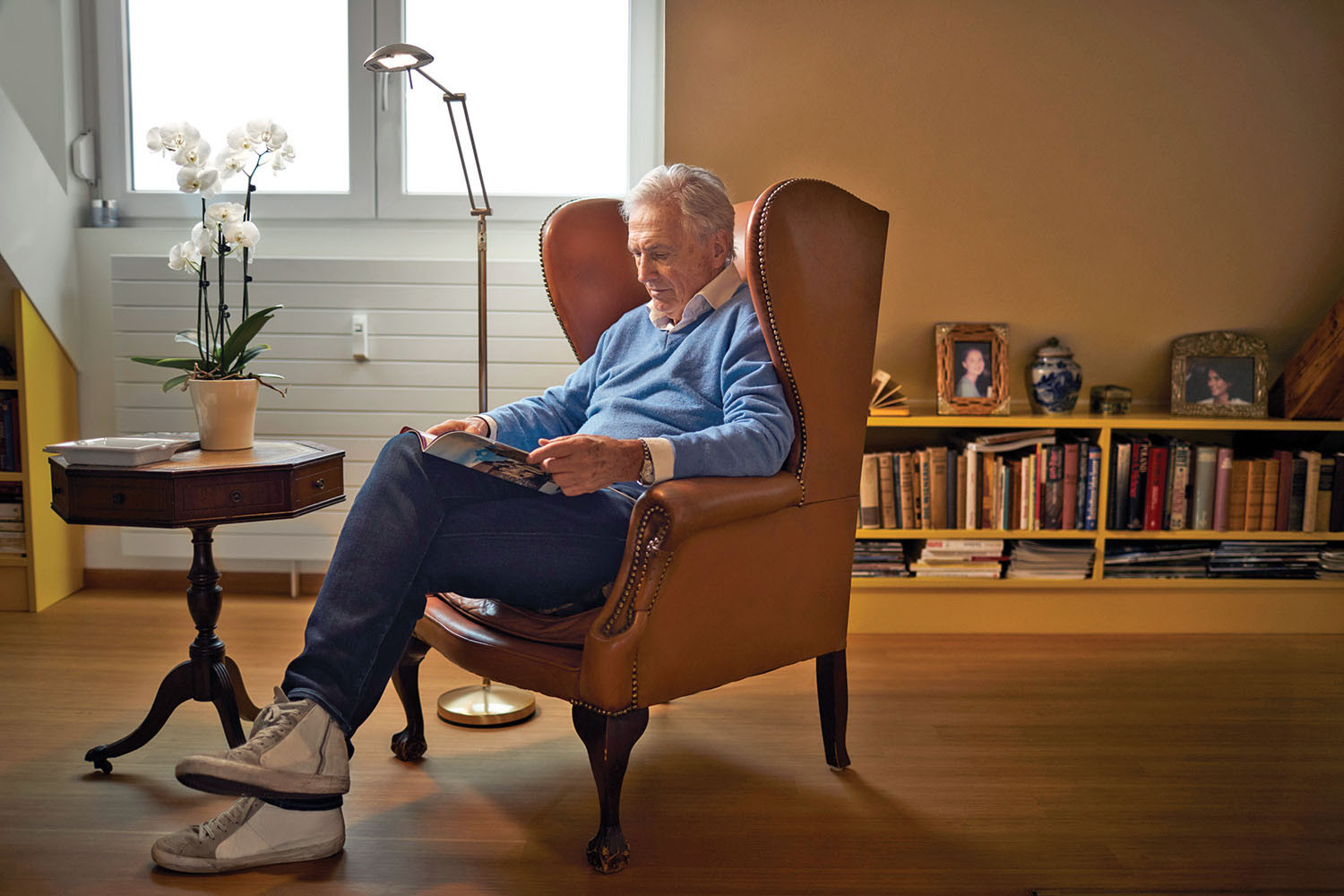
Long periods of sitting tied to higher risk of stroke
Sitting too much can boost stroke risk. But adding more movement—even low-effort activity such as doing household chores—may help lower that risk.

Putting potassium in perspective
Too much or too little potassium can harm the heart. Diet, medications, and kidney function can affect the body's potassium level. Dietary potassium helps keep blood pressure in a normal range, but most Americans don't consume enough of this mineral. However, people taking medications that raise potassium levels—which includes certain drugs to treat high blood pressure and heart failure—should avoid salt substitutes made with potassium chloride.

Beyond hot flashes
Around menopause, a decline in estrogen can trigger low-grade inflammation that leads to unexpected symptoms from head to toe. Symptoms can affect the digestive tract, skin, joints, eyes, ears, and heart, among other areas. A 2022 study found that estrogen loss can even fuel the jaw pain known as temporomandibular disorder. A year or longer can pass before many women connect symptoms with menopause. Women can take lifestyle measures to lower inflammation, such as eating more fruits and vegetables, avoiding processed foods, and exercising.

What to do when a diagnosis is elusive
Medically unexplained symptoms, which are not easily deciphered account for many visits to primary care doctors and specialists. Individuals seeking answers should work with closely with their primary care doctors. Strategies such as cognitive behavioral therapy can help people manage stressors that affect physical health.

You don't say? The scoop on ice cream headaches
A cold-stimulus headaches, or "brain freeze," happens after a person eats or drinks something very cold. It causes a sharp pain that centers on the forehead and usually lasts several seconds. Taking smaller bites and chewing slowly can ward off this reaction.

Getting the most from your remaining years
Following healthy habits like exercising, eating a proper diet, and being socially engaged can help people live a longer, healthier life. Still, the ultimate goal is not simply to live longer, but to enjoy life, which means placing more emphasis on quality of life. How life quality is defined can vary depending on people's goals, but it often revolves around three certain mindsets: having a sense of purpose, focusing on where one wants to devote time and energy, and enjoying the process and journey.

Did my partner get her bladder infection from me?
Men do not have to worry about getting bladder infections from their female partners. Women can get urinary tract infections after sex, but this is a result of irritation at the opening of the urethra, which makes it easier for bacteria to enter.

Tracking viruses: The best clues may be in the sewer
It's hard to accurately predict when new viral outbreaks will appear or old viruses will reappear and how to figure this out quickly enough to respond quickly. Wastewater testing, a tool that can help predict upticks in COVID cases, has also captured evidence of infectious diseases like polio, allowing preventive measures to be taken.

Women more likely than men to show atypical stroke symptoms
A 2022 study found that women are more likely than men to have "generalized" stroke symptoms such as weakness and confusion, in addition to classic signs such as speech or movement problems.

When is a sleep study needed?
Most people with obstructive sleep apnea don't know they have it. An at-home or in-lab sleep study can reveal the condition, which hinders breathing while asleep. A doctor can determine which type of test is best for each patient.
Light exposure at night may raise risk for heart disease
Whole grains may improve several heart risk factors at once
A lumbar belt may help ease low back pain
Children of centenarians may stay healthier and live longer too, study finds
Signs of pneumonia: Sometimes vague and unexpected
The surprising link between ovarian cancer and the fallopian tubes
Using a vibration plate: What it can — and can't — do for your body
People who walk more or walk faster live longer, study finds
For sleep apnea, a dental device may be as effective as CPAP
Rosacea treatments: What works?
Free Healthbeat Signup
Get the latest in health news delivered to your inbox!
Sign Up
