

Healing after food poisoning

What is tempeh? Benefits, nutrition, and how to use it

Light exposure at night may raise risk for heart disease

Whole grains may improve several heart risk factors at once

A lumbar belt may help ease low back pain

Children of centenarians may stay healthier and live longer too, study finds

Signs of pneumonia: Sometimes vague and unexpected

The surprising link between ovarian cancer and the fallopian tubes

Using a vibration plate: What it can — and can't — do for your body

People who walk more or walk faster live longer, study finds
Stress Archive
Articles

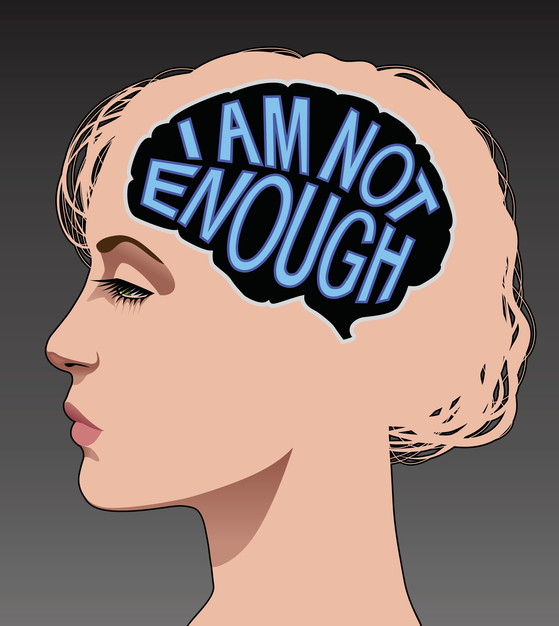

Trauma-informed care: What it is, and why it's important
Because medical exams are invasive, and because many people have experienced some form of trauma and may be uncomfortable with aspects of the exam, healthcare providers should approach care with consideration for what patients may have experienced.

Stress and the heart: Lessons from the pandemic
Doctors have begun to study the effects of COVID-related stress and anxiety on people. A recent study suggests that stress caused by the pandemic may already be affecting heart health.

Tips for beating anxiety to get a better night’s sleep
Many people with anxiety disorders have trouble sleeping. That's a problem. Too little sleep affects mood, contributing to irritability and sometimes depression. Vital functions occur during different stages of sleep that leave you feeling rested and energized or help you learn and forge memories. Sleep usually improves when an anxiety disorder is treated. Practicing good "sleep hygiene" helps, too. Here are some steps to take:
- Go to bed and wake up at the same time every day, even on weekends.
- Daylight helps set sleep patterns, so try to be outdoors while it's light out for 30 minutes a day.
- Exercise regularly (but not too close to bedtime). An afternoon workout is ideal.
- Keep naps short — less than an hour — and forgo napping after 3 p.m.
- Avoid caffeine (found in coffee, many teas, chocolate, and many soft drinks), which can take up to eight hours to wear off. You may need to avoid caffeine entirely if you have panic attacks; many people who experience panic attacks are extra-sensitive to caffeine.
- Review your medications with a doctor to see if you are taking any stimulants, which are a common culprit in keeping people up at night. Sometimes it's possible to switch medicines.
- Avoid alcohol, large meals, foods that induce heartburn, and drinking a lot of fluid for several hours before bedtime.
- If you smoke, quit. Smoking causes many health problems, including compromising sleep in a variety of ways.
- Keep your bedroom cool, dark, and quiet, without distractions like TV or a computer. Avoid using an electronic device to read in bed; the light from the screen can trick your brain into thinking it is daytime. If your mattress is uncomfortable, replace it.
- Reading, listening to music, or relaxing before bed with a hot bath or deep breathing can help you get to sleep.
- If you don't fall asleep within 20 minutes of turning in (or if you wake up and can't fall back to sleep in 20 minutes), get out of bed and do something relaxing until you feel sleepy.
For additional tips and strategies for living with anxiety, buy Coping with Anxiety and Stress Disorders, a Special Health Report from Harvard Medical School.

When the arrival of menopause brings symptoms of depression
A new study suggests that hormone therapy might help with perimenopausal depression. But is it safe for you?
Hormone therapy has long been a controversial topic, and a new study about the role of hormones in depression is adding some fodder to the debate. A study published in the January 10 issue of JAMA Psychiatry determined that hormone therapy may help ward off symptoms of depression in women. Researchers found that perimenopausal and early postmenopausal women who were treated with hormones were less likely to experience symptoms of depression than women in the study who were given a placebo.
But while the findings of the study are important — particularly considering that a woman's risk of depression doubles or even quadruples during the menopausal transition — that doesn't mean hormone therapy should be widely used for preventing depression in women at this stage of life, says Dr. Hadine Joffe, the Paula A. Johnson Associate Professor of Psychiatry in Women's Health at Harvard Medical School, who wrote an editorial accompanying the study. "It's not a 'never,' but it shouldn't be a standard approach; in general, all of medicine has moved away from using hormones for prevention," she says.

Cultivating joy as a family
The pandemic has been difficult for everyone, but particularly for families. Everyone is feeling so much uncertainty and stress, but one thing we can do is look for ways to create small moments of joy every day. Games, activities, creativity, being outdoors — there are simple, fun ways to be together and make memories.

Why is music good for the brain?
A study conducted by AARP found correlation between a person’s engagement with music and their opinion of their brain health and cognitive ability. While the study did not involve any objective measure of brain health, music has been shown to activate multiple areas of the brain, and keeping brain pathways active helps keep the brain strong in older age.

As family well-being declines, so does children’s behavior
The COVID-19 pandemic is affecting the mental health of people who have not been sick, and parents are being hit particularly hard. A survey of US parents found that these worsening circumstances also affect children’s behavior.

How to cope when a loved one is depressed, suicidal, or manic
The pandemic has caused a surge in depression. If someone you care about is struggling with depression or bipolar disorder, or you have reason to think the person may be suicidal, there are ways you can help — and caring for yourself is important, too.
Healing after food poisoning
What is tempeh? Benefits, nutrition, and how to use it
Light exposure at night may raise risk for heart disease
Whole grains may improve several heart risk factors at once
A lumbar belt may help ease low back pain
Children of centenarians may stay healthier and live longer too, study finds
Signs of pneumonia: Sometimes vague and unexpected
The surprising link between ovarian cancer and the fallopian tubes
Using a vibration plate: What it can — and can't — do for your body
People who walk more or walk faster live longer, study finds
Free Healthbeat Signup
Get the latest in health news delivered to your inbox!
Sign Up
