

Healing after food poisoning

What is tempeh? Benefits, nutrition, and how to use it

Light exposure at night may raise risk for heart disease

Whole grains may improve several heart risk factors at once

A lumbar belt may help ease low back pain

Children of centenarians may stay healthier and live longer too, study finds

Signs of pneumonia: Sometimes vague and unexpected

The surprising link between ovarian cancer and the fallopian tubes

Using a vibration plate: What it can — and can't — do for your body

People who walk more or walk faster live longer, study finds
Stress Archive
Articles

How to avoid a relapse when things seem out of control
This year has been extremely stressful for everyone, and that stress can lead to harmful habits. For those working to stay in recovery from an addiction, the challenge is even more profound. Those in this situation know that the more stressful things are, the more important it is to practice the healthy habits that sustain recovery.
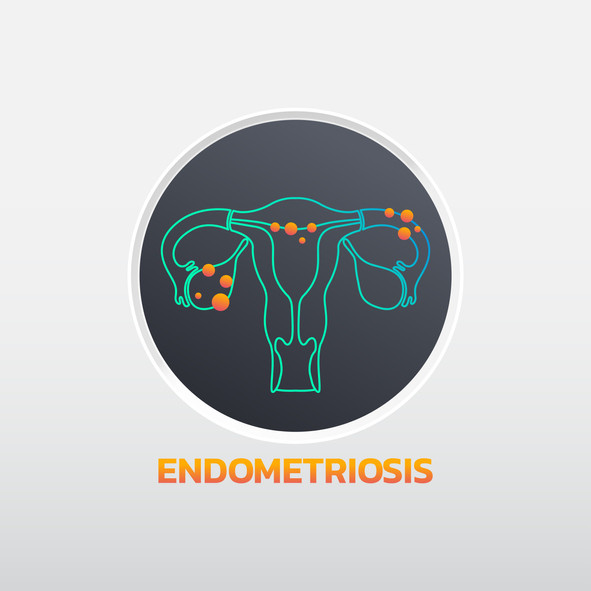
Treating the pain of endometriosis
Endometriosis occurs in women when tissue similar to the lining of the uterus grows in other places in the body, most commonly within the pelvis, causing pain and other symptoms. Many women with this condition are not diagnosed properly until middle age. There are several options for treatment, and it may take time to find what works best for each person.

Blood test could find Alzheimer’s disease before symptoms appear
In the journals
Researchers are close to finding early cancer with a blood test. They may soon do the same with Alzheimer's disease. A new blood test called p-tau217 has shown great promise in diagnosing people with the disease, according to findings published online July 28, 2020, by JAMA.
The test looks for a specific type of tau protein in the blood. In people with Alzheimer's, tau protein in the brain forms tangles. Accumulation of tau protein tangles along with beta-amyloid deposits is thought to play a key role in how the disease develops.

Happy holidays?
Here's how to cope when your usual traditions get uprooted.
The holiday season, like just about everything else this year, probably won't look the same as usual. Whether that means going to smaller gatherings without the usual relatives, quarantining when traveling, or staying home entirely, chances are something will be different this year thanks to the COVID-19 pandemic. For many who look forward to a full table at Thanksgiving or a big party on New Year's Eve, these changes are unwelcome, and frankly a little depressing.
In response, people may experience emotions ranging from guilt to loneliness to a feeling of disconnected sadness, says Dr. Hilary Connery, assistant professor of psychiatry at Harvard Medical School.

Stress-induced brain activity linked to chest pain from heart disease
Research we're watching
Doctors have long known that mental or psychological stress can lead to angina (chest pain or discomfort caused by inadequate blood to the heart). Now, new research reveals a direct correlation between angina and stress-related activity in the brain's frontal lobe. The study included 148 people with coronary artery disease with an average age of 62. All underwent brain and heart imaging tests done in conjunction with mental stress testing, which involved mental arithmetic and public speaking. Imaging tests were also done under "control" conditions, which featured simple counting and recalling a neutral event. Researchers monitored the participants for angina during the tests; they also assessed angina rates again after two years.
Activity in the inferior frontal lobe area of the brain during mental stress was linked to the severity of self-reported angina, both during the brain imaging and at the two-year follow-up. A better understanding of how the brain reacts to stress may be an important consideration for doctors who treat angina, according to the study's lead author. The study was published online Aug. 10, 2020, by the journal Circulation: Cardiovascular Imaging.

Talking to your doctor about an abusive relationship
Intimate partner violence can occur between people of any gender or sexual orientation. Abuse can leave people feeling isolated, confused, or hopeless, and talking to a health professional is one way to get help in the form of medical treatment or access to appropriate services.



Healing after food poisoning
What is tempeh? Benefits, nutrition, and how to use it
Light exposure at night may raise risk for heart disease
Whole grains may improve several heart risk factors at once
A lumbar belt may help ease low back pain
Children of centenarians may stay healthier and live longer too, study finds
Signs of pneumonia: Sometimes vague and unexpected
The surprising link between ovarian cancer and the fallopian tubes
Using a vibration plate: What it can — and can't — do for your body
People who walk more or walk faster live longer, study finds
Free Healthbeat Signup
Get the latest in health news delivered to your inbox!
Sign Up
