

Whole grains may improve several heart risk factors at once

Light exposure at night may raise risk for heart disease

Children of centenarians may stay healthier and live longer too, study finds

A lumbar belt may help ease low back pain

Signs of pneumonia: Sometimes vague and unexpected

Using a vibration plate: What it can — and can't — do for your body

The surprising link between ovarian cancer and the fallopian tubes

People who walk more or walk faster live longer, study finds

Rosacea treatments: What works?
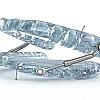
For sleep apnea, a dental device may be as effective as CPAP
Skin Cancer Archive
Articles


New guidelines aim to screen millions more for lung cancer
Lung cancer kills more Americans than any other cancer. The latest guidelines from the American Cancer Society aim to reduce deaths by considerably expanding the pool of people who seek annual, low-dose CT lung screening scans.


Why am I prone to skin tags?
Skin tags are fleshy, soft growths that tend to develop on the neck, under the arms, or around the groin. People who develop many skin tags should see their doctor, since they may be associated with diabetes or metabolic syndrome. Skin tags can be removed using various methods.

Why are my heels cracked?
Cracks in the heels occur when the skin on the bottom of the heel becomes hard and parched. Applying thick moisturizers often helps. If it doesn't, other causes may include athlete's foot, hypothyroidism, Sjogren's syndrome, or bone spurs in the heels.

Quick bursts of activity tied to reduced cancer risks in people who don't exercise
In a 2023 study, people who didn't exercise regularly but accumulated three and a half minutes of vigorous daily activity (such as stair climbing) had a 32% lower risk for developing cancer, compared with non-exercisers who didn't do any vigorous activity.

Veins are a key player in the body: Here's why
Thousands of miles of veins throughout the body bring blood to the lungs to pick up oxygen and nutrients, and get rid of carbon dioxide before returning to the heart to be pumped out again. How do veins work, what problems can occur, and how can you keep these vital blood vessels healthy?

Cellulitis: How long does it take to heal on legs?
Cellulitis, a skin infection that often occurs on the lower leg, develops when bacteria enter the body through a cut, bite, or other wound. A new study shows key aspects of healing typically occur within 10 days of treatment, but symptoms can linger for some time after that.

Why do I have white spots on my nails?
White spots on fingernails are common and have many possible causes. These include minor trauma to the fingers, wearing nail polish for prolonged periods, fungal infections, low iron levels, kidney disease, or liver cirrhosis.

Check out your skin
People should do a full-body skin check-up every three to six months to identify abnormalities that may be early signs of skin cancer or other skin problems. Write down the date of the self-exams, record any issues like new or questionable moles, sores, painful or itchy spots, raised or firm bumps, dark flaky patches, and unusual freckles. Include the exact locations of these skin issues and take photos for reference. After six to eight weeks, see a dermatologist if they have not improved, have changed color or size, have become painful, or easily bleed.
Whole grains may improve several heart risk factors at once
Light exposure at night may raise risk for heart disease
Children of centenarians may stay healthier and live longer too, study finds
A lumbar belt may help ease low back pain
Signs of pneumonia: Sometimes vague and unexpected
Using a vibration plate: What it can — and can't — do for your body
The surprising link between ovarian cancer and the fallopian tubes
People who walk more or walk faster live longer, study finds
Rosacea treatments: What works?
For sleep apnea, a dental device may be as effective as CPAP
Free Healthbeat Signup
Get the latest in health news delivered to your inbox!
Sign Up
